



The Explosive Growth of Fitness Influence
The rise of social media has transformed various industries, and fitness is no exception. With millions following fitness influencers, the allure of becoming one is strong. But does this path compare to that of a personal trainer? Let’s dive deep into this evolving landscape of fitness careers.
Introduction to Your Fitness Career Choices


Pursuing a career in fitness can be a thrilling journey. You get to inspire, coach, and help others achieve their health goals. Today, you have options: you can become a fitness influencer or a personal trainer. Both paths allow for personal and financial growth, but they come with distinct challenges and opportunities. This article compares and contrasts these two roles, guiding you to make an informed decision.
Understanding the Role of a Fitness Influencer
A fitness influencer typically engages a wide audience on social media platforms, where they share workout routines, diet tips, and motivational content. They may partner with brands for sponsorships and promotions, monetizing their platforms effectively.
Nature of Content Creation
As a fitness influencer, your primary job revolves around creating engaging content. This can range from Instagram posts to YouTube videos. Here’s what to consider:
- Visual Appeal: High-quality images or videos are crucial in grabbing attention.
- Authenticity: Followers often value genuine advice over polished perfection.
By producing valuable content, you build trust with your audience, leading to long-term engagement and potential income through partnerships and sponsorships.
Income Potential and Brand Collaboration
The income of a fitness influencer can vary immensely based on their follower count and engagement rates. While micro-influencers can earn from product promotions, those with larger followings can land significant brand deals.
- Sponsored Posts: Brands often pay influencers to promote products.
- Affiliate Marketing: Influencers can earn a commission by promoting fitness products.
Essentially, your earnings as a fitness influencer are directly tied to your online presence, requiring consistent effort in content creation and engaging with your audience.
The Role of a Personal Trainer
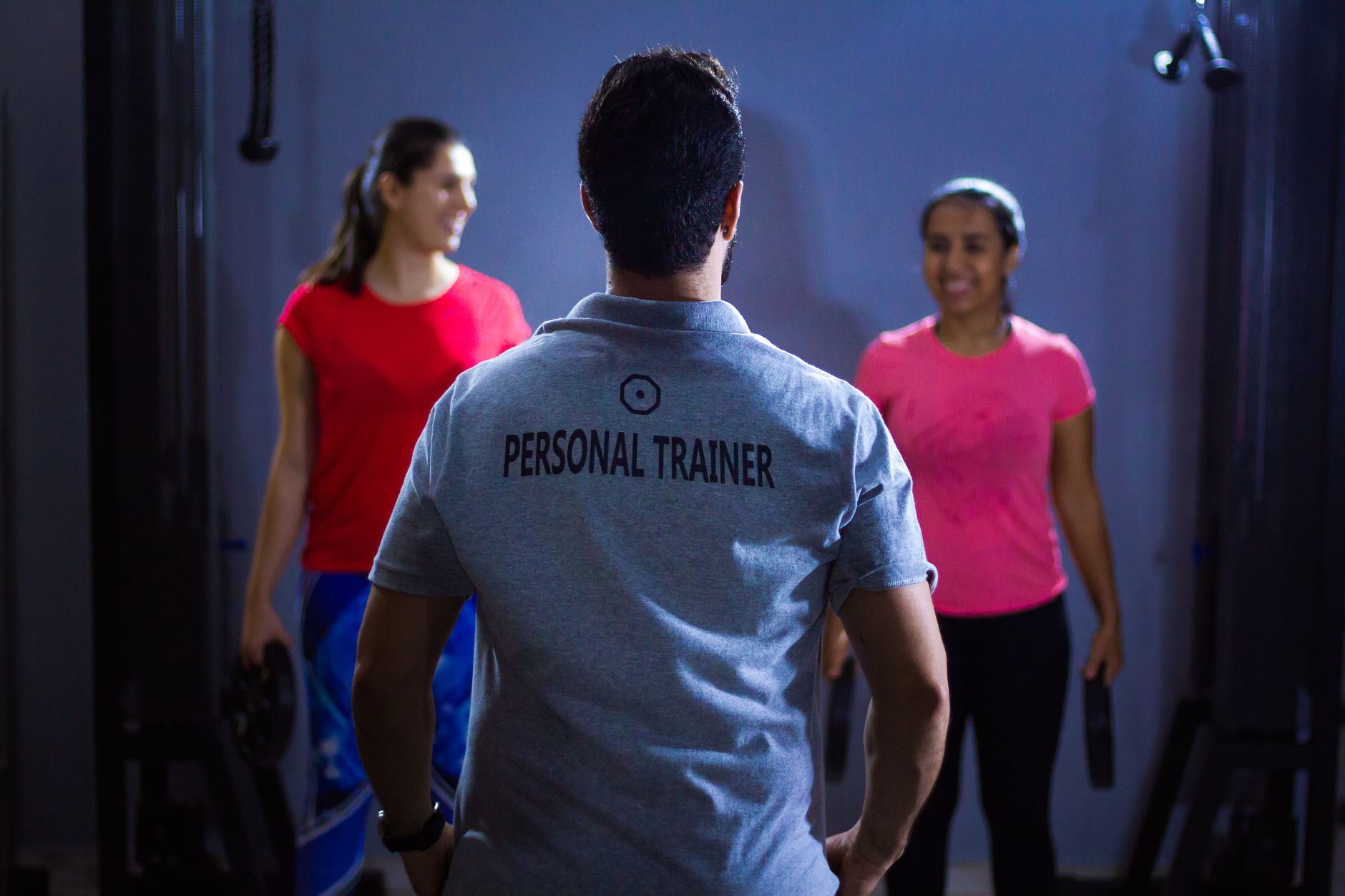
Personal trainers provide individualized support to clients, helping them achieve their fitness goals through tailored workout plans and nutritional advice. This role involves direct interaction, making it fundamentally different from influencer work.
Building Client Relationships
As a personal trainer, your job is to work closely with individuals or small groups. This one-on-one interaction is a cornerstone of successful training programs. You will spend time:
- Assessing Needs: Understanding your clients’ fitness levels and goals.
- Developing Custom Plans: Creating tailored fitness plans to meet those specific needs.
The personal relationship you cultivate with clients often leads to lasting loyalty, which can translate into reliable income through ongoing sessions.
Income and Job Security
While the income of personal trainers can vary, many work in gyms or fitness studios, providing a more structured income than influencers. Typical earnings come from:
- Hourly Rates: Charging clients per session.
- Packages: Offering bundles at discounted rates to encourage sign-ups.
Moreover, personal training can lead to various career paths, including specialized certifications in areas like strength training or nutrition, potentially increasing income further.
Comparative Overview: Personal Trainer vs Influencer

Now that we understand each role, here’s a detailed comparison on various fronts.
Appeal and Passion
Your personal interests play a significant role in deciding which path suits you better. Do you love engaging large audiences, or do you find joy in helping individuals directly? Consider:
- Energy Levels: Influencers often need to keep their content fresh continuously.
- Interpersonal Skills: Trainers must harness strong motivational skills to keep clients committed.
This personal inclination can inform which role aligns best with your lifestyle and strengths.
Work Environment and Flexibility
The work environment varies greatly between these two paths. Influencers often work from home or outdoors, allowing flexibility, while personal trainers may have to adhere to gym schedules.
- Influencer Flexibility: Work can range from home studio shoots to on-location fitness events.
- Trainer Structure: Must often manage a set schedule within gym hours.
Consider what type of working environment would boost your productivity and satisfaction.
The Path to Success: Steps and Certifications
Regardless of your choice, certain steps can set you on the right path. Each route requires dedication and knowledge.
Becoming a Fitness Influencer
If you’re leaning towards becoming a fitness influencer, follow these steps:
- Identify Your Niche: Find a unique angle (e.g., bodybuilding, yoga, nutrition).
- Create High-Quality Content: Invest in quality photography and video equipment.
- Engage Your Audience: Regularly interact with followers to build community.
Staying authentic and transparent helps build trust, crucial for sustainable growth.
Becoming a Personal Trainer
For those opting for personal training, consider the following steps:
- Get Certified: Enroll in programs accredited by reputable organizations (e.g., ACE, NASM).
- Gain Experience: Consider internships or mentorship programs for hands-on learning.
- Continuously Educate: Stay updated on fitness trends and new research.
Continued education not only enhances your skills but also increases your marketability.
Trends Influencing Fitness Careers
The fitness industry is ever-evolving, driven by technology, consumer trends, and societal changes, impacting both fitness influencers and personal trainers.
Technological Impact
From virtual workouts to social media platforms, technology is revolutionizing how trainers and influencers operate.
- Online Coaching: Many trainers are now offering virtual training options. This can expand your client base significantly.
- Content Creation Tools: Fitness influencers have access to numerous tools for creating engaging videos and graphics.
Adapting to these trends can enhance engagement and reach for both paths.
Consumer Preferences
With rising health consciousness, individuals are increasingly looking for personalized solutions, whether it’s through one-on-one training or curated influencer content. Understanding these preferences can guide your approach:
- Community Building: Building a strong community can enhance loyalty.
- Authenticity and Transparency: Both influencers and trainers must remain genuine in their offerings.
Keeping up with consumer trends will give you an advantage in whichever path you choose.
FAQ Section
What education is required to be a personal trainer?
Most personal trainers must obtain a certification from an accredited organization. While a degree in exercise science or a related field is beneficial, it is not always required.
How do fitness influencers make money?
Fitness influencers generate income through brand partnerships, sponsored posts, affiliate marketing, and their own product sales.
Is it possible to be both a personal trainer and a fitness influencer?
Yes! Being both allows you to diversify your income streams while leveraging your expertise to gain credibility and reach a larger audience.
What are the main challenges faced by fitness influencers?
Influencers often battle intense competition, constantly changing algorithms, and the pressure to produce engaging content regularly. Building a loyal audience requires significant effort.
Conclusion
Ultimately, whether you choose to become a fitness influencer or a personal trainer, your success will hinge on your passion, dedication, and unique strengths. Both paths offer opportunities for personal fulfillment and financial success. For those seeking more guidance and resources on embarking on this journey, visit ElitePTS.