



Finding Your Fit: Group Training vs One-on-One
Fitness enthusiasts often face a significant decision when embarking on their wellness journey: Should they opt for the exhilaration and camaraderie of group training, or the personalized attention of one-on-one coaching? Both training modalities come with unique advantages and challenges that can dramatically influence one’s success in reaching fitness goals. In this article, we will explore the nuances of group training versus personal training, helping you identify which method aligns best with your aspirations, preferences, and lifestyle.
Understanding the Basics of Group Training

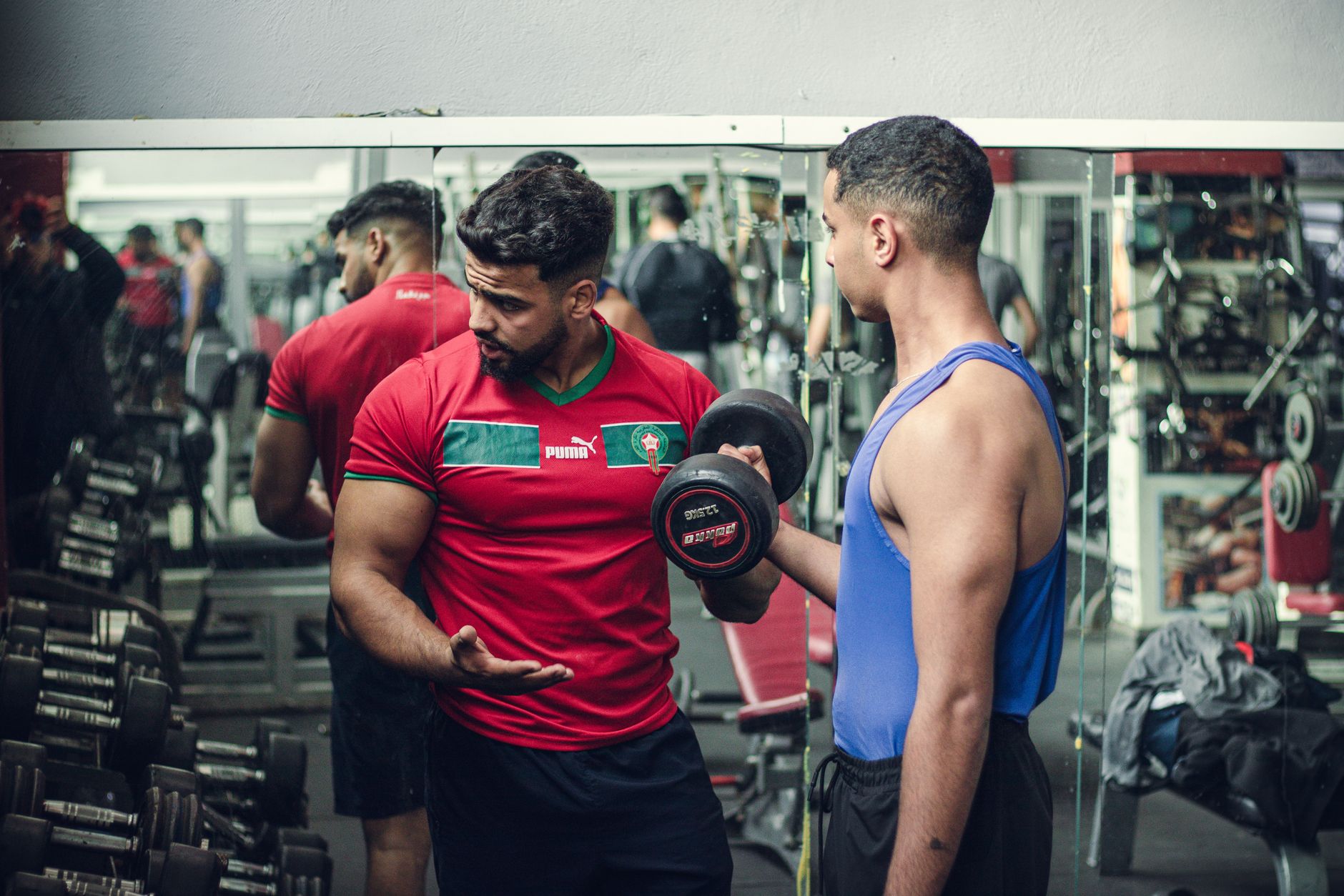
Group training typically involves a class setting where multiple individuals participate simultaneously under the guidance of one or more instructors. This model is designed to foster a collaborative environment and can often lead to increased motivation through community dynamics. By providing a platform for social interaction, participants may find themselves more engaged and committed to their fitness goals.
Benefits of Group Training
- Motivation and Accountability: Training in a group setting can significantly boost motivation levels. The energy of fellow participants helps combat feelings of isolation that can often accompany fitness routines. The shared experience also cultivates accountability, pushing individuals to attend classes regularly.
- Cost-Effectiveness: Generally, group training sessions are more affordable than personal training sessions. This accessibility allows more individuals to participate without breaking the bank, making fitness more inclusive.
- Diverse Workouts and Social Interaction: Group classes often feature varied routines, helping attendees avoid boredom. This diversity keeps things fresh and exciting, while the social aspect can enhance adherence to a fitness routine.
Challenges of Group Training
- Less Individual Attention: One downside to group training is that participants may not receive personalized attention or modifications tailored to their individual needs and abilities. For those with specific goals or limitations, this can lead to suboptimal outcomes.
- Pacing and Variety: The pace of group classes may not suit everyone. Some participants may struggle to keep up or feel unchallenged, which can create disengagement over time.
- Limited Customization: Group programs are generally structured for the average fitness level in the class, meaning those with unique fitness goals may not find the workouts entirely aligned with their needs.
The Essence of One-on-One Coaching
One-on-one coaching offers an individualized experience tailored to personal fitness goals and needs. In this model, a personal trainer provides dedicated attention to a single client, facilitating an environment focused on growth, achievement, and accountability.
Benefits of One-on-One Training
- Customized Workouts: A personal trainer can create tailored programs based on individual fitness assessments, preferences, and goals. This level of customization enhances effectiveness by ensuring every movement serves a specific purpose.
- Focused Attention: With individualized training, clients receive ongoing feedback and guidance on proper form and technique, reducing the risk of injury while maximizing results.
- Accountability and Support: Personal trainers often provide much-needed motivation and encouragement. The dedicated relationship can help clients stay committed and accountable to their fitness journeys.
Challenges of One-on-One Training
- Higher Cost: Individual sessions with personal trainers can be significantly more expensive than group classes, presenting a barrier for some individuals who may wish to pursue a tailored workout plan.
- Potential for Reduced Social Interaction: Training in isolation may not provide the same supportive environment as group classes. For many, the social aspect of fitness is paramount and may lead to disengagement.
- Scheduling Conflicts: Working with a personal trainer necessitates synchronizing schedules, which can be challenging for those with busy lives.
Comparing Training Methods: Effectiveness and Goals
When evaluating group training vs one-on-one coaching, it is essential to consider individual goals and preferences. Below, we explore various fitness objectives and how each training style caters to those aspirations.
Weight Loss
For individuals aiming to lose weight, both group training and personal coaching can be effective, but they offer different approaches:
- Group Training: The motivational environment of group classes can stimulate participation and commitment, driving weight loss through consistent workouts.
- One-on-One Coaching: Personalized coaching can specifically address dietary habits and tailored fitness plans aimed at caloric deficits and metabolic adaptations, potentially leading to more rapid and sustained results.
Strength Training
In strength training, form and technique are paramount:
- Group Training: While some classes incorporate strength training, they may not always focus on correct technique across all participants, necessitating an awareness of one's limitations.
- One-on-One Coaching: Personal trainers can provide real-time corrections and adjustments, ensuring that exercises are performed correctly to maximize gains and prevent injuries.
The Semi-Private Training Model
Semi-private training combines elements from both group training and one-on-one coaching. This model typically accommodates a small group of clients (usually 2-6) working with a trainer. Clients benefit from personalized attention while still enjoying the communal energy of a group setting.
Benefits of Semi-Private Training
- Balanced Personalization and Community: Clients receive tailored workouts with the advantage of social encouragement. This balance can foster accountability and lead to ultimate satisfaction.
- Cost-Effectiveness: Compared to one-on-one coaching, semi-private sessions are often more budget-friendly while still offering a level of customized training.
Challenges of Semi-Private Training
- Varied Fitness Levels: The range of fitness levels within a semi-private setting can complicate workout designs, so it requires thoughtful planning by the trainer.
- Less Individual Focus: While still personalized, the attention may not be as focused as in a full one-on-one session.
Which Model is Best for You?
The ultimate decision between group training and personal training is a personal one, influenced by individual fitness goals, budget constraints, and personal preferences. To help guide your decision:
- Consider Your Goals: Identify what fitness goals you hope to achieve. If you seek profound personalized training, personal coaching might be ideal. Alternatively, for those looking to meet new people and enjoy a sense of community, group training could be beneficial.
- Evaluate Your Budget: Determine what you can afford long-term. If costs are a concern, group training or semi-private setups might be more sustainable.
- Assess Your Learning Style: Some individuals thrive under direct guidance while others may flourish in a collaborative setting.
Popular Group Training Formats
Some important group fitness models include:
- HIIT Classes: High-Intensity Interval Training classes offer intense workouts with minimal rest, ideal for those looking to challenge their endurance.
- Zumba: A fun, energetic dance-based workout that combines fitness with social interaction.
- Boot Camps: These classes usually blend cardio and strength in a high-intensity format, promoting team spirit and camaraderie.
FAQs About Group vs. Personal Training
Is group training suitable for beginners?
Group training can be suitable for beginners, especially if the classes provide different levels or modifications. However, beginners may benefit from some preliminary one-on-one training to build foundational skills and confidence.
How do I know if I need a personal trainer?
If you have specific fitness goals, prior injuries, or need extra motivation, working with a personal trainer can provide substantial benefits. They can help tailor a program specifically to your needs and abilities.
Can I switch between group training and personal training?
Absolutely! Many individuals find success and enjoyment in a mixed approach, leveraging the benefits of both methodologies as their goals, interests, or circumstances evolve.
What qualifications should I look for in a personal trainer?
Look for certified trainers with recognized qualifications in exercise science or related fields, as well as specific certifications in personal training. Experience, as well as the trainer’s specialties, should align with your personal fitness goals.
Conclusion
In the end, whether you opt for group training or one-on-one coaching depends on your unique needs, preferences, and goals. Assess the various factors at play, and remember that the best training program is one that keeps you engaged, motivated, and committed to your fitness journey. Whichever option you choose, the most important step is to start moving towards your fitness goals today!