



Introduction
When it comes to weight loss, the battle between HIIT cardio and steady state cardio is as fierce as ever. Both methods have their proponents and vehement defenders, each claiming supremacy in the quest for fat loss. The debate raises an essential question: Which strategy is more effective at burning fat? In this article, we’ll explore the science behind both fat loss workouts, allowing you to make an informed decision suitable for your fitness goals.
What is HIIT?

High-Intensity Interval Training (HIIT) is an exercise strategy that alternates between intense bursts of activity and short recovery periods. Typically, a HIIT workout could last anywhere from 10 to 30 minutes. But what makes it special are its accompanying benefits that extend beyond just burning calories.
Benefits of HIIT
HIIT is celebrated for a number of compelling reasons:
- Time-Efficient: Workouts can be completed in less than 30 minutes, making it easier to fit into a busy schedule.
- Afterburn Effect: HIIT promotes excess post-exercise oxygen consumption (EPOC), which significantly increases calorie burn even after the workout.
- Improved Cardiovascular Fitness: Studies show HIIT can elevate VO2 max, enhancing overall endurance.
How HIIT Promotes Fat Loss
The energy demands during HIIT sessions push your body to utilize fat as a primary source of fuel, especially during recovery periods. This metabolic boost means more significant fat burning:
- Hormonal Changes: HIIT can spur the release of fat-burning hormones, such as epinephrine and norepinephrine.
- Time Under Tension: The quick bursts enhance glucose uptake and fat oxidation, fostering a favorable environment for fat loss.
What is Steady State Cardio?

Steady state cardio, on the other hand, involves performing aerobic exercise at a consistent pace over an extended duration. Typical examples include jogging, cycling, or swimming at a moderate intensity for 30-60 minutes.
Benefits of Steady State Cardio
- Lower Injury Risk: The moderate intensity is less likely to lead to injuries compared to high-intensity workouts.
- Cardiovascular Health: Steady-state workouts are excellent for improving heart health and endurance.
- Mental Endurance: Prolonged periods of exercise can cultivate mental resilience and discipline.
How Steady State Cardio Aids Fat Loss
While steady-state cardio may not activate the same post-exercise metabolic boost that HIIT does, it holds its ground for fat burning. With greater clarity:
- Fat Utilization: Longer duration exercise shifts the body’s energy reliance toward fat stores.
- Consistency: Regular steady-state workouts can lead to a cumulative caloric deficit, fostering fat loss over time.
Comparing Caloric Burn: HIIT vs Steady State
Understanding how HIIT stacks against steady state in terms of caloric burn is essential. Studies suggest:
- HIIT burns more calories in a shorter time frame, primarily due to the EPOC effect.
- Steady state may allow for a higher total caloric expenditure during extended sessions.
Research Findings
According to research, HIIT can lead to similar or even greater fat loss when compared to longer duration steady state workouts. Key findings include:
- One study indicated that participants performing HIIT lost more body fat than those doing steady-state cardio.
- Yet, steady-state may lead to longer-lasting, sustainable weight loss if maintained consistently.
The Role of Diet in Cardio Effectiveness
Regardless of the method you choose, caloric intake plays a pivotal role in fat loss. A well-rounded approach involving both cardio and nutrition tends to yield the best results. Studies often emphasize:
- Caloric Deficit: Aim to consume fewer calories than you burn.
- Nutrient Balance: A mix of macronutrients—proteins, fats, and carbohydrates—supports optimal performance and recovery.
Combining HIIT and Steady State Cardio
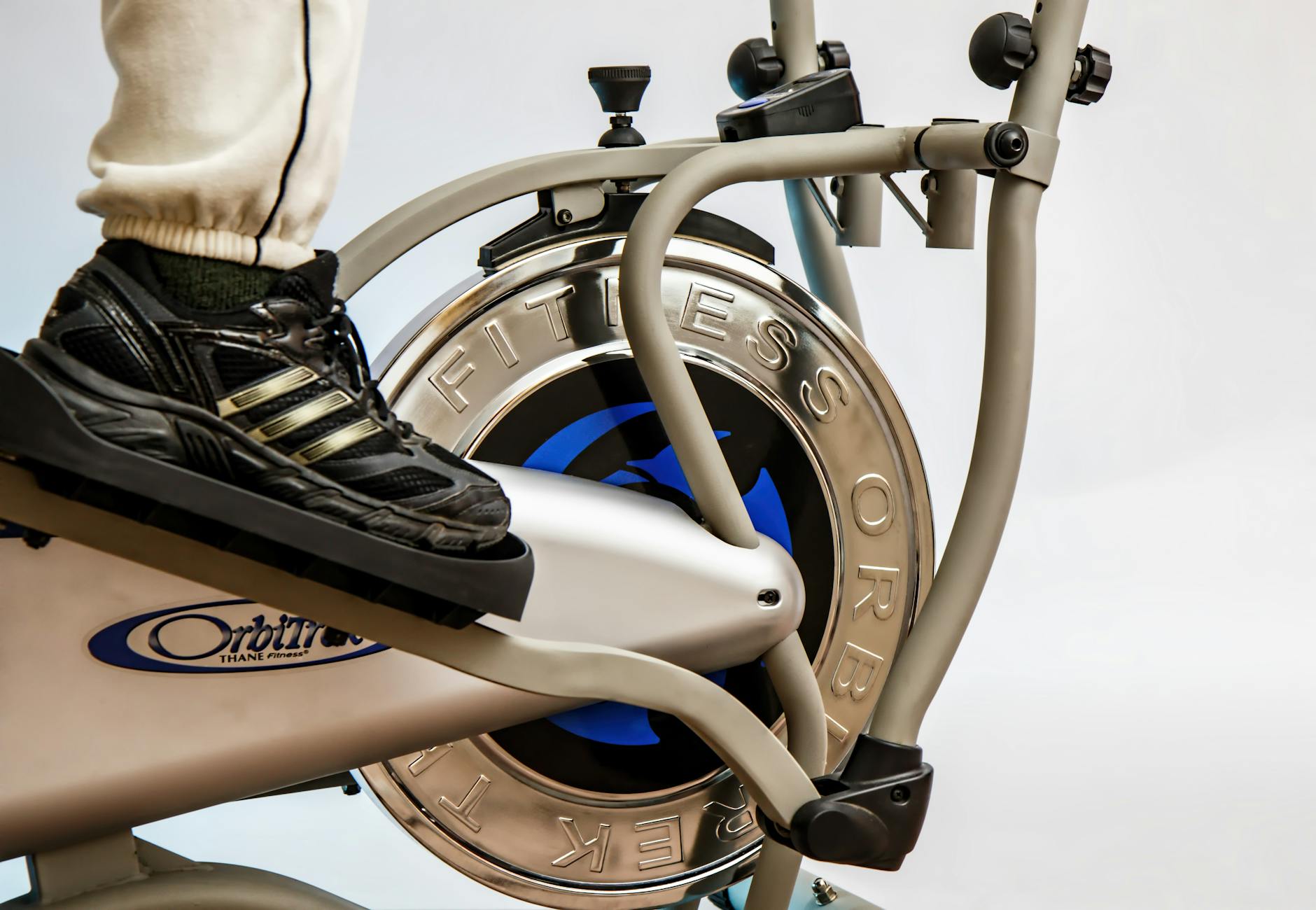
Why choose one when you could effectively combine the strengths of both? Mixing HIIT with steady state cardio can lead to comprehensive conditioning and elevate your fat loss journey.
Sample Workout Structure
A balanced workout structure could look like this:
- Monday: HIIT session targeting major muscle groups
- Wednesday: 45-minute steady state jog
- Friday: HIIT followed by yoga for recovery
Recovery Considerations
While HIIT can provoke quick gains, it is essential to allow recovery time to prevent overtraining. Adequate recovery helps:
- Reduce injury risk
- Optimize performance in subsequent workouts
What Science Says About Fat Loss Workouts
Research has continued to explore the benefits of both HIIT and steady-state cardio, emphasizing their individual advantages:
- Evidence indicates that both can be effective for weight loss, but personal preference should play a significant role.
- HIIT appears more beneficial for those seeking time-efficient workouts.
Barriers to Execution
Both methods present challenges. While HIIT can be taxing and daunting, steady-state could lead to boredom during long sessions. Understanding your barriers will help you:
- Identify workout styles that you enjoy and can stick with
- Foster sustainable fat loss habits
Tailoring Your Approach
It's vital to tailor a workout plan based on your fitness level, fitness goals, and time availability. Whether implementing progressive overload or focusing on skill development, emphasize enjoyment as a crucial element.
Common FAQs
Can you do HIIT every day?
While HIIT is highly effective, it is advisable to limit HIIT workouts to 2-3 times a week to allow adequate recovery.
Which is better for weight loss, HIIT or steady state?
Your choice should depend on your lifestyle, fitness preferences, and goals. HIIT burns more calories in a shorter time frame, while steady state is easier to maintain long-term.
Can I mix HIIT with resistance training?
Absolutely! Combining HIIT with resistance training can amplify caloric burn and improve muscle tone.
Conclusion
Ultimately, choosing between HIIT and steady state cardio depends on your personal preferences, fitness level, and fat loss goals. Both methods can be remarkably effective when tailored to your specific needs. To get started on your journey, consider a personalized workout plan offered by ElitePTS. For further assistance, don’t hesitate to contact us!