



Introduction: The Importance of the Hip Hinge Movement
The hip hinge pattern is often regarded as the foundation of effective athletic movement. From deadlifts to squats, this essential biomechanical movement not only enhances strength but also optimizes performance across various sports. In this article, we'll dive deep into understanding the hip hinge exercise, its mechanics, benefits, and tips for mastering this critical skill.
What is the Hip Hinge Movement?

The hip hinge refers to a movement pattern that focuses on bending at the hips while maintaining a neutral spine. It engages crucial muscles such as the hamstrings, glutes, and lower back, essential for powerful athletic performance.
The Anatomy of the Hip Hinge
- Primary Muscles Involved: Hamstrings, glutes, and lower back (erector spinae).
- Secondary Muscles: Core stability muscles and hip flexors.
- Joint Actions: Flexion and extension at the hip joint while the knees remain relatively straight.
Biomechanics of a Proper Hip Hinge
The biomechanics of a proper hip hinge are crucial for both performance and injury prevention. When executed correctly, it involves:
- Neutral Spine: Keeping the spine aligned throughout the movement.
- Hip Flexion: Bending at the hips while pushing the buttocks back.
- Knee Position: Slight knee flexion while keeping the knees behind the toes.
The Benefits of Mastering the Hip Hinge

Mastering the hip hinge pattern can lead to several key benefits for athletes and fitness enthusiasts alike:
1. Enhanced Athletic Performance
Improving your hip hinge movement can substantially elevate your performance in sports that require explosive movements. It helps in developing strength in critical lifts like deadlifts and Olympic lifts.
2. Injury Prevention
A proper hip hinge promotes spinal stability and reduces the risk of lower back injuries. By training the right muscle groups, you ensure that you're not overstraining any one area.
3. Improved Functional Fitness
The hip hinge movement is not only essential for sport but also for daily activities like lifting heavy objects, enhancing your functional fitness.
How to Execute a Perfect Hip Hinge
To perform the hip hinge exercise effectively, follow these actionable steps:
Step-by-Step Tutorial
- Start Position: Stand tall with your feet shoulder-width apart, soft knees, and arms at your sides.
- Engage Core: Tighten your core muscles to stabilize your spine.
- Hinge at the Hips: Push your hips back while keeping your chest up and spine neutral.
- Maintain Knee Position: Ensure your knees are slightly bent, and they remain behind your toes.
- Return to Start: Reverse the movement by thrusting your hips forward to standing upright.
Common Mistakes to Avoid
Be aware of these common errors when performing the hip hinge pattern:
- Round Shoulders: Ensure your upper back remains straight.
- Too Much Knee Bend: Your knees should not go excessively forward.
- Loss of Core Tension: Keep your core engaged throughout the movement.
Integrating Hip Hinge in Your Training Routine
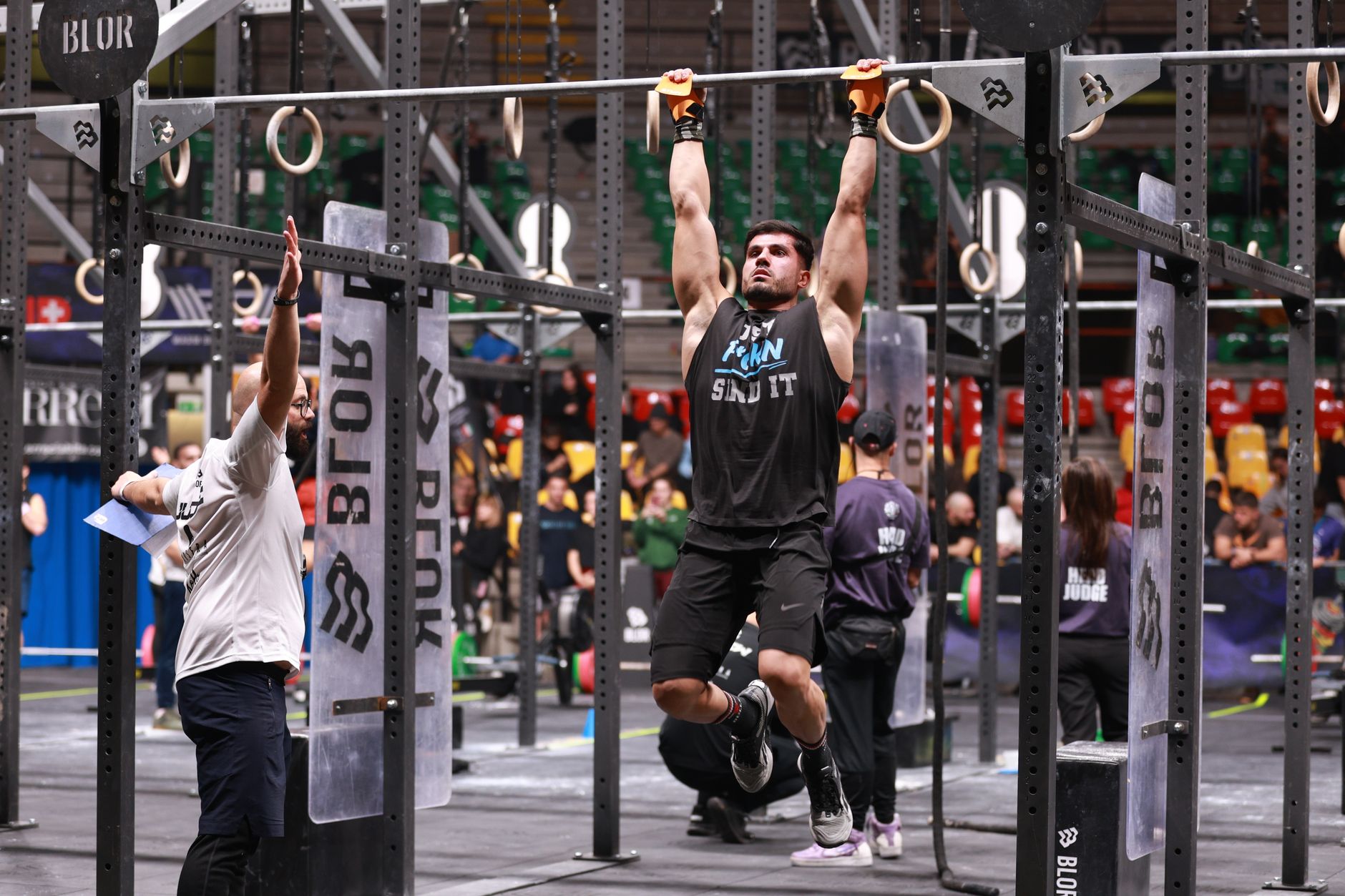
Incorporating hip hinge exercises into your training regimen is vital for building strength and enhancing your athletic capability. But how do you effectively integrate these exercises? Let's explore.
Hip Hinge Variations
- Deadlifts: A classic hip hinge exercise that strengthens the posterior chain.
- Romanian Deadlifts: Focus more on the eccentric loading of the hamstrings.
- Single-Leg Deadlifts: Adds balance and core stability to the hip hinge pattern.
Sample Hip Hinge Workout
Here’s a sample workout to practice your hip hinge:
- 3 sets of 10 Deadlifts
- 3 sets of 10 Romanian Deadlifts
- 3 sets of 10 Single-Leg Deadlifts
FAQs about the Hip Hinge Pattern
Why is the hip hinge movement important for athletes?
The hip hinge is crucial for athletes as it enhances strength, improves power output, and reduces injury risk during explosive movements.
Can the hip hinge pattern help with my squatting technique?
Absolutely! Mastering the hip hinge can enhance your squatting form by improving your hip mobility and strength.
How often should I practice hip hinge exercises?
Incorporate hip hinge exercises into your training at least 1-2 times a week to solidify your technique and build strength.
What equipment do I need to practice hip hinge exercises?
You can practice hip hinges with body weight, kettlebells, dumbbells, or barbells depending on your fitness level.
Conclusion: Elevate Your Athletic Performance with the Hip Hinge
The hip hinge pattern is a vital component of athletic movement that every fitness enthusiast and athlete should master. By understanding its mechanics, practicing regularly, and integrating variations into your training routine, you can unlock your full athletic potential. For personalized guidance and expert training, consider reaching out to ElitePTS and elevate your performance!