



The Importance of the Hip Hinge Pattern
The hip hinge pattern is foundational for athletic movement and strength training. Understanding this movement can unlock new levels of performance while minimizing injury risks. Athletes across various sports can benefit from mastering the hip hinge, leading to improved power, stability, and functionality.
What is the Hip Hinge?
The hip hinge is a movement pattern that primarily involves bending at the hips while keeping the spine neutral. It is essential for activities such as deadlifts, squats, and Olympic lifts.
Why is the Hip Hinge Essential for Athletes?
- Increases posterior chain strength: Proper hip hinge activates muscles like the glutes, hamstrings, and lower back.
- Enhances athletic performance: Key for explosive movements in sports such as sprinting and jumping.
- Improves posture: Regular practice helps maintain spinal alignment during activities.
Breaking Down the Hip Hinge Movement

Understanding how to perform a proper hip hinge is crucial for athletes. Let's break down the mechanics involved.
Key Anatomical Components
The hip hinge hinges primarily at the hip joint while the knees and spine remain stable. This biomechanical efficiency reduces strain and enhances power output.
Muscle Groups Engaged
- Glutes: Major movers in the hinge, providing power and stability.
- Hamstrings: Assist in the movement and also provide stability to the knee.
- Erector Spinae: Maintain spinal alignment throughout the hinge.
How to Perform a Proper Hip Hinge Exercise

Learning the hip hinge movement is critical to ensure safe and effective performance. Follow this tutorial:
Step-by-Step Instructions
- Stand tall with feet hip-width apart.
- Shift your hips back, keeping a slight bend in the knees. Ensure your back remains neutral.
- Push your glutes back until you feel a stretch in the hamstrings.
- Maintain a neutral spine as you return to standing by driving through your heels and squeezing your glutes.
Common Mistakes to Avoid
- Rounding the back: Maintain a natural curve throughout.
- Overextending the knees: Keep a slight bend to preserve tension.
- Letting the weight drift forward: Keep weight centered over the mid-foot.
Incorporating the Hip Hinge in Your Training Routine
Integrating hip hinge exercises into your training routine can enhance muscle activation and improve overall performance.
Effective Hip Hinge Exercises
- Deadlifts: The quintessential hip hinge exercise, targeting the posterior chain.
- Romanian Deadlifts: Focuses on hamstring engagement and strength.
- Kettlebell Swings: Dynamic move emphasizing power generation through the hips.
Structuring Your Training Plan
When incorporating these exercises, consider the following:
- Frequency: Include hip hinge movements 2-3 times per week.
- Volume: Aim for 3-4 sets of 6-12 reps depending on experience.
- Progression: Gradually increase weight or reps to continue developing strength.
Benefits of Mastering the Hip Hinge
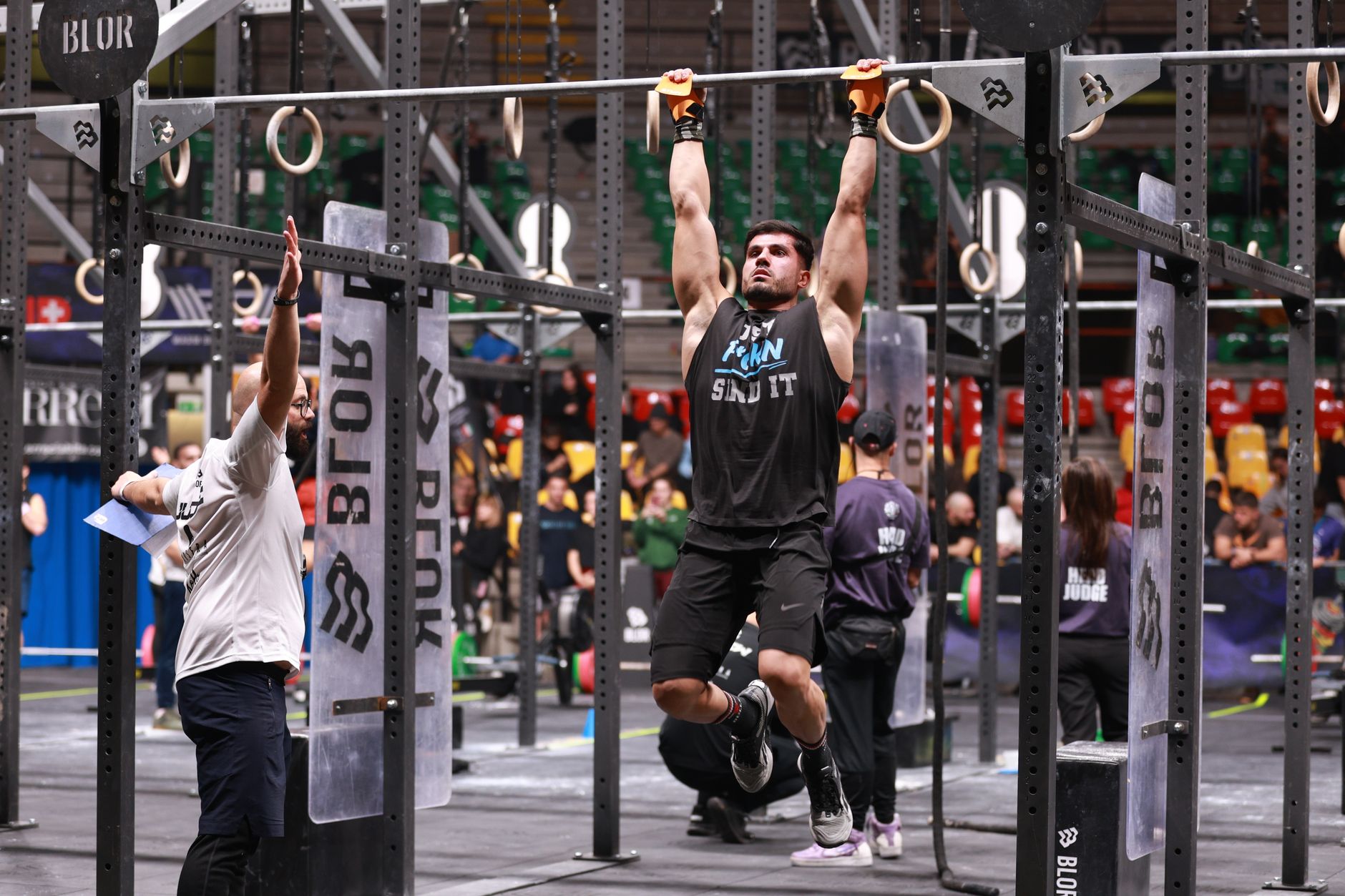
Mastering the hip hinge movement provides numerous benefits to athletes:
Injury Prevention
Strong hip hinge mechanics contribute to lower injury rates in lower back and knee regions by promoting proper movement patterns.
Enhanced Athletic Performance
Strong glutes and hamstrings contribute to improved sprint speed, jumping ability, and overall athletic output.
Hip Hinge FAQ
What is the difference between a hip hinge and a squat?
The hip hinge focuses on bending at the hips with a neutral spine, while a squat involves bending at the knees with a more upright torso position.
Can I incorporate hip hinge exercises if I have lower back pain?
Consult with a healthcare professional before starting any new exercise. A properly executed hip hinge can relieve back pain but must be approached carefully.
Are there variations of the hip hinge for beginners?
Yes, beginners can start with a single-leg deadlift or use a dowel to guide their movement pattern before progressing to heavier weights.
How does the hip hinge relate to the deadlift?
The deadlift is a prime example of the hip hinge movement in action. Mastering the hinge is essential to performing deadlifts safely and effectively.
Conclusion
The hip hinge pattern plays an integral role in athletic performance and injury prevention. By mastering the hip hinge, athletes can improve their strength, power, and overall movement efficiency. At ElitePTS, we're committed to helping you refine your techniques. Join us today to elevate your training and performance!