



Introduction
In the rapidly growing fitness industry, fitness workshop hosting offers a unique opportunity for personal trainers and fitness enthusiasts to expand their reach and share their expertise. With over 80% of Americans considering health a priority, there's never been a better time to organize your own fitness event.
This comprehensive guide will provide actionable advice and scientific insights into how to effectively run a fitness workshop that not only engages attendees but also serves as a solid foundation for building a robust fitness event business.
1. Understanding Your Audience

Before diving into the logistics of planning a fitness workshop, it’s crucial to understand who your audience is. This understanding shapes your content, marketing strategies, and even pricing.
Define Your Target Audience
- Demographics: Consider age, fitness level, and gender.
- Goals: Are they looking for weight loss, strength training, or education?
- Experience: Newcomers or experienced athletes?
Conduct Research
Use surveys or social media polls to gauge interest in specific topics or formats. Understanding your audience’s preferences will guide your content and marketing efforts.
2. Crafting Your Workshop Content
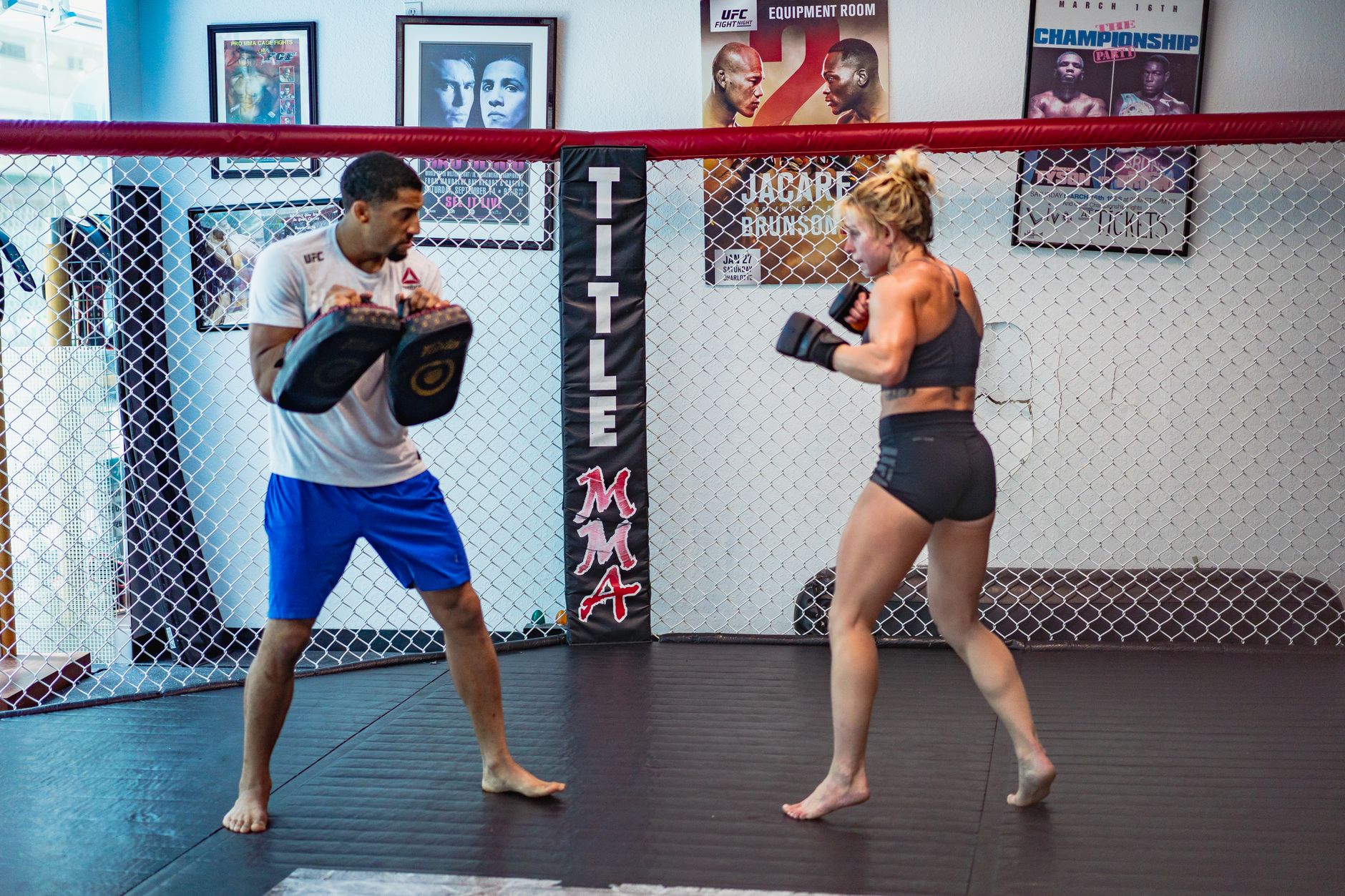
Content is king when it comes to fitness workshops. Your goal should be to deliver valuable, engaging information that resonates with your audience.
Select Specific Topics
Choose topics relevant to your audience. Popular options include:
- Nutrition for athletic performance
- Effective training methodologies
- Mindfulness and mental fitness
Engaging Presentation Techniques
Utilize various formats to present your content:
- Interactive sessions: Foster engagement through Q&A and hands-on activities.
- Visual aids: Employ slides, videos, or demonstrations to maintain interest.
3. Logistics of Running a Fitness Event
Success in fitness event business hinges on strong organizational skills. This section will guide you through essential logistical considerations.
Venue Selection
Choosing the right venue impacts the comfort and engagement of your attendees. Consider factors such as:
- Location accessibility
- Space for different activities
- Available equipment
Date and Time
Analyze your audience's availability. Consider weekends, evenings, or other times when your target demographic is free to attend. This is crucial for maximizing attendance.
4. Promoting Your Workshop

Once your content and logistics are in place, it’s time to get the word out. Well-executed marketing is essential for a successful workshop.
Utilizing Social Media
Leverage platforms such as Instagram, Facebook, and TikTok. Share engaging content related to your workshop, including:
- Behind-the-scenes videos
- Countdowns to the event
- Participant testimonials
Email Campaigns
Create an email list of past attendees and potential participants. Regularly update them with valuable content and workshop details.
5. Tools for Efficient Workshop Management
Utilize technology to ensure seamless execution of your workshop.
Checklist for Pre-Event Preparation
- Registration setup
- Payment processing
- Equipment rental and setup
Utilizing Engagement Tools
During the event, consider using tools like:
- Live polling software
- Feedback forms
6. Following Up after the Workshop
The event doesn't end when participants leave; following up is crucial for long-term success and building relationships.
Feedback Collection
Send out surveys requesting feedback on various aspects of the workshop to improve future events.
Provide Additional Resources
Share supplementary materials that reinforce your workshop content, such as:
- Workout plans
- Nutrition guides
- Access to recorded sessions
FAQs
What should I charge for a fitness workshop?
Pricing varies based on your target audience, content provided, and venue costs. Research local competitors for benchmark pricing.
How long should a fitness workshop last?
Most workshops range between 2 to 4 hours. It's long enough to cover material without overwhelming attendees.
What marketing strategies are most effective for workshops?
Combining social media outreach with email marketing tends to yield the best results. Engaging content and participant testimonials can significantly boost interest.
Can I host workshops online?
Absolutely! Virtual workshops are an excellent way to reach a broader audience. Consider using platforms like Zoom or Google Meet.
Conclusion
Hosting a successful fitness workshop is not only about sharing knowledge but also about building a community and encouraging healthier lifestyles. By following the steps outlined in this guide, you can create impactful experiences that establish your reputation in the fitness industry. Take the first step and start planning your fitness event today with ElitePTS’s support!