


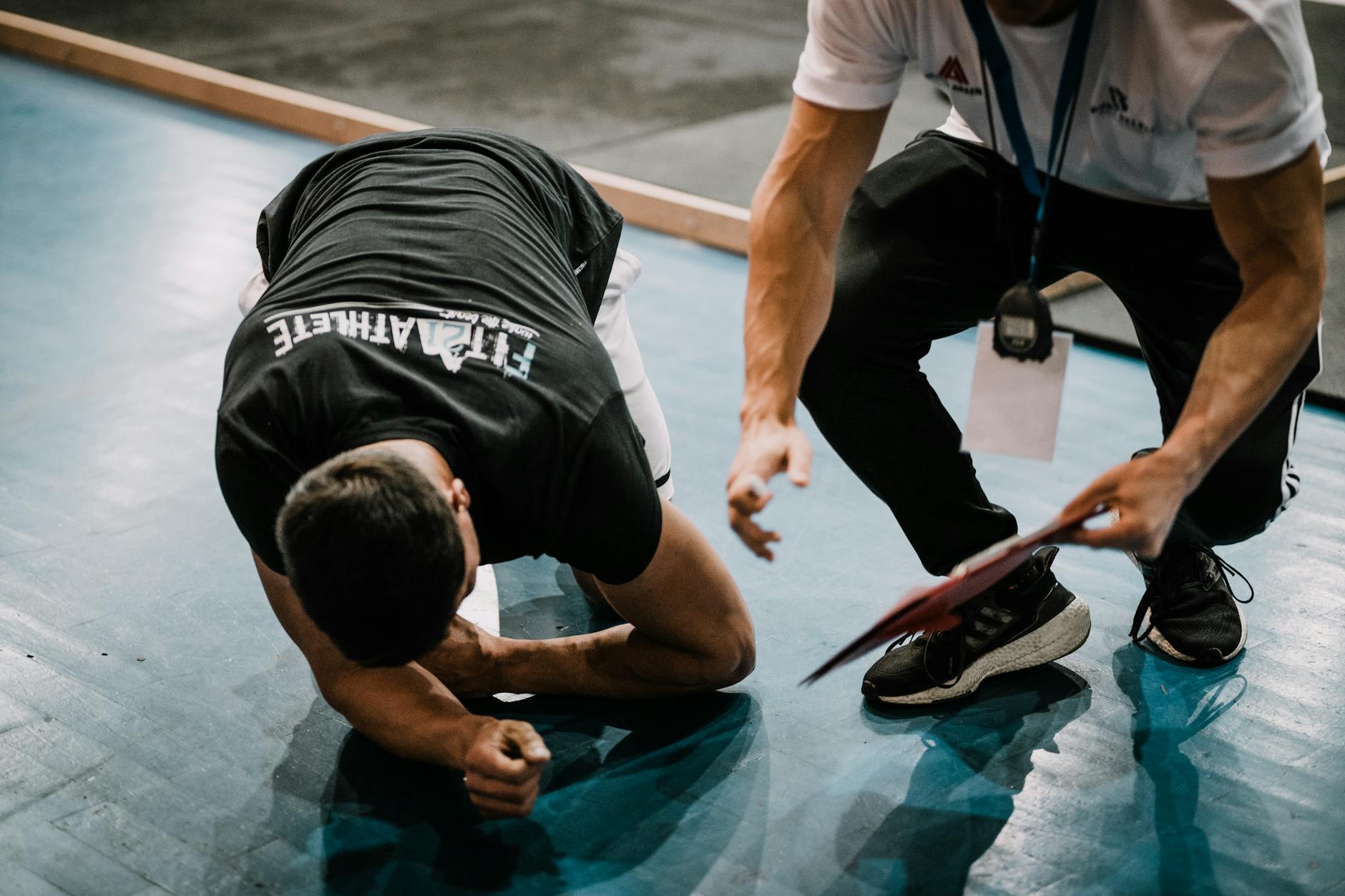
How Elite Trainers Use Video Analysis to Improve Client Form
In video analysis fitness, the frame never lies. What feels stable, neutral, or efficient to a client often looks very different on screen, and elite trainers use that gap between perception and reality to create faster, safer progress.
That is why the best coaches do not rely on memory, guesswork, or louder cueing. They use precise visual feedback, repeatable filming angles, and a simple coaching system that turns a clip into a better rep.
For modern coaches, video analysis fitness is no longer a nice extra; it is a core skill. Whether you train clients in person, online, or in a hybrid model, video helps you slow down movement, compare reps, and spot patterns the naked eye can miss in real time. A quality movement video assessment also improves client buy-in because people can see what you see. Instead of arguing over whether their squat is shifting left or their deadlift is drifting forward, they can review the evidence with you and connect it to a clear correction plan. If you already use a movement screening process, video becomes the bridge between assessment and daily coaching. The goal is not to obsess over perfect biomechanics. The goal is to identify the one or two technique changes that matter most for safety, performance, and confidence, then coach them in a way the client can actually apply.
Why Video Analysis Fitness Improves Coaching Accuracy
Objective feedback beats memory and fast eyes
Even experienced coaches miss details when a set is moving quickly. A side-view deadlift may reveal the bar drifting away from the shins on rep four, while a front-view split squat may show a pelvic shift that was invisible from the floor. Video lets you pause, rewind, and compare working sets instead of relying on a split-second impression.
This matters because technique problems are rarely random. They are patterns tied to load, fatigue, tempo, or setup. A coach who records the first warm-up set and the top work set can see whether the issue was there from the start or appeared only under stress. That difference changes the intervention.
Visual learning increases client awareness
Many clients cannot feel what you are asking them to change until they see it. When you show a client their press with rib flare beside a cleaner rep, self-awareness improves immediately. That is a major advantage of form video analysis: it accelerates error detection instead of keeping the coach as the only source of truth.
Motor-learning research supports this approach. Augmented feedback tends to work best when it is specific, tied to the task, and followed by an immediate reattempt. Studies across rehab and sport settings consistently show that video plus targeted coaching improves movement quality more than vague verbal feedback alone.
Coaching principle: The best video feedback is not more feedback. It is the minimum effective dose that helps the client recognize the error and produce a better next rep.
What to Film in a Movement Video Assessment
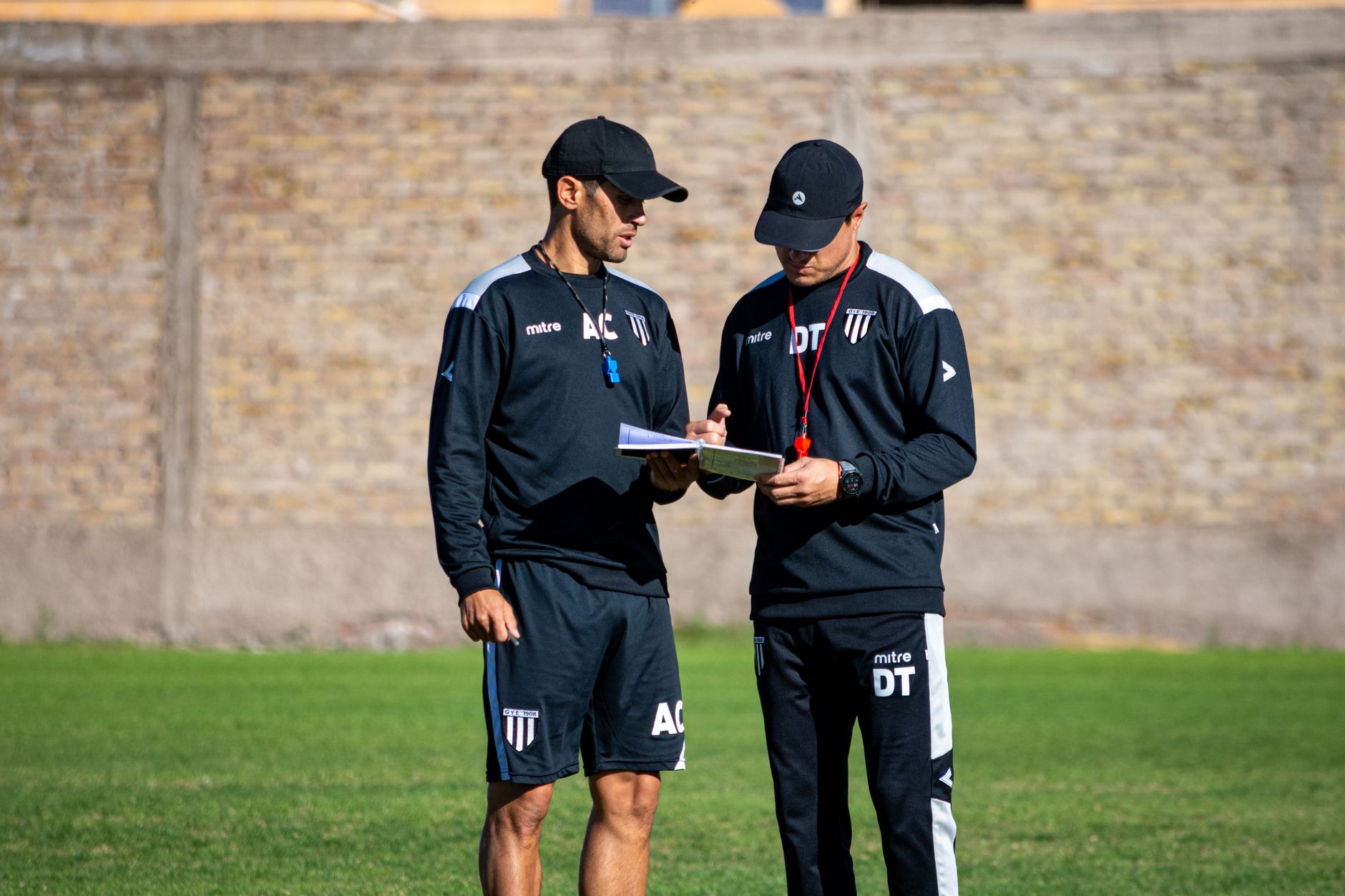
Prioritize the patterns that carry the most coaching value
An effective movement video assessment starts with selection. Film the lifts and patterns that matter most to the client goal, current phase, and injury history. For most general-population clients, that means squat variations, hinges, lunges, horizontal and vertical pushing, rowing, and gait or locomotion patterns when relevant.
Do not record everything. If a client is trying to improve barbell squats, filming four accessory exercises may add noise without producing insight. Start with the movements where load, complexity, or symptoms suggest the biggest return. For example, a client with recurrent low-back tightness during RDLs deserves a hinge analysis before you spend time on biceps curls.
Standardize angles, reps, and loading
Consistency makes comparison useful. For lower-body patterns, a full side view and a front 45-degree view usually provide the best balance of joint position, bar path, and shift detection. For pressing and rowing, use an angle that shows ribcage position, scapular motion, elbow path, and end-range control.
Keep distance, camera height, and exercise load reasonably similar across sessions. Record two to three reps at a warm-up load and one short clip at the heaviest technically relevant set. That gives you a stable baseline and a realistic stress test. For coaches building better systems, this pairs well with online personal training best practices because standardization is what makes remote feedback credible.
- Use the same camera angle each week for comparison.
- Capture full body plus equipment interaction.
- Record enough reps to show fatigue, but not a full set every time.
- Note load, RPE, pain, and cue used before filming.
The Form Video Analysis Framework Elite Trainers Use
Check setup, path, tempo, and joint strategy
Elite trainers do not watch clips randomly. They run a repeatable checklist. First, examine setup: stance, grip, brace, foot pressure, and starting alignment. Next, review path: where the bar, dumbbells, or body center of mass travels through space. Then look at tempo and rhythm. Finally, assess joint strategy: which joints are creating motion, and which ones are compensating.
This prevents over-coaching cosmetic flaws. A client whose knees cave slightly on a squat may not need a band around the knees if the real problem is poor foot pressure and rushed descent. Likewise, a deadlift that looks "back-dominant" may improve less from yelling chest up and more from adjusting start distance to the bar and teaching the client to push the floor away.
Rank issues by risk, performance, and coachability
After you identify errors, rank them. Ask three questions: Is this issue increasing risk? Is it limiting force or efficiency? Can the client change it quickly? The highest-value coaching target is usually the fault that scores well on all three.
A practical example: in an overhead press, you might see wrist extension, rib flare, and an inconsistent bar path. If the client is pain-free, the most coachable and performance-relevant fix may be ribcage stacking, not the wrist. From there, one cue can clean up the rest. When trainers want better cue selection, resources on personal trainer cueing strategies can sharpen the link between what you see and what you say.
Simple analysis order: setup first, then movement path, then compensation under fatigue, then cue and retest. That sequence keeps the process fast enough to use on a busy training floor.
How PT Video Coaching Turns Clips Into Better Reps
Use one primary cue, not five corrections
Great PT video coaching is concise. After reviewing the clip, give the client one main action cue tied to the most important change. External-focus cues usually work well because they direct attention to the outcome of the movement. "Spread the floor," "zip the bar up your legs," or "reach the ceiling without leaning back" often outperform a pile of anatomical instructions.
Why? Because clients can execute simple tasks under load. They struggle to process five body-part commands during a challenging set. Research on attentional focus suggests movement tends to become more automatic and efficient when cueing targets the task rather than micromanaging every joint.
Create a rapid feedback loop
The clip only matters if it changes the next set. Show the client the error, explain the single priority, and re-record the reattempt within one to two minutes. This short loop is where form video analysis becomes behavior change rather than content creation.
Consider a real-world example. A client's kettlebell hinge turns into a squat as load increases. Instead of launching into a lecture on posterior-chain mechanics, you show the side-view clip, place them six inches from a wall, and cue "tap hips back to the wall." The immediate re-test gives both coach and client proof that the cue worked. When it does not, you may need a regression, and that is where exercise regression and progression becomes part of the solution rather than a separate topic.
- Review the clip silently first.
- Choose one error that matters most.
- Give one cue and one drill, if needed.
- Retest immediately on camera.
- Save the before-and-after for future reference.
Building PT Video Coaching Systems for In-Person and Remote Clients
Make filming and review part of your service model
Video works best when it is systematized. In person, that may mean recording one key lift per session block, reviewing one clip live, and storing the best rep in the client file. Online, it may mean clients submit two movement clips weekly with load, reps, and symptoms included in the note.
This approach improves efficiency and retention because clients see progress in a concrete way. A better setup, smoother descent, or reduced shift becomes visible evidence that your coaching is working. Trainers who want to build a higher-level coaching business can study how mentorship models like PEAK by ElitePTS structure feedback, standards, and professional development around repeatable systems rather than random tips.
Handle consent, privacy, and clinical red flags professionally
Any movement video assessment system should include written consent, a secure storage process, and clear communication about how clips are used. Clients should know whether videos are for internal coaching, educational review, or marketing. The professional standard is simple: ask first, document it, and protect the file.
Also remember the scope-of-practice line. Video can reveal asymmetry, pain behavior, or technique breakdown, but trainers do not diagnose. If a client reports pain, numbness, or recurring symptoms, reduce load, modify the exercise, and refer out when appropriate. That level of judgment is what separates content creators from coaches. If your goal is to sharpen that judgment, advanced education through ElitePTS mentorship pathways can be a valuable next step.
FAQ: Video Analysis Fitness and Client Form
How often should a trainer review client video?
For most clients, one to two key movements per week is enough to create progress without drowning in footage. New lifters, returning clients, or those changing technique may benefit from more frequent review during a short skill-acquisition phase.
The real rule is this: review often enough to influence the next programming decision. If you are collecting videos but not changing cues, exercise selection, or load exposure, you are documenting movement instead of coaching it.
Can video analysis replace in-person coaching?
No, but it can dramatically improve it. Live coaching still gives you context, timing, and relationship. Video adds replay, comparison, and a permanent record that helps the client understand what changed.
For remote services, video becomes even more important because it closes the gap between written programming and actual execution. The best model is usually hybrid: clear program design, live or asynchronous check-ins, and targeted video review.
What tools do trainers need for effective form video analysis?
You do not need expensive software to start. A smartphone, stable camera position, decent lighting, and a simple annotation tool are enough for most coaches. The real upgrade is not the app; it is the standard operating procedure behind the recording.
Useful features include slow motion, side-by-side comparison, drawing lines, and easy client sharing. But if those features make you overanalyze trivial details, they can become distractions. Keep the tool simple and the coaching sharp.
What if the client sees a fault and gets discouraged?
Frame video as information, not judgment. Show the client what improved first, then identify the next priority. When the clip becomes proof of progress instead of a public grade, buy-in rises quickly.
A helpful script is: "Here is what is cleaner, here is what still leaks force, and here is the one fix for today." That keeps the client focused on action rather than self-criticism.
Conclusion: Use Video to Coach Smarter, Not Louder
Video analysis fitness gives elite trainers something every strong coaching system needs: objective evidence. With a structured movement video assessment, a repeatable form video analysis checklist, and concise PT video coaching, you can move from generic feedback to precise, measurable improvement. Clients learn faster because they see the problem, understand the correction, and experience a better rep almost immediately.
The key is not filming more. It is filming with purpose, analyzing with a framework, and coaching the smallest change that creates the biggest result. If you want to build that kind of coaching skill and business system, explore more practical education at ElitePTS. For trainers ready to level up their professional standards even further, ElitePTS' advanced mentorship resources can help turn better observation into better outcomes, better retention, and a stronger coaching career.