



Introduction to Coaching Effectiveness
In the world of personal training, coaching mistakes can derail even the most determined athletes and fitness enthusiasts. Whether you're a seasoned personal trainer or just starting, understanding how to avoid pitfalls is crucial to your success and your clients' satisfaction. Let's dive into the most common pitfalls and how you can sidestep them.
1. Failing to Tailor Programs to Individual Needs
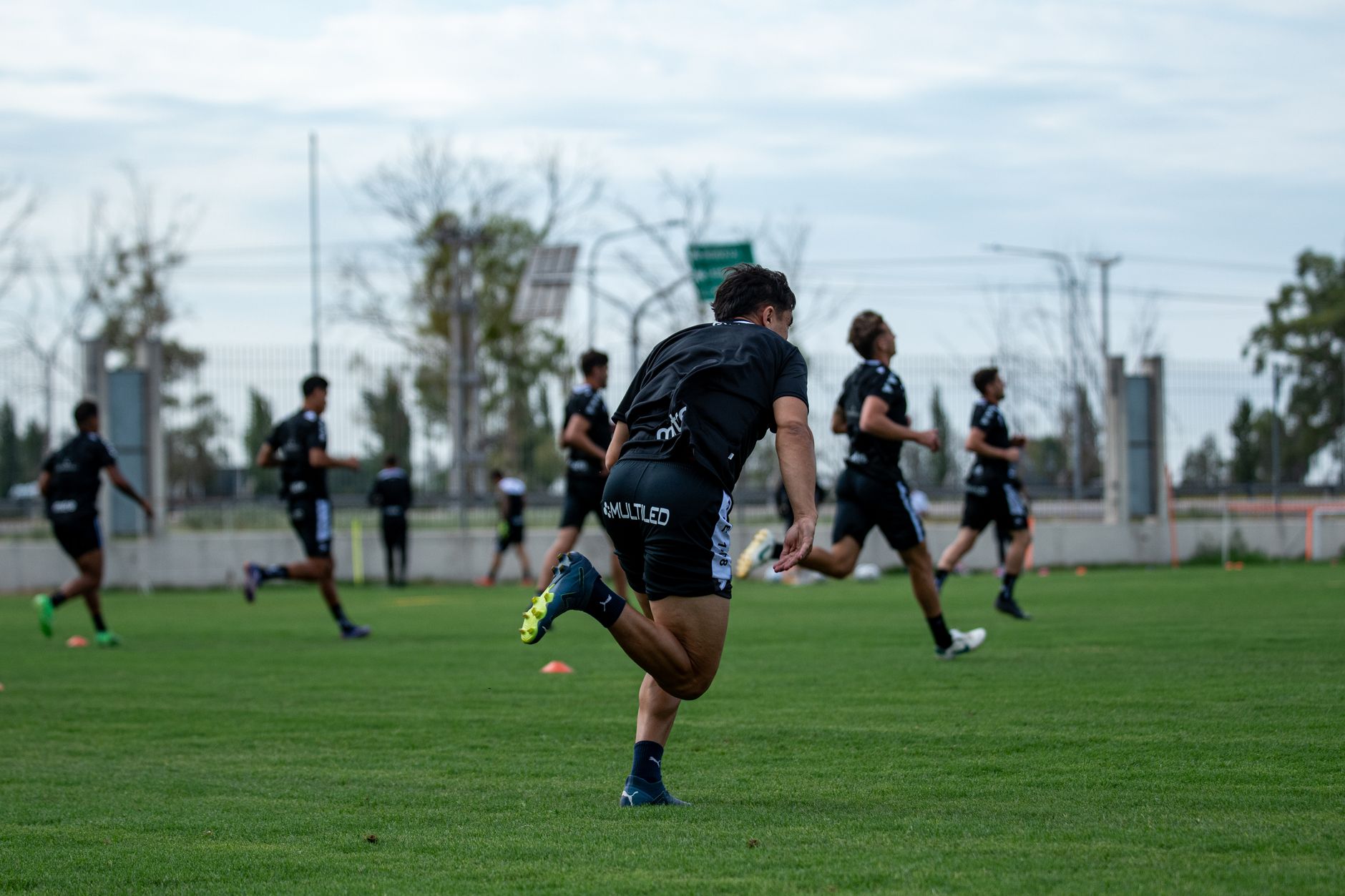
One of the most significant coaching mistakes is creating a one-size-fits-all program. Each client has unique goals, limitations, and backgrounds, making individualized coaching essential.
Assessing Individual Needs
- Conduct thorough assessments: Understand your client's fitness level, injuries, and preferences before setting up their program.
- Set SMART goals: Encourage clients to set Specific, Measurable, Achievable, Relevant, and Time-bound goals.
Adjusting for Progress
- Regularly review progress: Schedule assessments every 4-6 weeks to modify the program as needed.
- Collect feedback: Engage clients about their experiences for better tailoring.
2. Inadequate Communication Skills

Effective coaching is built on clear communication. Miscommunication can lead to confusion and frustration, making it imperative to develop strong communication skills.
Overcoming Communication Barriers
- Active listening: Ensure you're fully present during sessions to understand clients' concerns.
- Clarifying instructions: Use easy-to-understand language when explaining exercises and concepts.
Establishing Rapport
- Build trust: Share personal experiences and show vulnerability to connect with clients.
- Encouragement: Use positive reinforcement to motivate clients and enhance their confidence.
3. Neglecting Client Education
Many trainers overlook the importance of educating clients about the "why" behind their training program. This can lead to disengagement and a lack of adherence.
Instilling Knowledge
- Explain the science: Share data on how certain exercises build strength or improve endurance.
- Teach proper nutrition: Incorporate basic nutrition guidance to support clients' fitness goals.
Empowering Clients
- Encourage autonomy: Teach clients to track their progress and understand their programs.
- Resources: Equip them with articles or videos to reinforce learning.
4. Ignoring Recovery and Nutrition

Another common pitfall is focusing solely on workouts while neglecting the vital aspects of recovery and nutrition. Recovery is essential for client performance and preventing injuries.
Prioritizing Recovery
- Teach recovery techniques: Introduce foam rolling, stretching, and rest days in their routines.
- Listen to their body: Use cues like fatigue and soreness to adjust workouts accordingly.
Emphasizing Nutrition
- Basic nutritional guidance: Help clients make healthier food choices to complement their training.
- Hydration education: Stress the importance of staying hydrated for performance and recovery.
5. Overloading Clients Too Soon
Many trainers want to push their clients to achieve rapid results, but this can lead to injuries and burnout. Knowing the right moment to increase intensity is vital.
Recognizing Signs of Overtraining
- Physical indicators: Watch for common signs of fatigue, such as poor performance or persistent soreness.
- Emotional indicators: Be aware of mood changes or increased irritability that could signal mental burnout.
Progressive Training Principles
- Gradual progression: Introduce new exercises or increase weights in a controlled manner.
- Client feedback: Use their input to tailor the intensity and avoid overwhelm.
6. Lacking Business Acumen
Finally, many personal trainers make the mistake of neglecting the business side of their coaching practice. Knowing how to market, maintain finances, and manage client relationships is crucial.
Establishing a Brand
- Develop a niche: Focus on a specific demographic (e.g., athletes, seniors, etc.) to stand out in a crowded market.
- Online presence: Engage potential clients through social media and a professional website.
Managing Client Relationships
- Retention strategies: Implement loyalty programs or referral discounts to maintain a happy client base.
- Feedback loops: Regularly ask for client feedback to refine your services.
FAQs about Coaching Mistakes
What are the most common coaching mistakes?
The most frequent coaching mistakes include not tailoring programs to individual needs, poor communication, neglecting recovery and nutrition, pushing clients too hard, and lacking business insight.
How can I ensure proper communication with my clients?
Practice active listening, clarify instructions, and encourage feedback. Building rapport and trust is essential to effective client communication.
What strategies can I use to motivate my clients?
Employ positive reinforcement, set realistic goals, and celebrate milestones to keep clients motivated and engaged in their fitness journeys.
Why is recovery important in training?
Recovery is critical as it allows muscles to repair and grow, reducing the risk of injury and burnout. It enhances overall performance and client satisfaction.
Conclusion
Coaching is an art that requires continual learning and adaptation. By avoiding common coaching mistakes and refining your skills, you can enhance your clients’ experiences and success. At ElitePTS, we emphasize the importance of effective coaching through our specialized training programs. Visit our website to learn more and elevate your coaching game!