


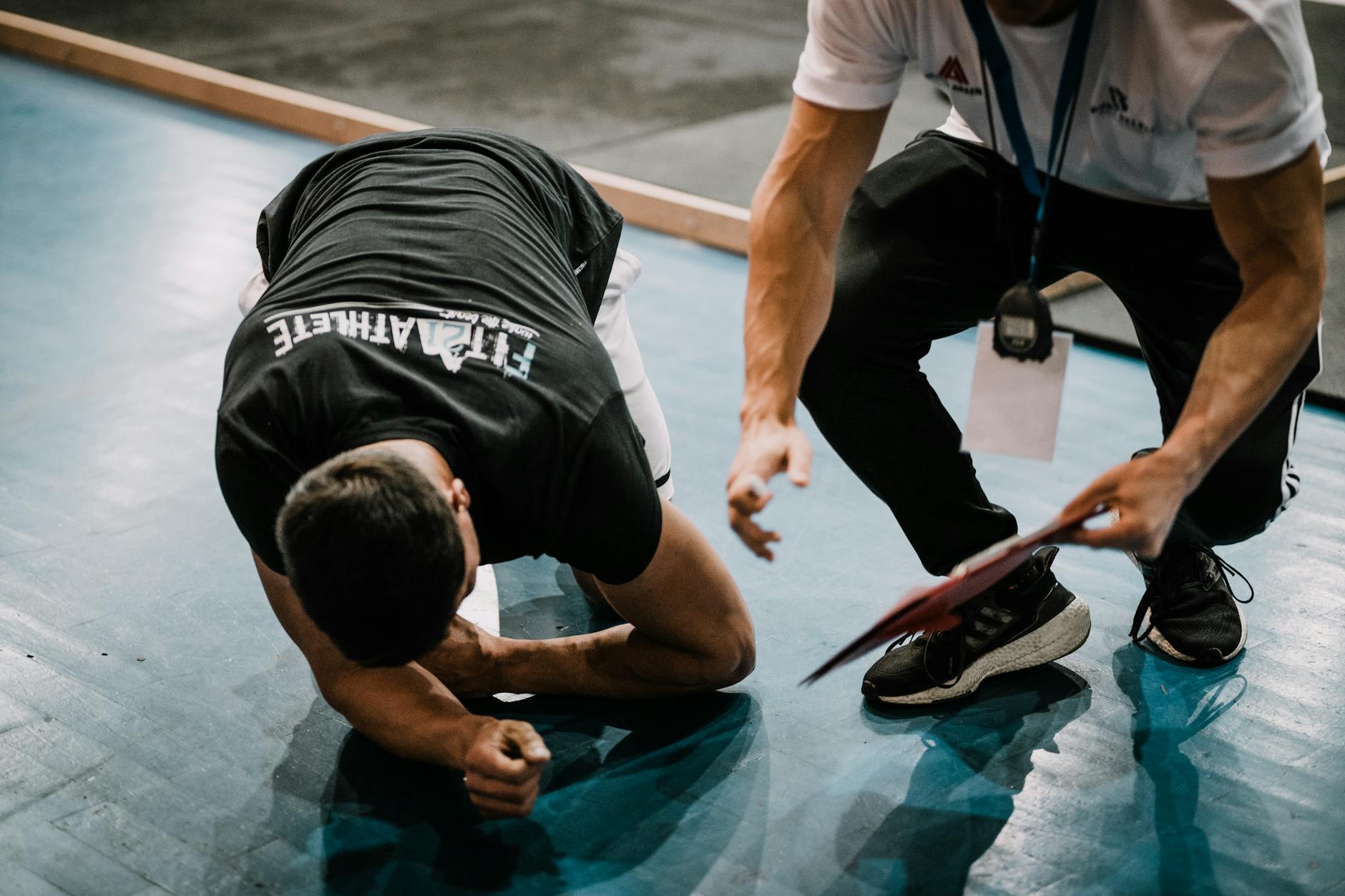
How to Conduct an Effective Client Consultation in Fitness
A great client consultation is where trust, coaching precision, and revenue all start. If that first meeting is vague, rushed, or overly salesy, you lose adherence before the first workout; if it is structured, evidence-based, and personalized, fitness sales training and onboarding coaching become easier because the client already believes the plan fits them.
The best consultations do three jobs at once: they identify risk, uncover the client’s real goals, and turn that information into a clear first-step plan. That matters because behavior-change research consistently shows that autonomy, self-efficacy, and clarity improve follow-through. In practical terms, clients stick when they feel heard, understand the process, and know exactly what to do next. Your consultation is not just a chat and it is not just a sales call; it is a structured coaching intake process. In this guide, you will learn a repeatable system for running a high-value client consultation, from pre-screening and question flow to movement observation, offer presentation, and week-one onboarding. Use it whether you coach general population clients, strength athletes, or busy adults who need a plan they can execute immediately.
Build a Repeatable Client Consultation System
Define the goal of the meeting before you ask a single question
The purpose of a consultation is not to impress the client with how much you know. It is to collect enough useful information to make a safe, specific recommendation. That means you need three outcomes by the end of the meeting: a risk profile, a goal-and-barrier profile, and a next-step prescription. If you cannot summarize those in 60 seconds, your consultation was probably too broad.
Use a simple success filter: by the end of the session, the client should know what they are training for, what is currently stopping them, and what the first 7 days will look like. This keeps the meeting practical. It also prevents the common mistake of spending 40 minutes on storytelling and 5 minutes on a plan. When your process is consistent, your coaching quality, conversion rate, and team training all improve.
Use a 45-minute agenda with fixed time blocks
A repeatable agenda keeps the consultation focused and reduces decision fatigue for both coach and client. For most facilities, 45 to 60 minutes works well. A strong baseline is 10 minutes for rapport and goals, 10 minutes for health and exercise history, 10 minutes for behavior and schedule analysis, 10 minutes for movement observation, and 5 minutes for next steps and commitment.
Try this simple structure:
- 0-10 min: rapport, goals, motivation, expectations
- 10-20 min: PAR-Q+, injury history, medications, pain, training age
- 20-30 min: schedule, sleep, stress, nutrition, barriers, support system
- 30-40 min: basic movement screen or exercise competency check
- 40-45 min: summarize findings, prescribe first step, book next action
If you need help standardizing goal language, review how to set SMART fitness goals so your intake leads directly into measurable programming decisions.
Pre-Screen for Safety, Readiness, and Buy-In During the Client Consultation
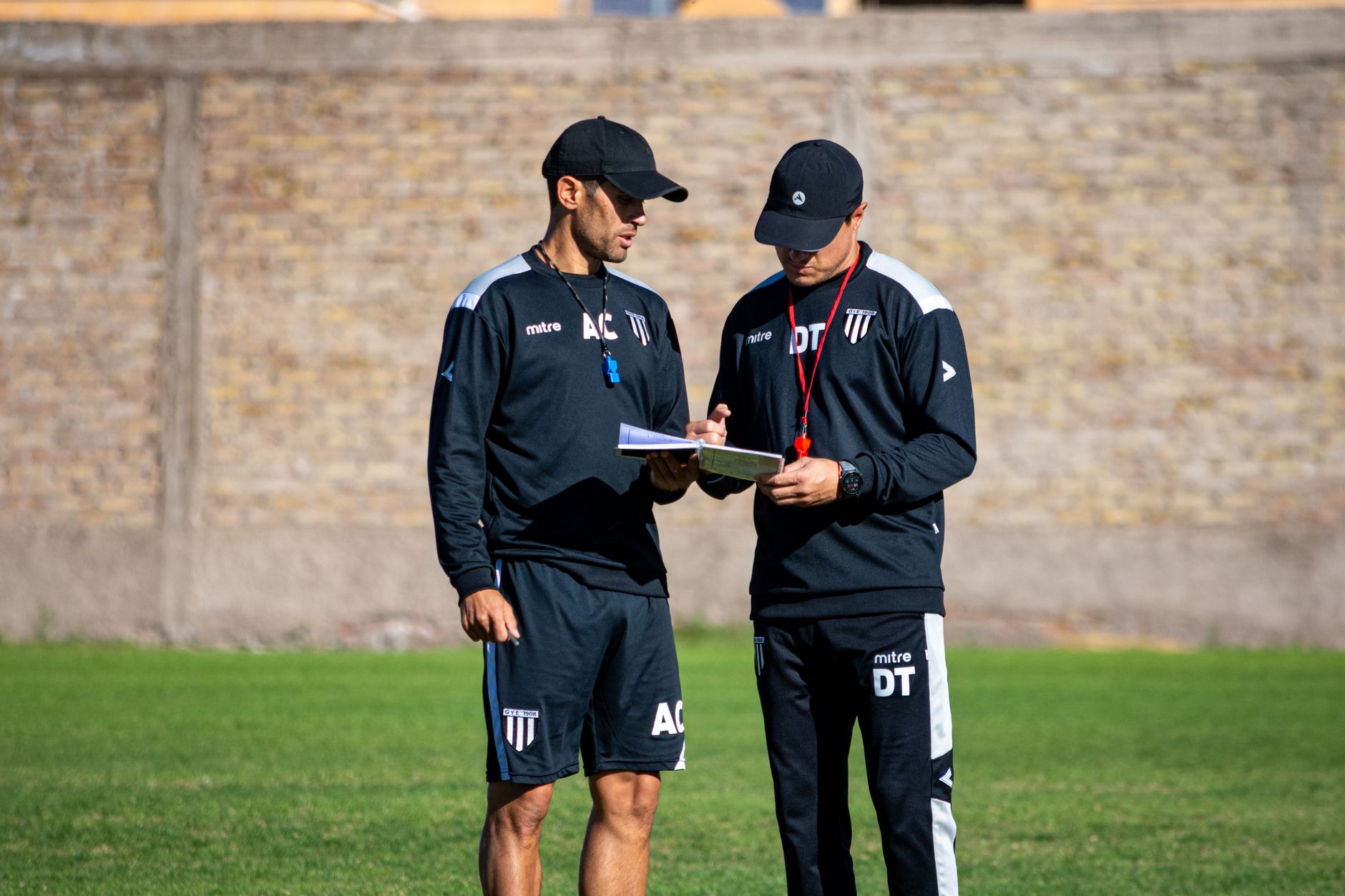
Start with health history and non-negotiable red flags
Before you talk transformation, screen for safety. The PAR-Q+ and ACSM preparticipation guidance are useful starting points for identifying whether a client can begin exercise independently, should start with modifications, or needs medical clearance. Red flags include unexplained chest pain, dizziness with exertion, uncontrolled blood pressure, recent surgery, acute swelling, or symptoms that worsen with normal activity.
Keep this part direct, professional, and calm. You are not diagnosing; you are identifying whether training should proceed, regress, or pause. For most general population clients, the practical question is simple: Can this person safely start with low-to-moderate intensity resistance and aerobic work today? If yes, move on. If not, document why and refer out appropriately.
Adults should accumulate 150-300 minutes of moderate physical activity per week and muscle-strengthening activities on 2 or more days. — World Health Organization physical activity guidelines
Assess readiness, barriers, and adherence predictors
Many coaches overvalue movement screens and undervalue behavior screens. Long-term results depend more on adherence than on finding a tiny asymmetry on day one. Ask clients to rate readiness, confidence, and importance on a 0-10 scale. If confidence is below 7, the initial plan is probably too aggressive or the barrier is still unclear.
Ask specifically about schedule, sleep, commute, childcare, work stress, and previous reasons for stopping programs. Those answers predict compliance. A client sleeping 5 hours per night and traveling 3 days per week does not need a 6-day split; they need a realistic 2-3 day plan plus a step target. For behavior support, pair your intake with habit stacking for fitness consistency so the first changes fit into the client’s actual life rather than an ideal one.
Ask Better Questions and Listen Like a Coach
Use motivational interviewing instead of interrogation
Motivational interviewing works because it reduces resistance and increases ownership. The core idea is simple: ask open questions, affirm what is working, reflect back what you heard, and summarize. Instead of asking, “Why have you not been consistent?” ask, “When have you trained consistently before, and what made that period work?” That one shift keeps the client out of defense mode.
Aim for a 70/30 split where the client talks about 70% of the time. Good prompts include: “What would success look like in 12 weeks?” “What has frustrated you most?” “What feels realistic right now?” and “What would make this plan easy to follow?” You are listening for language around identity, constraints, and readiness. Those three variables tell you more about likely adherence than a generic goal like “tone up.”
Motivational interviewing is a collaborative, person-centered style of communication designed to strengthen a person’s own motivation and commitment to change.
Quantify the starting point so the plan has teeth
Consultations need numbers. Record body mass if appropriate, waist circumference when relevant, average daily steps, current training frequency, sleep hours, protein intake estimate, and workday activity level. For performance-oriented clients, collect recent bests, resting heart rate, subjective energy, and session availability. A plan without baseline numbers becomes vague fast.
For movement, keep the screen simple and useful: 5 bodyweight squats, 5 hip hinges, a split squat hold for 20 seconds each side, a push-up variation, and an overhead reach check. You are not scoring perfection; you are observing pain, control, confidence, and regression needs. If you later program load management using RPE and RIR, these baseline observations make exercise selection far easier.
Use Fitness Sales Training Without Feeling Salesy
Connect the goal to a specific, solvable problem
Effective fitness sales training is not about pressure. It is about clarity. Once you have the client’s goals and barriers, reflect them back in one concise summary: “You want to lose 15 pounds, build enough strength to feel confident in the gym, and your biggest obstacles are inconsistent scheduling and not knowing what to do.” If the client says, “Exactly,” you have earned the right to prescribe.
This is where many coaches ramble. Do not present every possible option. Present the shortest path that fits the client’s constraints. For example, a deconditioned adult with knee discomfort and low confidence may start with two coached full-body sessions per week, a daily step floor of 6,000, and one recovery walk on the weekend. That sounds manageable, which is exactly why clients say yes.
Present the prescription and close with commitment
Make the recommendation specific: frequency, duration, support level, and first checkpoint. A clean close sounds like this: “Based on what you told me, I recommend 2 sessions per week for 12 weeks, plus a simple home plan. We will reassess strength, body measurements, and habits at week 4.” Specificity increases trust because it feels like coaching, not selling.
Support the offer with education, not a lecture. If nutrition is part of the solution, explain where training and food interact, then refer to complementary resources like nutrition coaching basics. If progression is the issue, show how progressive overload will be individualized rather than random. Then ask for the next action: book the first session, sign the program, or start the assessment block today.
Turn Day One Into Better Onboarding Coaching
Deliver a minimum effective starting plan
Strong onboarding coaching starts with restraint. New clients do not need the perfect plan; they need a plan they can complete. For most general population goals, week one should feel like a 6-7 out of 10 effort, not a physical exam. A solid template is 2-3 full-body sessions built around 4-6 movements: squat or leg press, hinge or hip bridge, horizontal push, horizontal pull, loaded carry, and 5-10 minutes of conditioning.
Use practical starting volumes. For beginners, start with 2-3 sets of 6-12 reps on major lifts, 1-2 reps in reserve for technique quality, and 60-120 seconds rest depending on exercise. Add a step target based on baseline: current average plus 1,500 to 2,000 steps per day is often realistic. These numbers are simple enough to execute and conservative enough to recover from.
Build accountability in the first 7 days
Your first-week system should include one clear win outside the gym. Options include hitting protein at 25-40 grams in 2 meals daily, completing 3 ten-minute walks after meals, or preparing tomorrow’s training clothes before bed. The best first habit is the one the client can do even on a chaotic day. Compliance builds identity, and identity drives retention.
Schedule a 72-hour follow-up message and a 7-day check-in. Ask three questions: “What felt easy?” “What felt hard?” and “What needs adjusting?” This gives you course-correction data before motivation drops. Recovery should also be discussed early, especially for high-stress clients, so point them toward evidence-based recovery strategies if soreness, fatigue, or sleep become limiting factors.
Common Mistakes That Kill Conversion and Compliance
Talking too much, testing too much, and prescribing too much
The fastest way to weaken a consultation is to make it about the coach. If you dominate the conversation, the client never hears their own motivation out loud. If you run a battery of tests before you understand goals and schedule, you collect data with no context. And if you prescribe six habits at once, you create failure conditions on day one.
Use the rule of one: one primary goal, one biggest barrier, one starting frequency, and one first habit. You can always layer complexity later. The consultation should reduce friction, not showcase your entire knowledge base in a single hour.
Leaving without a clear next step
Every consultation should end with a decision. That decision might be medical referral, a trial session, a 12-week coaching block, or a home program with follow-up. What it cannot be is “Let me know what you think.” Ambiguity kills momentum. People are busiest and most distracted after they leave your facility, so clarity must happen before they walk out.
End with a recap in plain language: “Here is your main goal, here is what is getting in the way, and here is the plan for the next 7 days.” Then book the next contact immediately. Good onboarding is not hope; it is a calendar event.
FAQ: Client Consultation, Fitness Sales Training, and Onboarding Coaching
How long should a client consultation be?
For most coaches, 45-60 minutes is the sweet spot. It is long enough to cover health history, goals, barriers, movement observation, and next steps without overwhelming the client. If you work with athletes or complex injury cases, you may need a separate assessment session.
The key is not total length but structure. If the client leaves with a clear prescription and a booked next action, the meeting was long enough. If they leave informed but undecided, the consultation probably lacked a clear close.
What questions should every consultation include?
At minimum, ask about goals, timeline, exercise history, injury history, current activity, sleep, stress, schedule, nutrition habits, and previous reasons for stopping. Also ask what success would look like in concrete terms: body composition, strength numbers, pain reduction, energy, or confidence.
Do not skip barrier questions. Asking “What could realistically get in the way?” often reveals the information that determines whether a 3-day plan works better than a 5-day plan. Programming quality starts with honesty about lifestyle constraints.
Should you assess movement on day one?
Yes, but keep it simple and relevant. The goal is not to diagnose dysfunction from a long checklist. The goal is to see whether the client can squat, hinge, push, pull, brace, and move without pain or obvious control issues that affect exercise selection.
If pain appears, regress or refer. If movement is simply unskilled, coach the pattern and start conservatively. In many cases, competency improves quickly once the client practices basic patterns under appropriate load and fatigue management.
How do you improve consultation conversion rates?
Improve your listening, shorten your recommendations, and tie every recommendation to the client’s stated problem. Conversion rises when clients feel understood and see a realistic path forward. Summarize their goals and barriers before you present the plan.
Also reduce decision friction. Offer one best-fit option, define the first checkpoint, and ask for a clear commitment. Good conversion is usually the result of better coaching communication, not harder selling.
What should happen in the first week after the consultation?
The first week should prove that the plan is doable. That means a manageable training dose, one high-value habit, and at least one follow-up touchpoint from the coach. Most clients need early wins more than they need intensity.
Use the first 7 days to collect adherence data, not to chase fatigue. When clients complete the basics, you have earned the right to progress volume, load, frequency, or nutrition targets in week two and beyond.
A high-level client consultation is not a script you memorize; it is a repeatable system that turns evidence into decisions. Screen for safety, ask better questions, quantify the starting point, make a specific recommendation, and back it up with simple onboarding coaching. When you do that well, fitness sales training stops feeling like sales and starts feeling like professional coaching.
If you want more evidence-based tools to improve assessments, programming, and retention, explore ElitePTS articles. Build a consultation that gives clients immediate clarity, immediate action, and a reason to stay consistent long enough to see real results.