


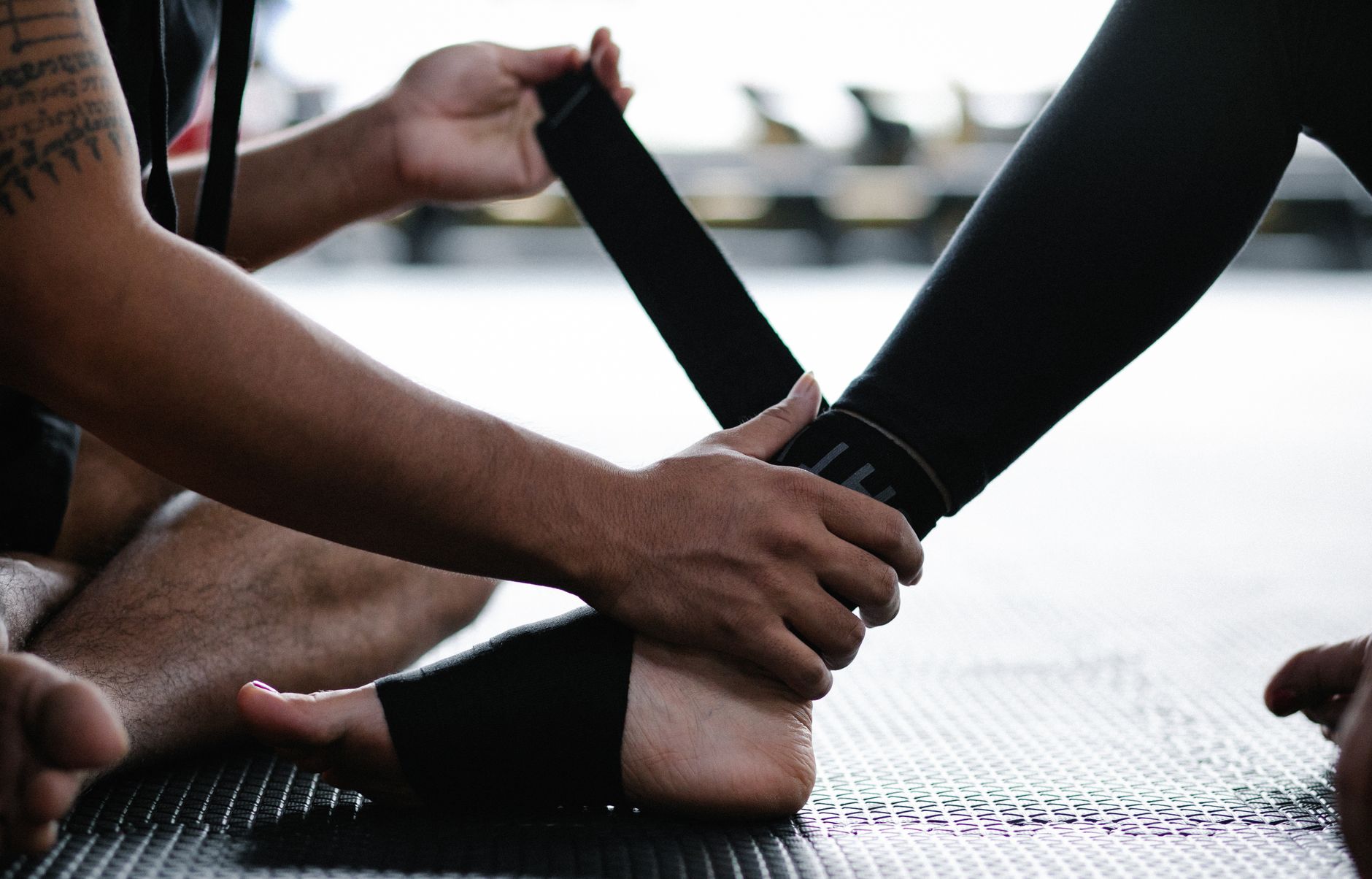
How to Improve Joint Health Through Nutrition and Training
Your joints do not fail overnight. Most joint issues are the result of months or years of under-recovery, poor load management, low tissue capacity, and nutrition that does not support repair. The good news: if you want better joint health, you can train and eat in ways that make your tissues more resilient starting today.
When people think about joints, they usually think about pain. Coaches, athletes, and clients should think bigger: cartilage quality, tendon stiffness, ligament integrity, synovial fluid movement, inflammation control, and the ability to tolerate force through full range of motion. That is what creates healthy joints. To improve joint mobility and keep training hard, you need a system: enough protein to repair tissue, targeted nutrients to support collagen turnover, smart strength work to build load tolerance, and recovery habits that keep irritation from turning into injury. This article breaks down what the current evidence and coaching trenches actually support, including exact dosages, training protocols, and recovery rules you can apply this week.
What Actually Builds Healthy Joints?
Joints Adapt to Load, Not Rest Alone
Cartilage, tendons, ligaments, and the muscles around a joint all respond to the stress you place on them. Too little movement reduces synovial fluid circulation, lowers tissue tolerance, and often makes people feel stiffer. Too much load too quickly does the opposite problem: irritation, flare-ups, and pain. The sweet spot is progressive, repeatable loading through tolerable ranges.
For most adults, the first win is simple: move every day and strength train at least 2 to 4 times per week. Walking, cycling, and controlled resistance training improve circulation and help maintain joint motion. If you spend all day sitting, add 5 minutes of movement every 60 to 90 minutes. That small habit often does more for stiffness than another random stretching video.
Pain Is Often a Capacity Problem
Many lifters assume noisy knees or stiff shoulders mean damage. Often, the issue is that the joint is being asked to handle more force, speed, or volume than the surrounding tissue is prepared for. That is why the best injury-prevention plans build capacity first: stronger muscles, better mechanics, and gradual exposure to end ranges.
A practical rule: keep training pain at 3 out of 10 or less, and make sure symptoms return to baseline within 24 hours. If pain spikes to 5 or 6 out of 10 and lingers for days, your load is too high. This is where a planned reduction in volume helps more than total shutdown. If you need a reset, use a structured approach like deload weeks for injury prevention instead of guessing.
Nutrition Fundamentals for Better Joint Health

Protein and Micronutrients Drive Tissue Repair
If your nutrition is poor, your recovery ceiling is low. Connective tissues remodel slowly, which makes consistent intake more important than any one superfood. For athletes and active adults, a strong evidence-based target is 1.6 to 2.2 g of protein per kg of bodyweight per day, split across 3 to 5 meals. Aim for 25 to 40 g of protein per meal to support muscle repair and provide the amino acids your joints and connective tissues use.
Also cover the basics: vitamin C for collagen synthesis, vitamin D if levels are low, magnesium for overall recovery, and minerals like zinc and copper that support tissue remodeling. Easy food wins include Greek yogurt, eggs, fish, lean meat, berries, citrus, kiwi, beans, bone-in sardines, and collagen-rich cuts like shank or slow-cooked beef. If your everyday diet is inconsistent, your joints will feel it before your mirror does.
Eat to Control Inflammation, Not Eliminate It
Inflammation is not the enemy; chronic excessive inflammation is. Hard training creates a normal inflammatory response that helps adaptation. Problems show up when poor sleep, low-quality food, excess alcohol, high body fat, and unmanaged stress keep the system turned up all the time. That environment can amplify joint irritation and slow recovery.
Build most meals around a simple performance plate: half produce, a palm or two of protein, quality carbs around training, and healthy fats. Include fatty fish 2 to 4 times per week, extra-virgin olive oil, nuts, seeds, legumes, and colorful produce. Hydration matters too, especially for active clients: start around 30 to 35 mL of water per kg bodyweight daily, then add more based on sweat losses. For a broader recovery strategy, see recovery strategies for athletes and the cross-domain guide on nutrition for recovery and performance.
Best Supplements for Joints: What Works and What Is Overhyped
Collagen, Gelatin, and Vitamin C Have the Best Practical Case
When people search for supplements for joints, they usually want a magic pill. There is no magic pill, but there is one stack with a practical use case: 10 to 15 g collagen or gelatin plus at least 50 mg vitamin C taken 30 to 60 minutes before loading exercise. Research on collagen synthesis suggests this may increase the availability of collagen-building amino acids when tendons and ligaments are being trained.
Practical protocol: take 10 to 15 g hydrolyzed collagen or gelatin with fruit or a vitamin C source 30 to 60 minutes before rehab work, jumping, lifting, or mobility sessions focused on the irritated area.
This is not a replacement for training; it is a support strategy. It makes the most sense for athletes with recurring tendon pain, older adults with low protein intake, or clients returning to loading after a layoff. Give it 8 to 12 weeks before judging results, because connective tissue changes are slow.
Omega-3s, Curcumin, and the “Maybe” Category
Omega-3 fish oil has decent evidence for helping manage inflammation and may reduce joint discomfort in some populations. A useful target is 1 to 3 g per day of combined EPA and DHA. Curcumin can also help with pain and stiffness in some people, especially when standardized extracts are used. Common evidence-based ranges are 500 to 1000 mg curcuminoids daily, often split into 1 to 2 doses and taken with a bioavailability enhancer.
Glucosamine and chondroitin have mixed evidence. Some people report benefit, others get nothing. Vitamin D is important if you are deficient, but it is not a joint miracle if your status is already normal. The elite approach is simple: pick one or two supplements, run them consistently for 8 to 12 weeks, and track pain, stiffness, and training tolerance. Do not stack five products and pretend you know what helped.
Training to Improve Joint Mobility and Load Tolerance
Use Strength Training Through Full Range of Motion
If you want to improve joint mobility, stretching alone is rarely enough. Most people need strength at end range. Controlled full-range strength training teaches your body that those positions are safe and usable. Think deep split squats, heels-elevated squats, Romanian deadlifts, calf raises off a step, and dumbbell pressing through a pain-free range.
A high-return template is 2 to 4 sets of 6 to 12 reps, using a 2- to 4-second eccentric, 2 to 3 times per week. Start lighter than your ego wants, own the position, and progress slowly. This is especially effective for knees, ankles, hips, and shoulders. Pair it with a specific warm-up for strength training so you enter loaded movement with better tissue temperature and control.
Mobility That Transfers Beats Random Stretching
The best mobility work is brief, targeted, and tied to the movement you actually need. Joint circles, controlled articular rotations, dynamic mobility, and end-range isometrics outperform random passive stretching for most lifters because they build ownership. Spend 8 to 12 minutes before training on the joints you are about to use hard.
Example lower-body circuit: 1 set of 5 slow ankle circles each direction, 2 sets of 8 tibia-over-toe ankle rocks, 2 sets of 20-second split squat holds near end range, and 2 sets of 6 tempo goblet squats. Example shoulder circuit: 1 set of 5 controlled shoulder circles, 2 sets of 8 wall slides, 2 sets of 20-second overhead carry holds, and 2 sets of 8 half-kneeling presses. If you need a bigger framework, combine this with progressive overload for strength and hypertrophy so mobility gains turn into long-term strength capacity.
Recovery, Body Composition, and Red Flags
Recovery Determines Whether Tissues Adapt
Training is only the signal. Recovery is where tissues actually remodel. Sleep is the most underrated tool in joint health: aim for 7.5 to 9 hours per night. Poor sleep is linked with higher pain sensitivity, worse coordination, and slower recovery, which means the same training load starts to feel harder on your joints.
Body composition matters too. Carrying more total mass increases joint loading, especially at the knees, hips, and feet. That does not mean you need to get light; it means you need enough muscle, appropriate conditioning, and nutrition that keeps body fat in a healthy range for your sport and life. Recovery basics that work:
- Get 7.5 to 9 hours of sleep
- Walk 7,000 to 10,000 steps daily if tolerated
- Keep at least 1 easy day between hard impact sessions
- Hit your protein and hydration targets daily
- Use light aerobic work 10 to 20 minutes for active recovery
Know When to Modify and When to Get Help
Not all joint pain is a “push through it” situation. Modify training if you have swelling, sharp catching, repeated instability, or night pain. Seek assessment quickly for trauma, rapid swelling, locking, fever, numbness, or pain that is worsening despite load reduction. Smart athletes do not ignore red flags; they solve them early.
A simple decision tree works well. If pain is mild and warm-up improves it, train with reduced load or range. If pain escalates during the session or symptoms are worse the next day, cut volume by 20 to 40 percent for a week. If you keep guessing, you keep delaying progress. Use objective movement checks, like this cross-domain mobility screen for athletes, and revisit fundamentals before chasing exotic fixes.
FAQ: Joint Health, Mobility, and Supplements
Does joint cracking mean damage?
Usually, no. Popping and cracking are often just pressure changes, tendons shifting, or harmless joint noise. Noise without pain, swelling, or loss of function is generally not a concern. The context matters more than the sound.
If cracking comes with pain, catching, or instability, get it assessed. Otherwise, focus on building stronger tissues and better movement quality instead of obsessing over harmless noises.
How long does it take to notice better joint health?
People often feel less stiffness in 2 to 4 weeks once they improve sleep, hydration, movement frequency, and training dosage. More meaningful connective tissue adaptation usually takes 8 to 12 weeks or longer, especially for tendons.
The mistake is quitting early. Joints adapt slower than muscles. Track morning stiffness, pain during training, and next-day recovery. Those markers usually improve before dramatic performance changes show up.
Are deep squats bad for healthy joints?
For most people with adequate mobility and control, deep squats are not inherently bad. In fact, training through more range often helps maintain tissue capacity and strength where many athletes are weakest. The issue is not depth by itself; it is whether you own that depth.
Start with variations you can control, such as goblet squats, split squats, or box squats with gradual depth progressions. Use load and range as separate dials. Increase one at a time, not both at once.
What are the best supplements for joints if I only choose one or two?
If your diet is already solid, the best first options are usually collagen or gelatin plus vitamin C around targeted training and omega-3 fish oil if your fatty fish intake is low. Those have the clearest practical use cases.
If pain and stiffness are the main problem, curcumin can be worth a trial. If you are deficient in vitamin D, correct that. Skip the kitchen-sink approach and test products one at a time.
Can I improve joint mobility without making a painful joint worse?
Yes. Use pain-aware loading, not pain-avoidance forever. Stay in tolerable ranges, move slowly, and build isometric strength at the edge of your current motion. That gives the nervous system confidence and the tissues a reason to adapt.
A good starting point is 3 to 5 mobility drills for 1 to 2 sets each, followed by 2 to 4 strength exercises through the best pain-free range you have today. Consistency beats intensity when a joint is irritated.
Conclusion
Better joint health is rarely about one supplement, one stretch, or one magic exercise. It comes from stacking the basics that actually move the needle: enough protein, targeted support like collagen and omega-3s when appropriate, full-range strength training, smart mobility, better sleep, and disciplined load management. That is how you build healthy joints that can tolerate sport, lifting, and everyday life.
If you want to improve joint mobility, reduce flare-ups, and make better training decisions, use the protocols in this article for the next 8 weeks and track your results. For more evidence-based coaching insights, rehab-minded training strategies, and performance education, explore more at ElitePTS Articles. Elite Catalyst exists for one reason: turning science into results you can feel in the gym.