


Introduction: The Importance of Iron and Zinc for Athletes
As athletes, our performance is influenced by various factors, including training, recovery, sleep, and nutrition. Among these, mineral intake plays a significant role, especially for iron and zinc. These two minerals are not just critical for overall health but are fundamental to an athlete's success. In this article, we dive deep into why iron and zinc are essential, how they impact performance, and actionable strategies to ensure you’re getting enough of these crucial nutrients.
The Role of Iron in Athletic Performance
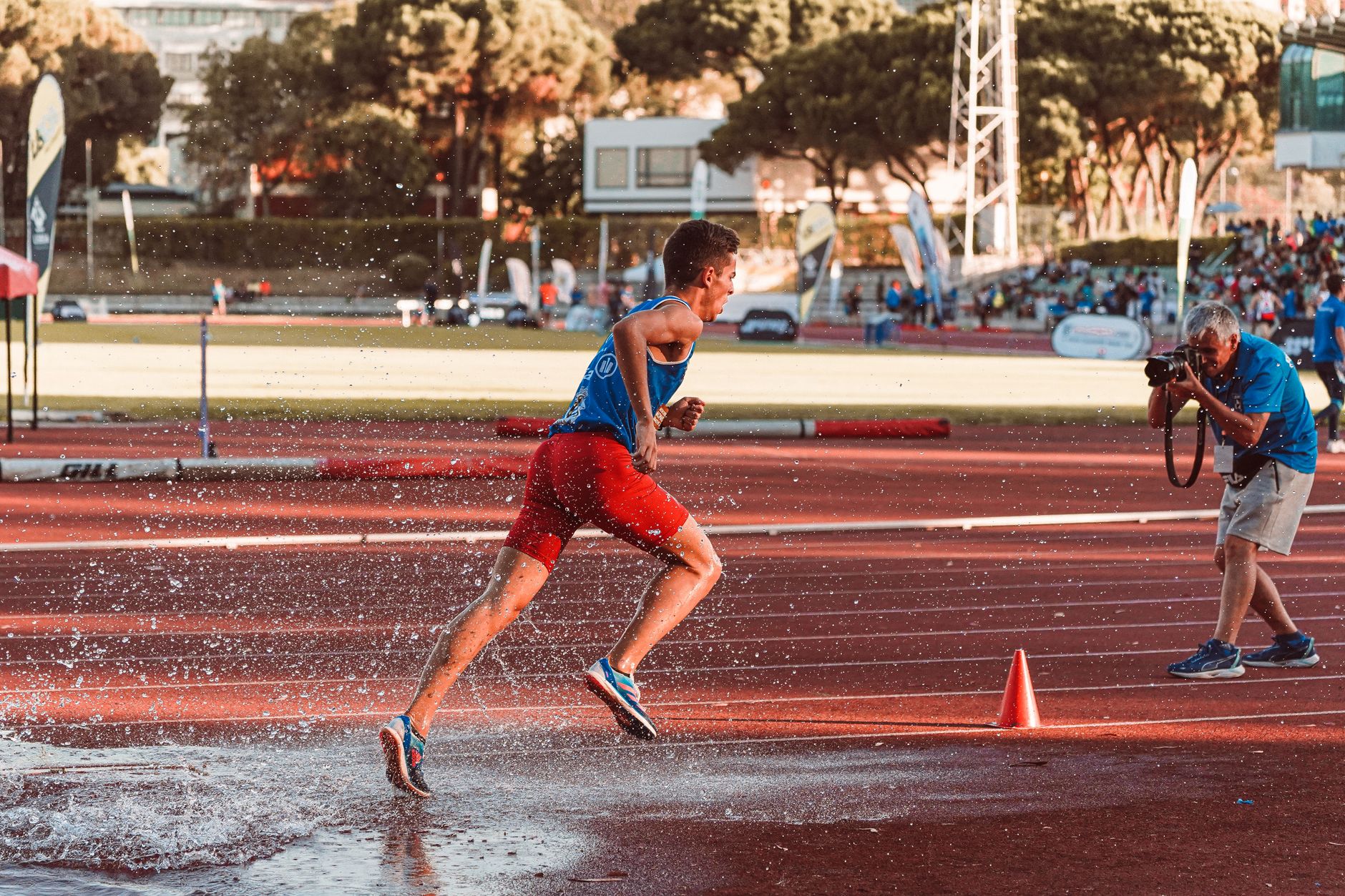
Iron is an essential mineral that plays a vital role in the transport of oxygen in the blood. This function is crucial for athletes, as oxygen is required for energy production during physical activity.
Understanding Iron Deficiency
Iron deficiency is one of the most common nutritional deficiencies and can significantly impair athletic performance. Here are some signs and symptoms:
- Fatigue and weakness
- Shortness of breath during training
- Pale skin and nails
- Frequent headaches
Optimal Iron Levels for Athletes
According to the Institute of Medicine, male athletes should aim for a daily intake of about 8 mg, while females require around 18 mg. Endurance athletes may need even more due to increased iron loss through sweat and urine.
Sources of Iron
Boosting your iron intake can come from various dietary sources, including:
- Heme Iron (found in animal products):
- Red meat
- Poultry
- Fish
- Non-Heme Iron (found in plant foods):
- Legumes (beans and lentils)
- Nuts and seeds
- Leafy greens (spinach and kale)
- Fortified foods: Breakfast cereals often contain added iron.
The Importance of Zinc for Athletes

Zinc is another crucial mineral that supports various physiological functions, from immune system health to protein synthesis—both vital for athletes.
Zinc's Role in Muscle Recovery and Immune Function
Research indicates that zinc contributes to muscle recovery after strenuous workouts and helps prevent illness, which can sideline athletes:
- Accelerates healing processes
- Supports hormonal balance, including testosterone levels
- Enhances immune response
Signs of Zinc Deficiency
A deficiency in zinc may lead to:
- Decreased appetite
- Frequent infections
- Slow wound healing
- Hair loss
Recommended Zinc Intake for Athletes
Males aged 19 and older need about 11 mg of zinc daily while females require approximately 8 mg, according to the National Institutes of Health. Athletes involved in high-intensity training may require higher amounts due to increased metabolic demands.
How to Ensure Adequate Iron and Zinc Intake
Monitoring your intake of both iron and zinc through diet or supplementation is crucial for optimal performance. Here are some actionable tips:
Tracking Blood Levels
It is advisable for athletes to regularly monitor their mineral levels through blood tests. Keeping track of serum ferritin levels can help identify iron deficiency before it becomes severe.
Dietary Strategies
Incorporate a variety of iron and zinc-rich foods into your meals:
- Include both animal and plant-based sources of iron and zinc.
- Pair iron-rich foods with vitamin C sources (like oranges or bell peppers) to enhance absorption.
- Avoid high-calcium foods at iron-meal times, as calcium competes for absorption.
When to Consider Supplements
If dietary intake is insufficient or if blood tests show deficiencies, consider discussing supplementation with a healthcare provider. It's essential to take these responsibly and not exceed recommended dosages.
Impact of Mineral Deficiency on Athletic Performance
Both iron and zinc deficiencies can lead to decreased performance and increased risk of injury. Understanding the impact of these deficiencies can help motivate athletes to monitor their intake effectively.
Consequences of Iron Deficiency in Sports
Athletes with iron deficiency may experience:
- Reduced endurance
- Increased fatigue levels
- Longer recovery times
Consequences of Zinc Deficiency in Sports
Similar to iron, inadequate zinc can lead to:
- Decreased muscle strength
- Increased susceptibility to illnesses
- Impaired recovery
FAQ: Common Questions about Iron and Zinc for Athletes
1. How do I know if I am deficient in iron or zinc?
Symptoms include fatigue, muscle cramps, frequent infections, and hair loss. Consulting with a healthcare professional for blood tests is the most reliable way to check your levels.
2. Can I get enough iron and zinc from my diet?
Yes, with a well-balanced diet that includes a variety of iron and zinc sources, many athletes can meet their needs without supplementation.
3. Are there any risks associated with excessive iron or zinc intake?
Yes, excessive intake can lead to toxicity, which can cause health issues, including compromised immune function and potential organ damage. Moderation is key.
4. What foods are the best sources of iron and zinc?
Best sources for iron include red meat, poultry, and legumes. For zinc, opt for seafood, meat, nuts, and dairy products.
Conclusion
Monitoring iron and zinc levels is essential for every athlete aiming for peak performance and recovery. By adopting dietary strategies and proactively addressing any deficiencies, you can enhance your fitness journey. For personalized advice and programs tailored to your needs, reach out to ElitePTS today!