



Introduction: The Rise of Kettlebell Training
In the ever-evolving landscape of fitness, kettlebell training has emerged as a powerhouse method for developing functional strength. Once a tool primarily used by athletes and dedicated fitness enthusiasts, kettlebells have now infiltrated mainstream gyms, offering unique benefits for everyone from beginners to seasoned athletes.
What sets kettlebells apart is their ability to engage multiple muscle groups simultaneously, improve core stability, and enhance overall athletic performance. In this article, we’ll explore a comprehensive kettlebell training program designed to build functional strength, providing actionable advice and data-backed insights.
The Science of Functional Strength

Functional strength is defined as the ability to perform daily activities with ease and efficiency. According to a study published in the Journal of Strength and Conditioning Research, functional strength training not only increases muscle mass but also improves balance, coordination, and mobility.
When considering kettlebell training, the multifaceted nature of kettlebell exercises can lead to substantial improvements in functional strength through:
- Core Engagement: Kettlebell exercises promote core stability due to their unique shape and the dynamic nature of movements.
- Improved Range of Motion: Many kettlebell exercises engage the entire body, enhancing flexibility and reducing the risk of injury.
- Metabolic Conditioning: High-intensity kettlebell workouts can improve cardiovascular endurance alongside strength.
Getting Started with Kettlebell Training

Choosing the Right Kettlebell
Selecting an appropriate kettlebell weight is crucial for maximizing results while minimizing the risk of injury. Beginners might start with:
- 8-12 kg (18-26 lbs): for females or those new to strength training.
- 12-16 kg (26-35 lbs): for males or those with some experience in resistance training.
As strength and technique improve, gradually increasing the weight is recommended.
Warm-Up Essentials
Warming up properly before any workout is vital to prevent injuries. Consider the following exercises to prepare your body for kettlebell training:
- Dynamic stretches: Arm circles, leg swings, and torso twists.
- Bodyweight movements: Air squats and push-ups to elevate your heart rate and activate key muscle groups.
Key Kettlebell Exercises for Functional Strength
Kettlebell Swing
The kettlebell swing is a cornerstone exercise that engages the entire posterior chain (hamstrings, glutes, and lower back) while also providing cardiovascular benefits.
- Technique: Stand with feet shoulder-width apart, holding the kettlebell with both hands. Hinge at the hips and allow the kettlebell to swing between your legs, keeping your back straight. Drive through your heels and thrust your hips forward to swing the kettlebell up to shoulder height.
- Reps: Aim for 3 sets of 15-20 repetitions.
Kettlebell Goblet Squat
This squat variation emphasizes lower body strength and core stability. It helps to improve squat form, a fundamental movement in many physical activities.
- Technique: Hold the kettlebell close to your chest with both hands. Squat down as if sitting back into a chair, keeping your elbows inside your knees.
- Reps: Target 3 sets of 10-15 repetitions.
Kettlebell Deadlift
A great exercise for developing strength in the posterior chain, the kettlebell deadlift sets a strong foundation for various athletic movements.
- Technique: Place one or two kettlebells on the floor between your feet. Hinge at the hips and lower your body to grasp the kettlebell. Stand up while keeping your back straight, squeezing your glutes at the top.
- Reps: Incorporate into your routine with 3 sets of 8-12 repetitions.
Creating Your Kettlebell Program
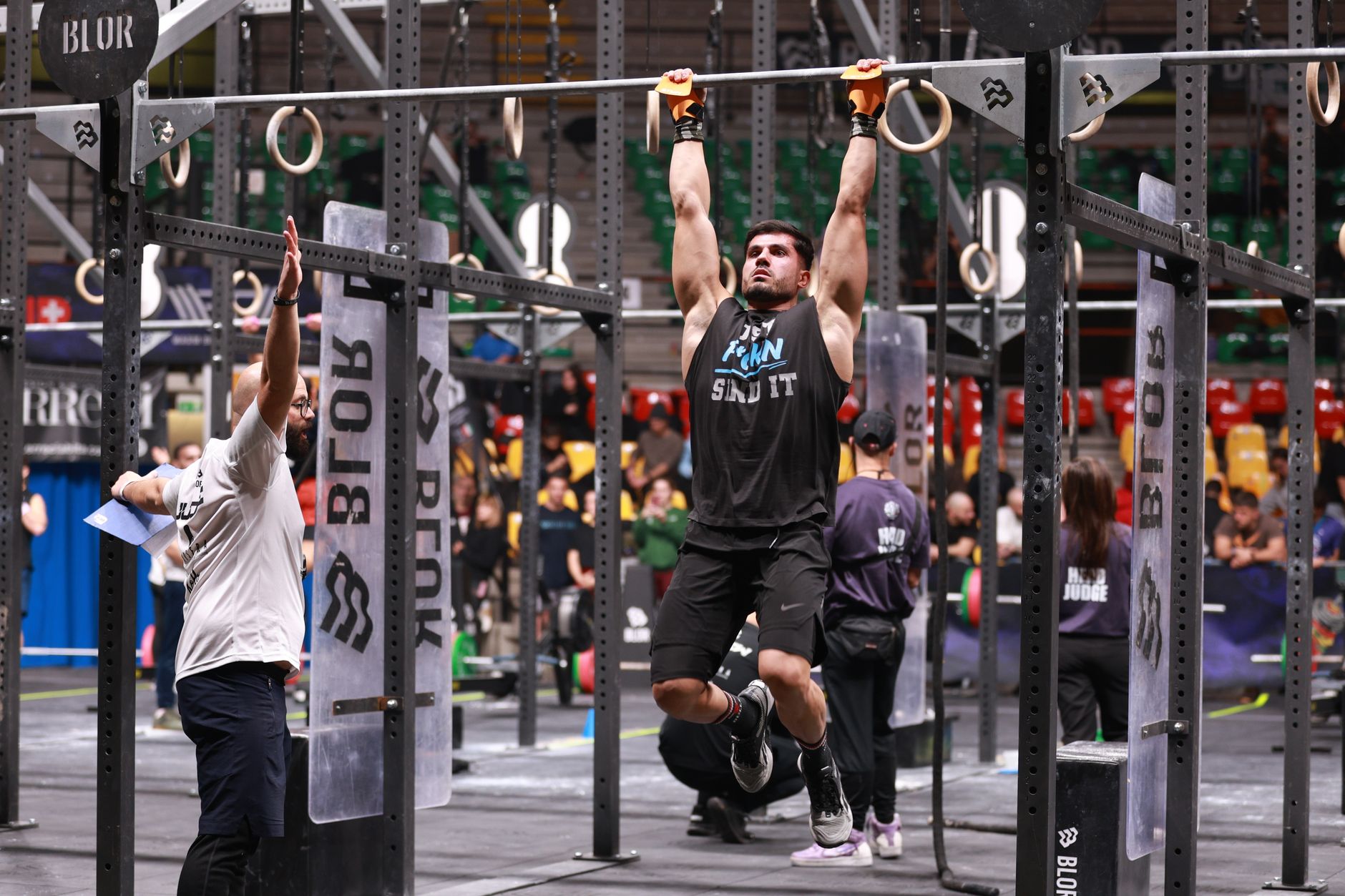
To optimize your kettlebell training, consider structuring your workouts around the following principles:
- Progressive Overload: Gradually increase weights or repetitions to push your limits and stimulate muscle growth.
- Variety: Incorporate a range of exercises to target different muscle groups and maintain engagement.
- Consistency: Aim to train at least 3 times a week for noticeable improvements in strength and conditioning.
Sample Weekly Kettlebell Training Program
Here’s a sample week to get you started:
- Day 1: Kettlebell Swing, Goblet Squat, Kettlebell Press
- Day 2: Kettlebell Deadlift, Kettlebell Snatch, Turkish Get-Up
- Day 3: HIIT workout with kettlebells: 30 seconds work, 30 seconds rest.
The Benefits of Kettlebell Training
Enhancing Athletic Performance
Research indicates that kettlebell training can translate to improved athletic performance across various sports. A study in the Journal of Sports Science showed that athletes who incorporated kettlebell exercises experienced significant boosts in strength, power, and endurance.
Boosting Metabolism and Weight Loss
The dynamic nature of kettlebell workouts provides not only strength benefits but also aids in calorie burning, making it effective for weight loss. During a 20-minute kettlebell session, individuals can burn hundreds of calories, depending on their intensity and weight used.
Common Mistakes to Avoid
Lack of Balance in Programming
One common error is focusing solely on certain muscle groups while neglecting others. Ensure your program includes upper body, lower body, and core exercises.
Ignoring Form and Technique
Poor form can lead to injuries. Always prioritize proper technique over lifting heavier weights.
How to Track Progress and Adapt
Keep a workout journal documenting your weights, reps, and sets. This reflection can help in adjusting your program to continue making gains.
FAQs
How often should I train with kettlebells?
Aim for 3-4 times per week, allowing adequate recovery between sessions for optimal muscle growth and strength gains.
Can kettlebell training replace traditional weight training?
Absolutely! Kettlebell training can effectively complement or even replace traditional strength training by providing dynamic movements that engage multiple muscle groups.
What’s the best way to warm up for kettlebell workouts?
Dynamic stretches and light cardio are ideal to prepare your muscles and joints for the demands of kettlebell training.
Are kettlebells suitable for beginners?
Yes! With proper guidance, kettlebells can be an excellent choice for beginners. Start with lighter weights and focus on form.
Conclusion
Incorporating kettlebell training into your fitness regimen can significantly enhance your functional strength, improve athletic performance, and forge a lean, resilient physique. Start your kettlebell journey today and explore the possibilities at ElitePTS, where our expert trainers can help tailor a kettlebell program to your specific goals.