


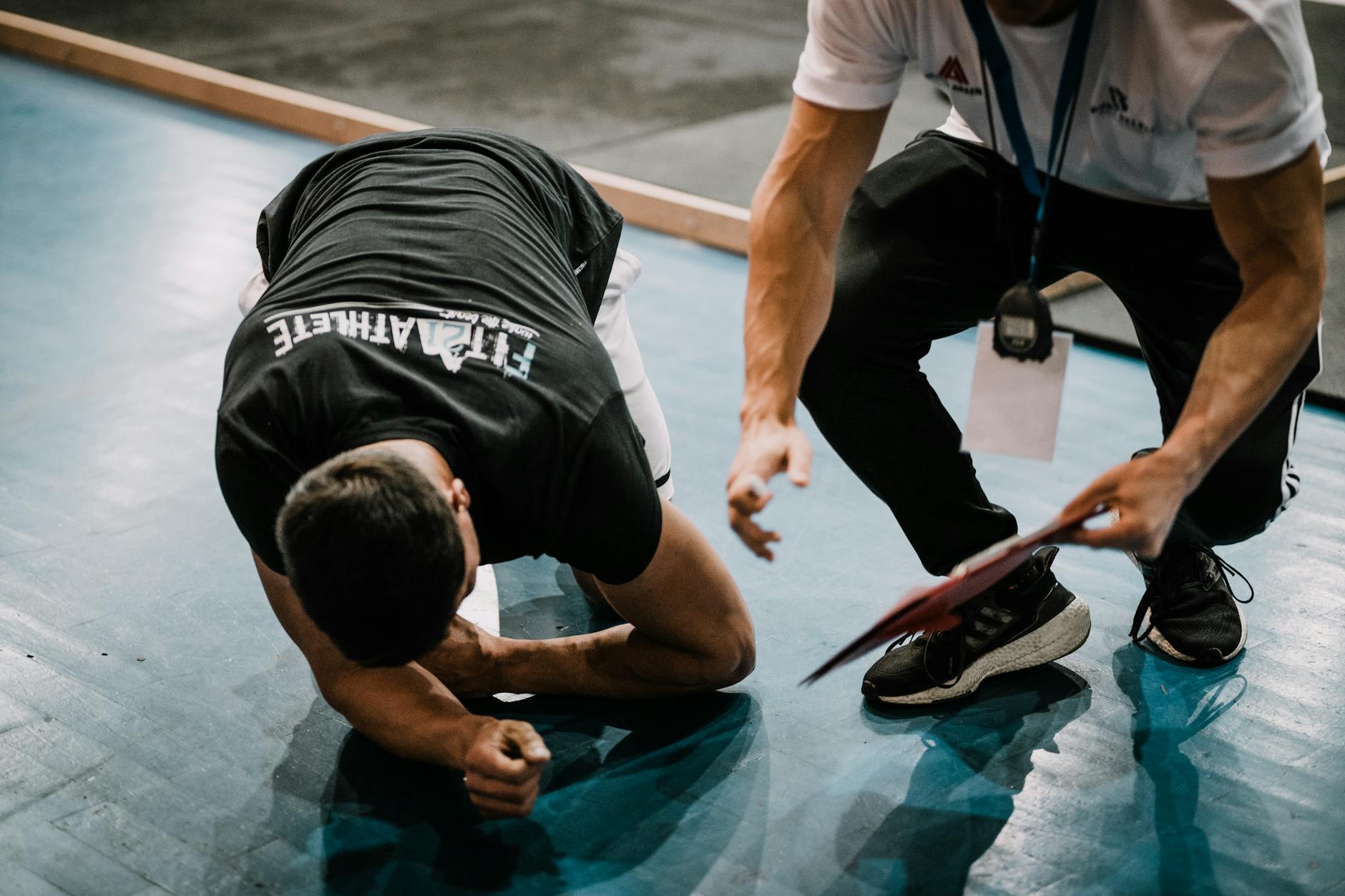
Managing Client Progress With Fitness Progress Tracking
The best coaches do not guess; they measure, review, and adjust. If you want better client results, fewer plateaus, and more confident programming decisions, fitness progress tracking is the lever that turns hard work into visible progress.
Most clients do not fail because the program was terrible. They fail because nobody caught the warning signs early enough: missed sessions, dropping readiness, stagnant load progression, poor recovery, or low adherence to nutrition targets. That is where data-driven training becomes a coaching advantage. Good tracking does not mean drowning in spreadsheets. It means collecting a small set of high-value metrics, reviewing them on the right timescale, and using clear decision rules to adjust volume, intensity, calories, cardio, and recovery. For coaches, athletes, and general population clients, the goal is the same: turn information into action. In this guide, you will learn exactly what to track, how often to track it, how to use client management software without creating friction, and how to make smarter training decisions that produce legitimate gains.
Why data-driven training beats guesswork
Track behaviors before outcomes
Body fat loss, muscle gain, and strength PRs are lagging indicators. They show you what happened after days or weeks of behaviors accumulated. Smart coaches focus first on leading indicators: training session completion, daily steps, protein intake, sleep duration, session RPE, and recovery scores. If a client is only completing 3 of 5 planned sessions and averaging 5.5 hours of sleep, you do not need to wait three weeks for the scale to stall before acting.
A practical system is to score four key behaviors each week on a 0-2 scale: training adherence, nutrition adherence, sleep, and recovery. A score of 0 means poor, 1 means inconsistent, and 2 means on target. If the weekly total is under 6/8, do not change the program yet; fix behavior execution first. This one rule prevents overreacting to short-term noise and keeps the coaching conversation focused on what the client can control.
Use leading and lagging indicators together
The strongest dashboards combine both types of data. For a hypertrophy client, leading indicators might be completed sets, proximity to failure, protein intake, and sleep. Lagging indicators would be weekly average body weight, circumference measurements, progress photos, and estimated rep strength. For a fat-loss client, use the same logic but prioritize calorie adherence, steps, and scale weight trends. For athletes, pair performance data with readiness and training load.
Think in decision windows. Behavior data should be reviewed daily or weekly. Body composition trends need 2-4 weeks. Strength trends often become clearer over 3-6 exposures to a lift. When coaches zoom out and use rolling averages, they stop making emotional changes based on one bad day. If you want a tighter progression model, read this guide to progressive overload for a clear framework on when to add load, reps, or volume.
Research from Foster and later training-load literature consistently supports session-RPE multiplied by session duration as a valid, low-cost method for monitoring internal load across many sports and training environments.
The minimum dashboard for fitness progress tracking
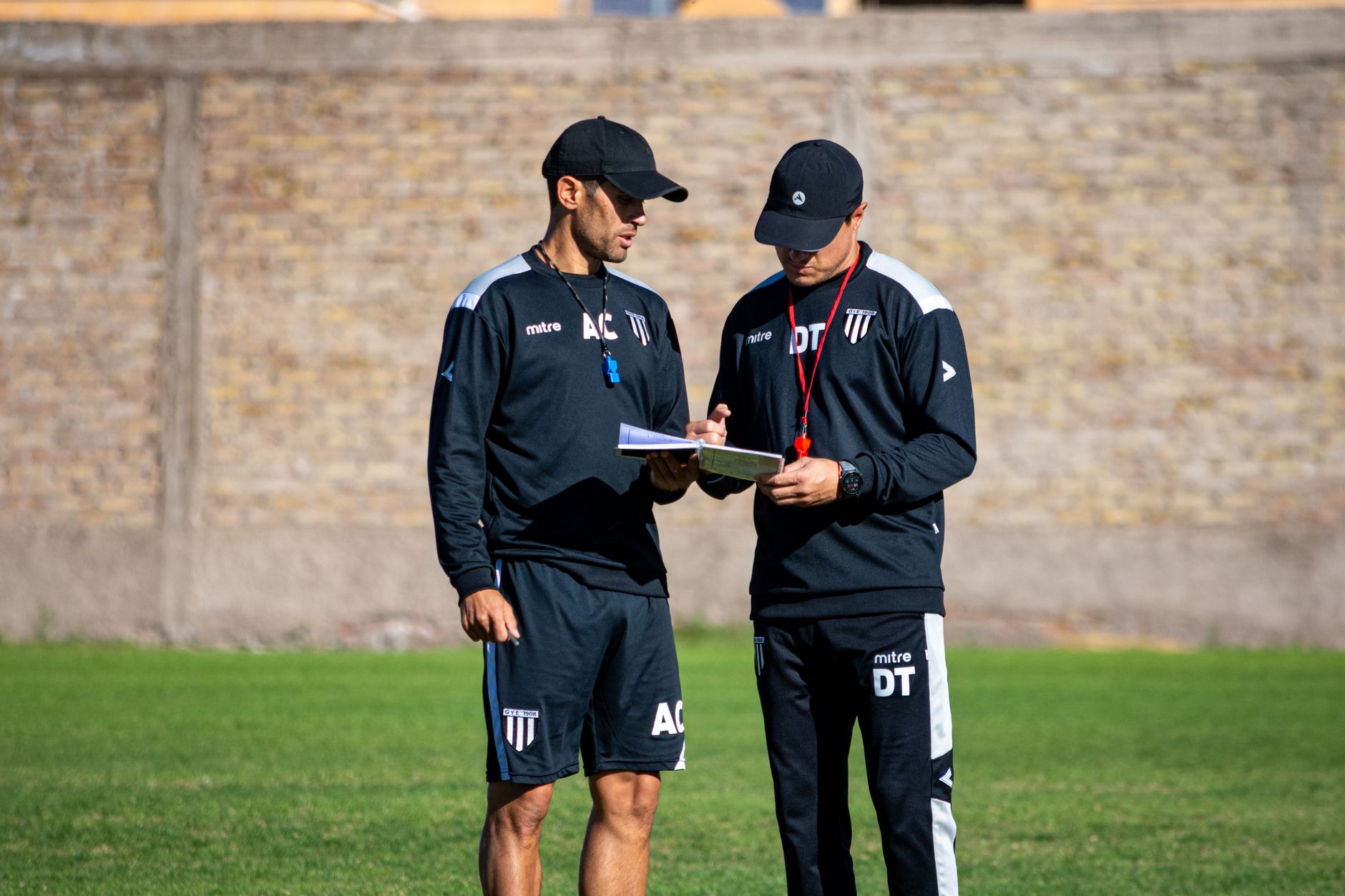
Five metrics almost every coach should collect
You do not need 30 metrics. You need the minimum effective dashboard. For most clients, five categories cover nearly everything that matters: body composition, performance, adherence, recovery, and training load. These metrics are cheap, repeatable, and useful in real coaching decisions.
Start with the following:
- Body weight: 3-7 morning weigh-ins per week, then use the weekly average.
- Circumference: waist, hips, or limb measurements once per week.
- Performance: top set load, reps, and RPE on 2-4 anchor lifts.
- Adherence: completed sessions, step count, and protein/calorie compliance.
- Recovery: sleep hours plus a 1-5 readiness score.
These five data points let you answer the most important coaching question: is the client not progressing because the plan is wrong, or because execution is inconsistent? For coaches using RPE-based programming, this breakdown of RPE vs percentage-based training helps define better strength markers to track from week to week.
Metrics to add for athletes and advanced lifters
Higher-level athletes may need more sport-specific tracking. Useful add-ons include countermovement jump height, sprint times, bar speed, resting heart rate, HRV, menstrual cycle notes, and subjective soreness by muscle group. The key is relevance. If a metric does not influence a real programming decision, it is just digital clutter.
A simple advanced protocol works well: test jump height 2-3 times per week before warm-up, record resting heart rate each morning, and monitor training monotony using session-RPE load across the week. If jump height drops more than 5%, resting heart rate rises 5-8 bpm above baseline, and soreness stays high for 2-3 days, reduce lifting volume by 20-30% for 3-5 days. If you coach field-sport athletes, pairing this with recovery monitoring strategies on Peak can sharpen return-to-performance decisions.
How to collect high-quality data without annoying clients
Standardize the measurement conditions
Bad data creates bad decisions. The easiest way to improve accuracy is to standardize when and how measurements are taken. Body weight should be recorded in the morning after using the washroom and before food. Progress photos should use the same lighting, distance, poses, and time of day. Performance testing should follow the same warm-up and exercise order. Even one inconsistency can make normal noise look like meaningful change.
Give clients a written measurement checklist they can save on their phone. Keep it simple: weigh before breakfast, measure waist at the navel, take front-side-back photos weekly, log top sets immediately after training, and submit the check-in at the same time each evening. Coaches who tighten the process get better data with less confusion. For physique clients, consistent nutrition behavior matters just as much as consistent measurement, so this article on nutrition for muscle growth can help align food intake with the numbers you are seeing.
Build a 60-second daily check-in
Compliance rises when tracking is fast. A strong daily check-in takes under 60 seconds and asks only what matters. A proven template is: sleep hours, readiness score 1-5, soreness 1-5, stress 1-5, body weight, and whether yesterday's nutrition target was hit. That is enough to spot fatigue, under-recovery, and falling adherence before progress stalls.
One useful coaching hack is the red-yellow-green system. Green means readiness 4-5 with normal performance; run the session as written. Yellow means readiness 3 with elevated soreness or stress; keep intensity but trim 1-2 sets from secondary work. Red means readiness 1-2 for two straight days or a major performance drop; lower volume 30% and keep 2-4 reps in reserve. Sleep often drives these changes, which is why sleep and performance education can dramatically improve the quality of the data you collect.
Turning raw numbers into data-driven training decisions
Use decision rules instead of intuition
Good coaches do not just collect data; they pre-decide what each metric means. That is the real power of data-driven training. Build simple if-then rules. Example for hypertrophy: if body weight has not increased for 14 days, gym performance is flat, and nutrition adherence is at least 85%, increase calories by 150-250 per day. Example for fat loss: if weekly average weight has not dropped for 2 weeks, steps are already above 8,000, and adherence is above 90%, reduce calories by 150-200 per day or add 15-20 minutes of cardio 2-3 times weekly.
For strength clients, use anchor lift trends. If estimated 1RM or rep performance on a main lift drops more than 3% across two exposures and readiness is poor, reduce total weekly hard sets by 20-30% and cap main work at RPE 7-8 for one microcycle. If performance is stable and RPE is lower than expected, add 2.5-5% load or one extra set. These rules remove emotion and help coaches act earlier.
Review trends on the right timescale
Daily data is noisy. Weekly data is useful. Monthly data reveals patterns. Coaches should use all three layers. Daily numbers flag issues. Weekly averages guide small adjustments. Monthly audits decide whether the broader plan is working. This prevents the classic mistake of changing macros, volume, or exercise selection after one bad weigh-in or one weak session.
A practical review rhythm is a 10-minute Monday audit. Check weekly body-weight average, session completion rate, step average, key lift performance, and average readiness. Then classify the client into one of three categories: progressing, maintaining, or slipping. If slipping, identify whether the cause is execution, recovery, or programming. Deloads should also be evidence-based rather than random, and this deload guide gives coaches a useful framework for when performance and fatigue data start diverging.
Using client management software to automate the process
What good client management software should do
The best client management software reduces friction for both coach and client. It should centralize workouts, check-ins, progress photos, exercise videos, notes, habit tracking, and alerts. You want one clean workflow, not five different apps creating more admin than insight.
Prioritize software that includes:
- Custom forms for daily and weekly check-ins
- Dashboard views for trends in body weight, performance, and adherence
- Automated reminders for missed logs or check-ins
- Flagging rules for low readiness, missed sessions, or plateaued metrics
- Coach notes tied directly to training blocks and client history
If the platform cannot help you see trends in under 30 seconds, it is not a coaching asset; it is a filing cabinet. Great systems make it obvious who needs a nudge, who needs a deload, and who is ready to push.
Automation tricks that save coaching time
Automation does not replace coaching; it protects coaching time for higher-value decisions. Build onboarding templates that collect baseline body weight, girths, movement videos, injury history, sleep, and goal timelines. Set automatic messages if a client misses two logs in a row. Create saved scorecards for fat loss, hypertrophy, and return-to-training clients so you are not rebuilding the dashboard every time.
A useful trick is the 3-tier alert system. Tier 1 is informational: one missed log or a small body-weight fluctuation. Tier 2 needs a message: two missed sessions, three low-readiness days, or no performance progression for two weeks. Tier 3 needs a plan change: repeated plateau with high adherence, persistent fatigue, or pain. That structure keeps the software practical instead of passive. Coaches who want to level up their systems thinking should spend time inside the broader education ecosystem at ElitePTS Articles, where evidence-based coaching systems can be applied across populations.
Common tracking mistakes that stall progress
Collecting too much data and using none of it
The most common mistake is overbuilding the dashboard. Coaches track HRV, morning pulse, bar speed, body comp scans, mood, soreness, calories, hydration, GPS load, and sleep stages, then never use half of it. More data does not automatically mean better coaching. In fact, too much noise often delays decisions because every metric says something slightly different.
Use one primary KPI per goal and 2-3 supporting metrics. For fat loss: weekly average body weight, waist measurement, and adherence. For hypertrophy: body weight, performance on anchor lifts, and photos. For strength: top-set performance, session RPE load, and readiness. If a metric does not change a prescription, delete it for 30 days and see if results improve.
Ignoring context, psychology, and adherence
Data without context can make a good coach look foolish. A weight spike after a restaurant meal is not fat gain. A performance drop during travel, illness, exams, or high work stress is not always poor programming. Female clients may see meaningful fluctuations across the menstrual cycle. Medication changes, poor hydration, and reduced sleep can also distort the numbers.
Always pair the dashboard with one open-ended question: "What happened this week that the numbers do not show?" That line catches life stress, pain, motivation dips, and schedule changes early. The best data systems stay human. They do not punish clients for imperfect weeks; they help coaches make the next best decision.
FAQ
How often should coaches review client data?
Use three layers. Review automated alerts daily, review weekly averages once per week, and run a deeper program audit every 4 weeks. Daily review is for catching problems early. Weekly review is for small changes to calories, steps, or accessory volume. Monthly review is for bigger decisions like changing exercise selection, rep ranges, or phase goals.
High-performance athletes may need more frequent review during competition or peaking blocks. General population clients usually do best with a simpler weekly rhythm that does not create anxiety around every single weigh-in or workout.
What is the best metric for fat-loss clients?
The best single metric is the 7-day average body weight, not one scale reading. Pair it with waist circumference and adherence to calories, protein, and steps. This combination shows whether the client is actually losing tissue and whether the process is sustainable.
If weight is stable but waist is dropping and gym performance is holding, progress is still happening. That is why using one number in isolation often leads to bad adjustments.
Do you need wearables for data-driven training?
No. Wearables can be useful, but they are not required for effective data-driven training. Session RPE, training log performance, body weight, steps, sleep hours, and a basic readiness score will solve most coaching problems at a very low cost.
Add wearables only when the data changes decisions. If HRV or sleep staging is interesting but never influences your programming, it is optional, not essential.
How do you handle non-compliant clients?
First, reduce friction. Shorten the check-in, simplify habits, and focus on 2-3 non-negotiables: hit protein, complete planned sessions, and log body weight. Many clients are not resistant; they are overwhelmed. Better systems usually improve compliance faster than stronger lectures.
Second, separate adherence from outcomes. If compliance is below 80%, coach behavior first instead of changing the plan. Set a one-week reset target and review only the behaviors that matter most.
What should be included in a first-week baseline assessment?
Collect baseline body weight, circumference, progress photos, injury history, current training age, schedule constraints, step average, sleep average, and performance on 2-4 anchor lifts. For athletes, add sport demands, practice schedule, and recent fatigue history.
Keep the baseline simple enough to repeat. A measure is only valuable if you can collect it consistently and compare it across time under similar conditions.
Conclusion
Fitness progress tracking is not about making coaching more complicated. It is about making decisions clearer. The best coaches choose a small set of high-value metrics, collect them consistently, and use simple rules to act fast. That is how data-driven training becomes real-world progress instead of spreadsheet theatre. Whether you coach fat loss, hypertrophy, strength, or sport performance, the formula is the same: track leading and lagging indicators, standardize collection, review trends weekly, and use client management software to automate what does not require human judgment.
If you want more evidence-based coaching systems you can apply immediately, visit ElitePTS and explore the Elite Catalyst library. The goal is simple: turn better data into better training decisions, and turn better decisions into guaranteed gains.