


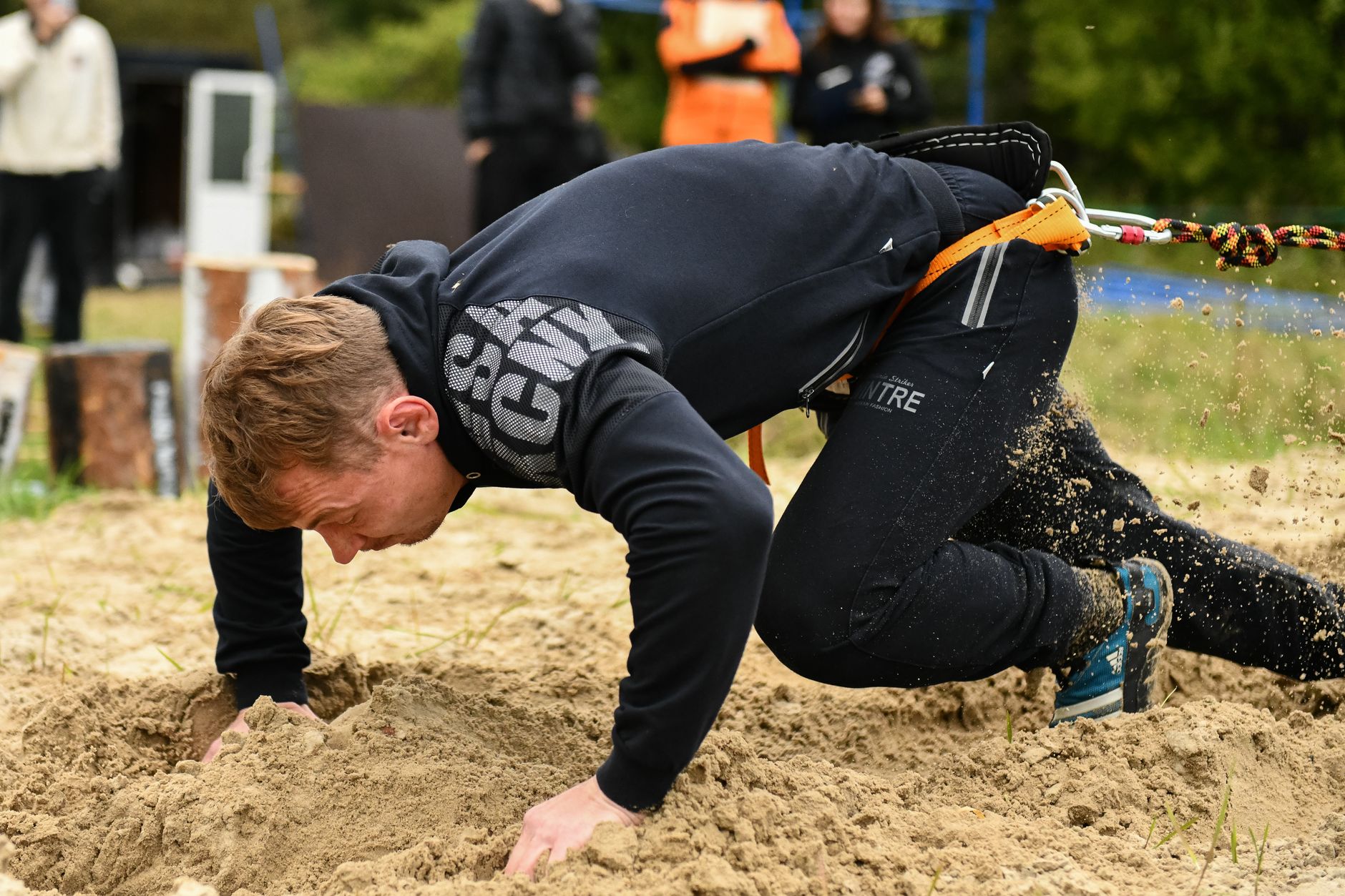
Introduction: Conquering the Mental Game of Sports
In the world of sports and fitness, a significant component of performance often lies not just in physical training but in mental preparedness. Training anxiety and competition nerves can impact athletes at every level, from casual participants to elite competitors. Understanding how to manage these feelings can be the key to unlocking your true potential.
Understanding Training Anxiety

Training anxiety is characterized by feelings of unease or apprehension before, during, or after training sessions. This can stem from various sources, such as fear of failure, pressure to perform, or negative self-talk.
Symptoms of Training Anxiety
- Increased heart rate
- Excessive sweating
- Negative thoughts about performance
- Difficulty concentrating
The Science Behind Training Anxiety
Research indicates that training anxiety may be linked to the body's fight-or-flight response, releasing adrenaline and cortisol that can hinder performance. Understanding this biological response is crucial in learning to cope.
Common Triggers for Training Anxiety
- High expectations from self and others
- Past negative experiences
- Fear of judgment from peers or coaches
What Are Competition Nerves?

Feeling competition nerves is natural for athletes. However, the way these nerves are managed can drastically influence performance. Generally, competition nerves can lead to a heightened state of alertness, which can be beneficial if handled correctly.
Physical and Mental Manifestations of Competition Nerves
- Butterflies in the stomach
- Increased perspiration
- Heightened focus or distraction
Why DO Athletes Experience Competition Nerves?
Competition nerves often stem from the pressure of performing, particularly in high-stakes situations. Factors like audience presence, personal expectations, and even environmental conditions can amplify these feelings.
Positive vs. Negative Nerves
- Positive nerves: Can enhance focus and energy levels.
- Negative nerves: Can lead to performance anxiety and hinder execution.
Strategies for Managing Nerves and Anxiety
Recognizing and managing training and competition nerves effectively is essential for any athlete. Here are several scientifically-backed strategies.
1. Mental Preparation Techniques
- Visualization: Picture yourself succeeding. Studies have shown this enhances confidence and performance.
- Affirmations: Use positive self-talk to combat negative thoughts. Phrases like "I am prepared and capable" can be powerful.
2. Breathing Exercises
Controlled breathing can help to lower anxiety levels. A simple technique involves inhaling deeply for four seconds, holding for four seconds, and exhaling for six seconds.
3. Pre-Competition Routines
- Establish a calming routine that signals your body it’s time to compete. This might include listening to music, foam rolling, or meditative practices.
4. Physical Fitness and Recovery
Regular strength training and a consistent recovery plan can improve physical readiness, thereby reducing the anxiety associated with performance.
5. Reframe Performance Anxiety
Shift your perspective by seeing nerves as excitement rather than fear. This could alter how your body responds on competition day.
Building Mental Toughness
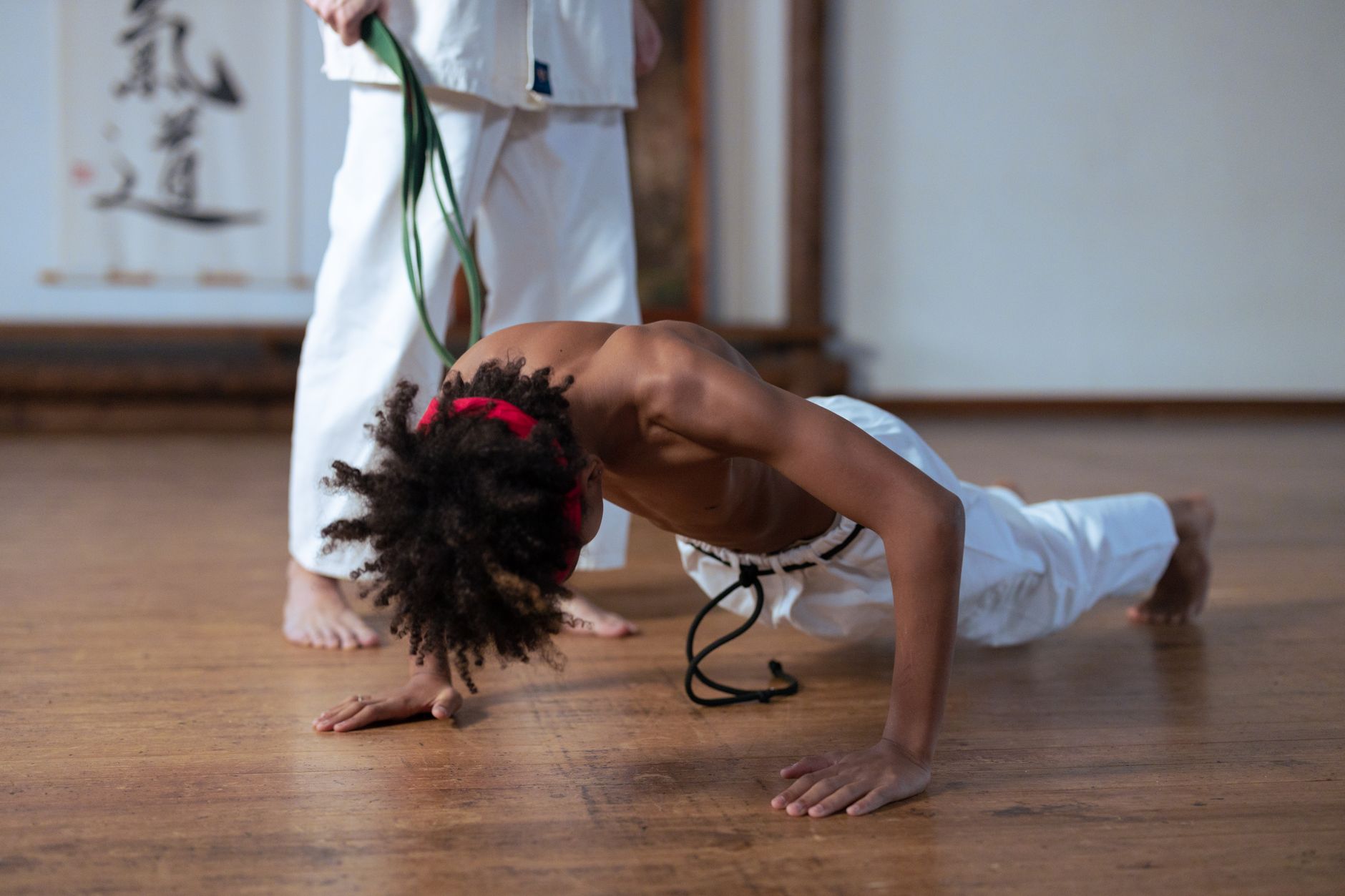
Mental toughness refers to the ability to cope with pressure, adversity, and challenges in sport. Building this resilience is critical for long-term success.
Techniques to Enhance Mental Toughness
- Set realistic goals: Break down your performance objectives into manageable steps.
- Practice resilience: Engage in challenging scenarios during training to prepare for the unexpected.
Learning from Failure
Instead of fearing failure, frame it as a learning opportunity. Embrace mistakes as valuable experiences that contribute to your growth as an athlete.
The Role of Support Systems
- Engage with coaches, friends, and family who can provide encouragement and perspective.
Frequently Asked Questions
What are the best strategies to combat performance anxiety in sports?
Key strategies include visualization, breathing exercises, and establishing pre-performance routines. Practicing these techniques regularly can aid in managing anxiety effectively.
How does physical fitness impact training anxiety?
Regular physical activity and a solid recovery plan enhance physical and mental readiness, leading to lower anxiety levels during training and competition.
Can mental toughness be developed over time?
Yes, mental toughness can be cultivated through consistent practice of resilience, goal setting, and self-reflection on both successes and failures.
Is it normal to feel anxious before a competition?
Absolutely. Many athletes feel some level of anxiety; it's how you choose to manage these feelings that determines the outcome of your performance.
Conclusion: Start Managing Your Anxiety with ElitePTS
Understanding how to manage training anxiety and competition nerves is crucial for any athlete aiming for peak performance. The combination of practical strategies and mental conditioning can help change your relationship with anxiety, transforming it from a hindrance into a motivating force. To develop a personalized approach for your training regimen, reach out to us at ElitePTS today!