



Unlocking Your Athletic Potential Through Mobility Training
Imagine powering through your sport with unmatched efficiency, flexibility, and strength. This isn't just a dream; it's a goal that can be achieved through effective mobility training. Unlock your full range of motion to elevate your performance, prevent injuries, and enhance joint health. In this article, we’ll explore the vital role mobility training plays in achieving optimal athletic performance.
Introduction to Mobility Training

Mobility training is an essential component of an athlete's regimen, focusing on improving the body's ability to move freely and efficiently. It’s about increasing the joint's capacity to move within its full range while ensuring that the surrounding tissues support this movement properly. For athletes, inadequate mobility can lead to decreased performance and increased injury risk. Understanding the impact of mobility on flexibility for athletes, we will delve into how mobility affects your game and your overall joint health.
The Importance of Mobility for Athletes
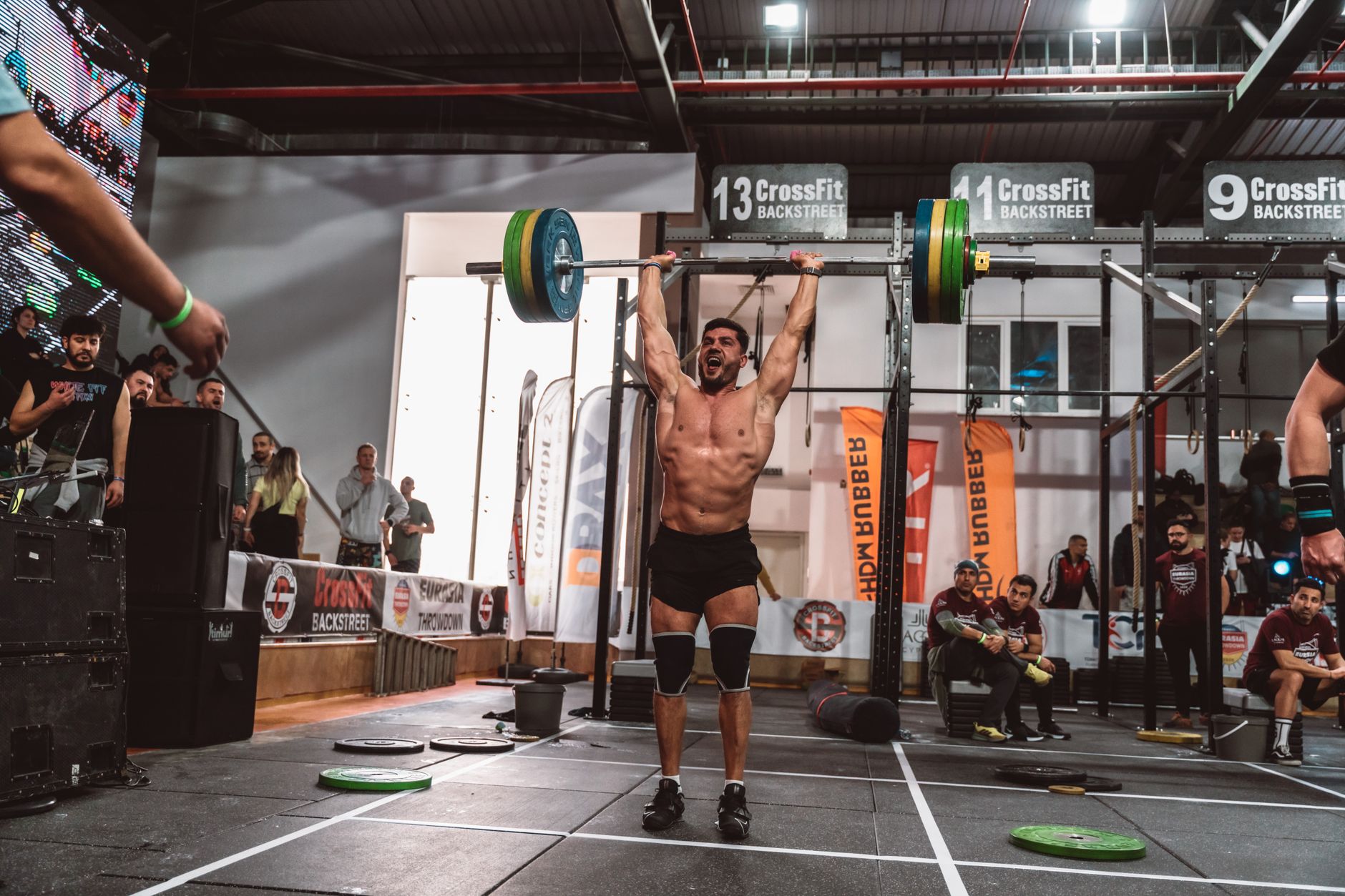
Understanding Mobility and Flexibility
Mobility and flexibility, while interconnected, are distinctly different concepts. Flexibility refers to the ability of muscles to stretch, whereas mobility emphasizes the ability of joints to move through their full range of motion. Proper mobility training enhances both attributes, benefiting athletes across all sports disciplines.
- Improved performance: Better mobility allows for more powerful and effective movements.
- Injury prevention: Enhanced joint health reduces the probability of injuries.
- Better recovery: Improved mobility can facilitate faster recovery from workouts or injuries.
Mobility and Joint Health
Regular mobility training can significantly influence joint health. When a joint moves effectively through its full range, it maintains synovial fluid circulation, which is crucial for joint lubrication and nutrient delivery. Establishing a strong foundation in mobility helps prevent conditions such as arthritis and tendonitis.
- Healthy joints reduce pain and discomfort, enhancing overall athletic performance.
- Well-maintained joints extend an athlete's competitive lifespan.
Key Components of Mobility Training
Dynamic Stretching vs. Static Stretching
Incorporating both dynamic and static stretching is essential for a comprehensive mobility training program. Dynamic stretches are best before workouts or competitions as they prepare the muscles and joints for action. Examples include leg swings and arm circles, which promote increased blood flow and improve range of motion.
- Dynamic stretching enhances functional flexibility.
- Static stretching is more effective post-exercise for long-term flexibility adaptation.
Active Recovery Techniques
Active recovery involves low-intensity activities performed after intense training to expedite recovery while maintaining mobility. Techniques such as yoga, foam rolling, and engaging in low-impact motion help to aid muscle recovery and enhance flexibility for athletes.
- Yoga improves flexibility and balances muscle tension.
- Foam rolling alleviates soreness and enhances circulation.
Implementing Mobility Training in Your Routine

Creating a Mobility Training Schedule
When considering how to incorporate mobility training into your regimen, it’s essential to establish a consistent schedule. Aim for at least 10-15 minutes of dedicated mobility work, ideally both before and after training sessions. A simple routine includes exercises targeting key joints such as hips, shoulders, and ankles.
- Pre-workout: Focus on dynamic movements relevant to your sport.
- Post-workout: Implement static stretching to ensure recovery and flexibility adaptation.
Exercises to Enhance Mobility
There are a variety of effective exercises that target different body parts to improve mobility. Here are a few to consider:
- Hip Openers: Moves like the pigeon pose or lunges.
- Shoulder Dislocates: Using a resistance band to improve shoulder mobility.
- Ankle Dorsiflexion: Wall stretches to improve ankle joint range.
How Mobility Training Enhances Athletic Performance
Increased Power and Efficiency
Enhancing your range of motion directly correlates with increased power output. When an athlete has optimal joint mobility, they can access their muscle’s full potential during explosive movements.
- Improved mechanical efficiency leads to better muscle coordination and energy use.
- Optimal joint positioning minimizes tension and strain during movement.
Coordination and Control
Enhanced mobility fosters improved coordination, which is essential for athletic performance. Athletes who prioritize mobility training can execute complex movements with greater control and dexterity.
- Good mobility allows for smooth transitions between movements.
- Maintaining balance and coordination can prevent falls and injuries.
Common Misconceptions About Mobility Training
Mobility vs. Flexibility
A common misconception is that mobility training is simply about stretching. However, mobility focuses on joint mechanics and functional movement patterns rather than just muscle elongation.
- Mobility incorporates strength, stability, and coordination into the equation.
- Flexibility can improve with mobility training but doesn't encompass the full scope.
The Role of Age in Mobility
Another misconception is the belief that mobility training is only for younger athletes. In reality, individuals at any age can enhance their joint health and flexibility through targeted mobility work.
- Aging often decreases range of motion, making mobility training crucial for older athletes.
- Consistent mobility work can help counteract age-related decline in flexibility.
FAQs About Mobility Training
How often should I perform mobility exercises?
The frequency of mobility exercises can vary based on individual needs, but aiming for daily practice—especially on training days—can yield benefits. Even brief sessions after workouts can help maintain flexibility.
Do I need special equipment for mobility training?
Many mobility exercises can be done with minimal equipment. A foam roller, resistance bands, and a yoga mat can enhance your routine, but many movements require only your bodyweight.
Can mobility training help with sports-specific movements?
Absolutely! Integrating mobility training into your sport-specific training can improve your movement patterns, allowing for more efficient and powerful executions of sport techniques.
What are quick mobility exercises I can do anywhere?
Simple movements like leg swings, shoulder rolls, and deep squats can be performed anywhere and provide significant benefits to your mobility.
Conclusion
Integrating mobility training into your athletic regimen is not just recommended; it’s essential for enhancing performance, optimizing joint health, and reducing injury risk. To begin your journey toward improved flexibility and range of motion, consider reaching out to certified professionals at ElitePTS. Don't leave your potential untapped; invest in your mobility today.