


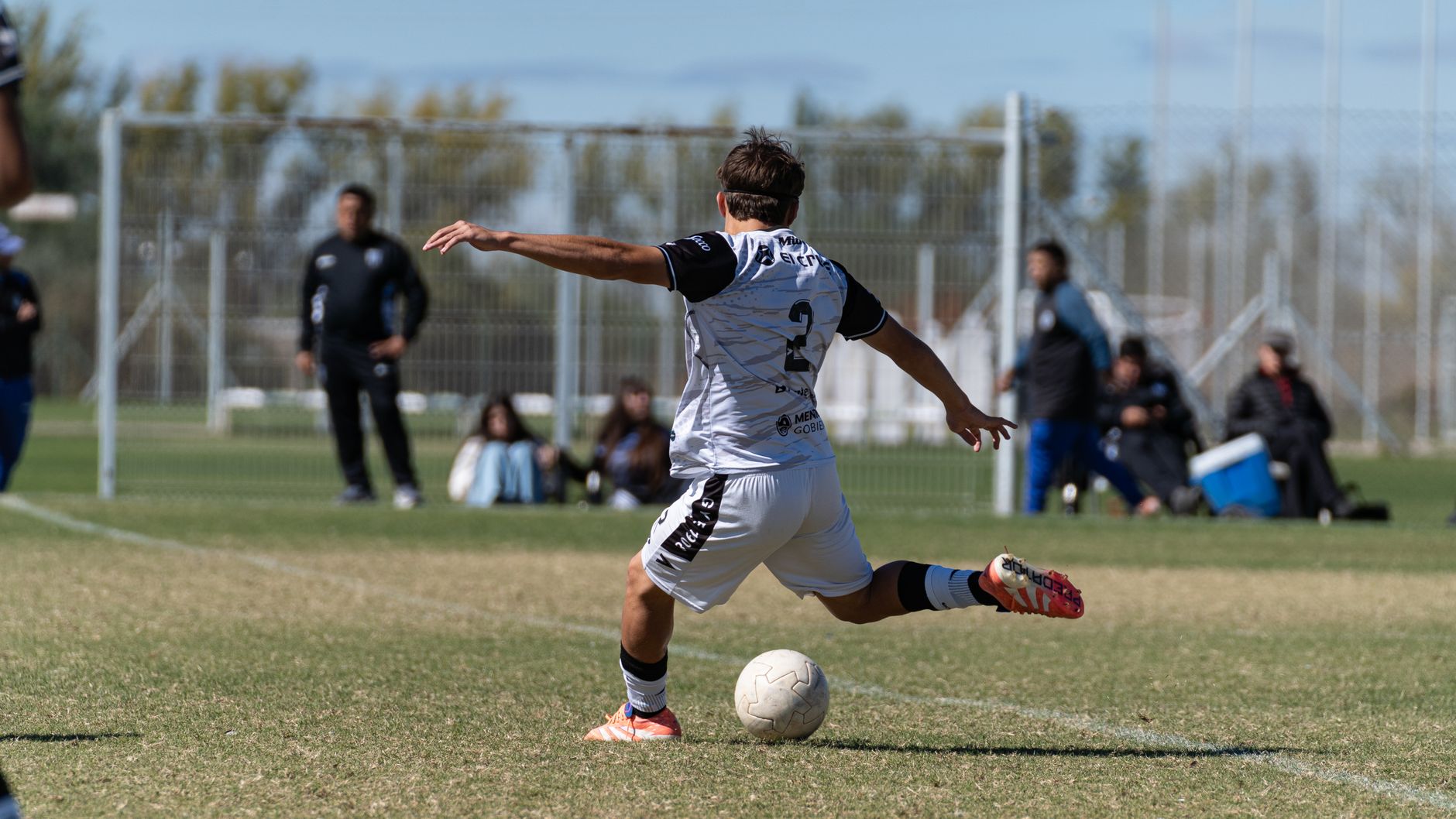
Mobility Training for Athletes: Unlock Your Full Range of Motion
Mobility training is often the missing link between strength you can display in the gym and performance you can actually use in sport. If you want better sprint mechanics, cleaner squat depth, stronger overhead positions, and more resilient joint health, your range of motion has to be both accessible and controllable.
For athletes, mobility is not just about touching your toes or surviving a yoga class. It is the ability to actively reach and own positions that your sport demands under speed, load, and fatigue. That distinction matters. A gymnast, pitcher, sprinter, and powerlifter all need different mobility profiles, but they all benefit from improving the quality of motion at the joints that drive performance. Effective mobility training blends flexibility, strength, motor control, and tissue tolerance so athletes can move efficiently without feeling loose or unstable. If you are already dialing in your warm-ups, pair this article with a dynamic warm-up for athletes to make your preparation more purposeful. Below, you will learn what the research actually supports, how to assess your own movement, and how to build mobility that carries over to competition.
The Science of Mobility Training and Range of Motion
Mobility is more than passive flexibility
Passive flexibility is how far a joint can be moved with outside help. Mobility is how much range of motion you can actively control with your own muscles. For athletes, that difference is everything, because sport happens in active positions, not passive ones.
That is why stretching alone rarely solves movement problems. If you gain a few degrees of motion but cannot stabilize or produce force there, your body often avoids that range under speed. Real mobility combines soft-tissue extensibility, joint mechanics, nervous-system tolerance, and end-range strength.
Why active range of motion drives performance
Better mobility can improve movement quality in squatting, sprinting, cutting, throwing, and landing. When an athlete lacks ankle dorsiflexion, for example, the body may compensate through the knee or low back, changing mechanics and reducing efficiency.
Research consistently shows that long-term stretching and mobility work can improve joint-specific ROM, while dynamic mobility before training is more supportive of power output than long static holds. Flexibility for athletes matters most when it helps them hit sport-specific positions without compensation.
A practical rule: the best mobility work increases usable motion without reducing stiffness where stiffness helps performance, such as sprinting, jumping, and change of direction.
Assess Before You Mobilize


Use simple movement screens to find your bottlenecks
You do not need a full biomechanics lab to assess mobility. A few repeatable screens can reveal the joints most likely limiting performance: a deep squat, half-kneeling ankle dorsiflexion test, active straight-leg raise, wall shoulder flexion test, and thoracic rotation check.
Look for asymmetries, compensation, and whether the restriction is active or passive. If you can get into a position when assisted but not on your own, the limiter is often strength or motor control rather than tissue length.
Identify whether the problem is tissue, technique, or stability
Not every mobility issue is a flexibility issue. A lifter who folds forward in the squat may blame tight hips, but the actual problem could be poor bracing, weak anterior core control, or lack of ankle motion. That is why guessing wastes time.
A useful checklist is:
- Can you access the position passively?
- Can you control it actively?
- Can you hold it under load?
- Can you repeat it when fatigued?
Answering those questions helps you choose the right tool: soft-tissue work, positional breathing, end-range isometrics, or loaded mobility drills.
Warm-Up Mobility Training That Transfers to Performance
Use dynamic mobility before speed, power, and lifting sessions
Before training, the goal is not to relax everything. The goal is to elevate temperature, open useful motion, and improve neural readiness. That makes dynamic mobility, not long static stretching, the better default for most explosive sessions.
Think leg swings, walking lunges with rotation, pogo hops, inchworms, adductor rock-backs, and band-assisted shoulder openers. For a field-sport athlete, five to eight targeted drills done with intent usually beat twenty minutes of random stretching.
Sequence matters more than most athletes think
Start with general movement, then joint-specific mobility, then activation, then speed or skill. A simple order is: raise temperature, mobilize, activate, potentiate. That structure prepares the body without creating fatigue.
If you want a better pre-lift flow, use mobility in the same logic as your main session. Pair ankle work before squats, thoracic and shoulder work before pressing, and hip mobility before sprint mechanics. For more ideas, see strength training for speed and power, where warm-up sequencing is tied directly to output.
Static stretching is not useless, but long holds immediately before maximal sprinting or jumping can temporarily reduce force output in some athletes. Save most longer stretching for separate sessions or post-training.
Build Flexibility for Athletes Through Strength
End-range isometrics and eccentrics create usable motion
One of the fastest ways to turn passive range into sport-ready mobility is to strengthen the end range. Isometrics teach the nervous system that a position is safe, while slow eccentrics build tissue capacity and control through lengthened positions.
Good examples include split-squat isometric holds, heel-elevated calf eccentrics, Copenhagen adductor lowers, and controlled articular rotations. These methods are especially useful when an athlete feels mobile during stretching but loses that motion during loaded movement.
Loaded mobility beats endless stretching for many athletes
Mobility training works best when it respects force production. Goblet squats with a pause, lateral lunges, deficit reverse lunges, and landmine rotations all improve joint health while teaching the body to own new positions under load.
This is where old-school strength culture still gets it right: strong positions are durable positions. If you want a deeper education on training principles that support durable movement, explore ElitePTS education resources alongside your mobility work.
Joint Health Priorities for Athletes by Region
Ankles and feet: the foundation of force transfer
Limited ankle dorsiflexion commonly shows up as heel lift, knee collapse, shortened stride mechanics, or forward torso lean. That can affect squats, deceleration, and change of direction. For most athletes, ankles are one of the highest-return places to start.
Use knee-over-toe dorsiflexion drives, calf eccentrics, tibialis raises, and split-squat holds with the heel down. If squat depth is your issue, pair this guide with ankle mobility for squat depth and retest after two weeks.
Hips: rotation, extension, and adductor capacity
Hip mobility is not just about external rotation for squatting. Athletes also need extension for sprinting, internal rotation for cutting and rotational mechanics, and adductor strength to tolerate lateral movement. Many groin issues are capacity issues, not simple tightness.
Prioritize 90/90 transitions, adductor rock-backs, front-foot-elevated split squats, and lateral lunges with long pauses. A sprinter who improves hip extension and front-side mechanics may immediately feel cleaner projection angles and less low-back extension during acceleration.
Thoracic spine and shoulders: overhead freedom without lumbar compensation
Overhead athletes, lifters, swimmers, and grapplers all benefit from a mobile thoracic spine and shoulders that can upwardly rotate well. When the thoracic spine is stiff, athletes often steal motion from the lumbar spine or front of the shoulder.
Use quadruped thoracic rotations, wall slides, serratus-focused reaches, and controlled overhead carries. A simple real-world example: many athletes who cannot press overhead cleanly improve quickly when they combine thoracic extension mobility with upward-rotation strength rather than only stretching the lats.
How to Program Mobility Training Across the Week
Use short daily doses and longer targeted sessions
The best mobility plan is usually small, frequent, and specific. Five to ten minutes in warm-ups plus two dedicated twenty-minute sessions each week is enough for noticeable change if your exercise selection is focused.
A simple weekly structure looks like this:
- Daily: 1-2 drills for your main restriction during the warm-up
- 2 times per week: 15-20 minutes of targeted mobility and end-range strength
- Post-training: brief static stretching for tissues that stay overactive or limited
- Every 2 weeks: retest your key movement screens
To organize mobility alongside heavy lifting and conditioning, review periodization for athletic performance so recovery and adaptation stay aligned.
Match the protocol to the sport and season
In-season athletes should bias maintenance: low fatigue, high specificity, and just enough volume to keep ranges available. Off-season athletes can push harder with loaded mobility, eccentrics, and longer holds because they have more recovery bandwidth.
A baseball pitcher may emphasize shoulder rotation, scapular control, and thoracic mobility. A powerlifter may focus on ankles, hips, and T-spine for better setup positions. A soccer athlete may need adductor resilience and ankle stiffness balance. To support recovery between sessions, see recovery strategies for athletes.
Frequently Asked Questions
How often should athletes do mobility training?
Most athletes respond well to near-daily exposure, but that does not mean long sessions every day. Frequent low-dose work builds better habits and usually creates more sustainable improvements in range of motion.
Use five to ten minutes in warm-ups, then add two more focused sessions weekly. If a restriction is severe or tied to pain, get assessed by a qualified clinician or coach.
Is flexibility the same as mobility?
No. Flexibility is your potential range, usually measured passively. Mobility is your ability to actively control that range and express force there.
For athletes, mobility is more valuable because sport requires strength, timing, and coordination inside the motion you own. Passive stretching helps, but it is only one piece of the equation.
Can too much mobility make you weaker or less explosive?
Too much poorly timed stretching can temporarily reduce output, especially if you perform long static holds right before explosive training. That is a programming issue, not proof that mobility is bad.
When mobility training includes dynamic prep, end-range strength, and sport-specific loading, it usually supports performance rather than hurting it. The key is matching the method to the goal and timing.
What is the fastest way to improve a stubborn restriction?
Pick one joint, one test, and two or three drills that address the actual limiter. Then practice them consistently for two to four weeks instead of constantly switching methods.
A strong formula is breathing or positional work first, then a mobility drill, then an end-range strength exercise, then a loaded pattern that uses the new range. Retest after each session so you know whether it is working.
Conclusion
Mobility training should make you more athletic, not just more bendy. The goal is to improve range of motion, build stronger positions, and protect joint health in ways that transfer directly to lifting, sprinting, jumping, and sport skill. That is why the best approach blends dynamic preparation, end-range strength, targeted loading, and consistent reassessment.
If you are serious about improving movement quality and building real flexibility for athletes, stop treating mobility as an afterthought. Make it part of your weekly performance plan, track it like any other training variable, and focus on the joints that actually limit your output. For more high-level coaching and science-backed performance resources, visit ElitePTS and explore more training articles at Peak.ElitePTS.com.