



Introduction
Are you a personal trainer looking to expand your business through strategic partnerships? Negotiating gym partnerships and laying out revenue share agreements can be the key to professional growth and financial success. Yet, these discussions can often feel daunting. How do you ensure that both parties benefit from the deal? What factors should you consider? This guide will teach you how to negotiate a gym partnership effectively while maximizing your potential revenue.
Understanding Gym Partnerships
What is a Gym Partnership?
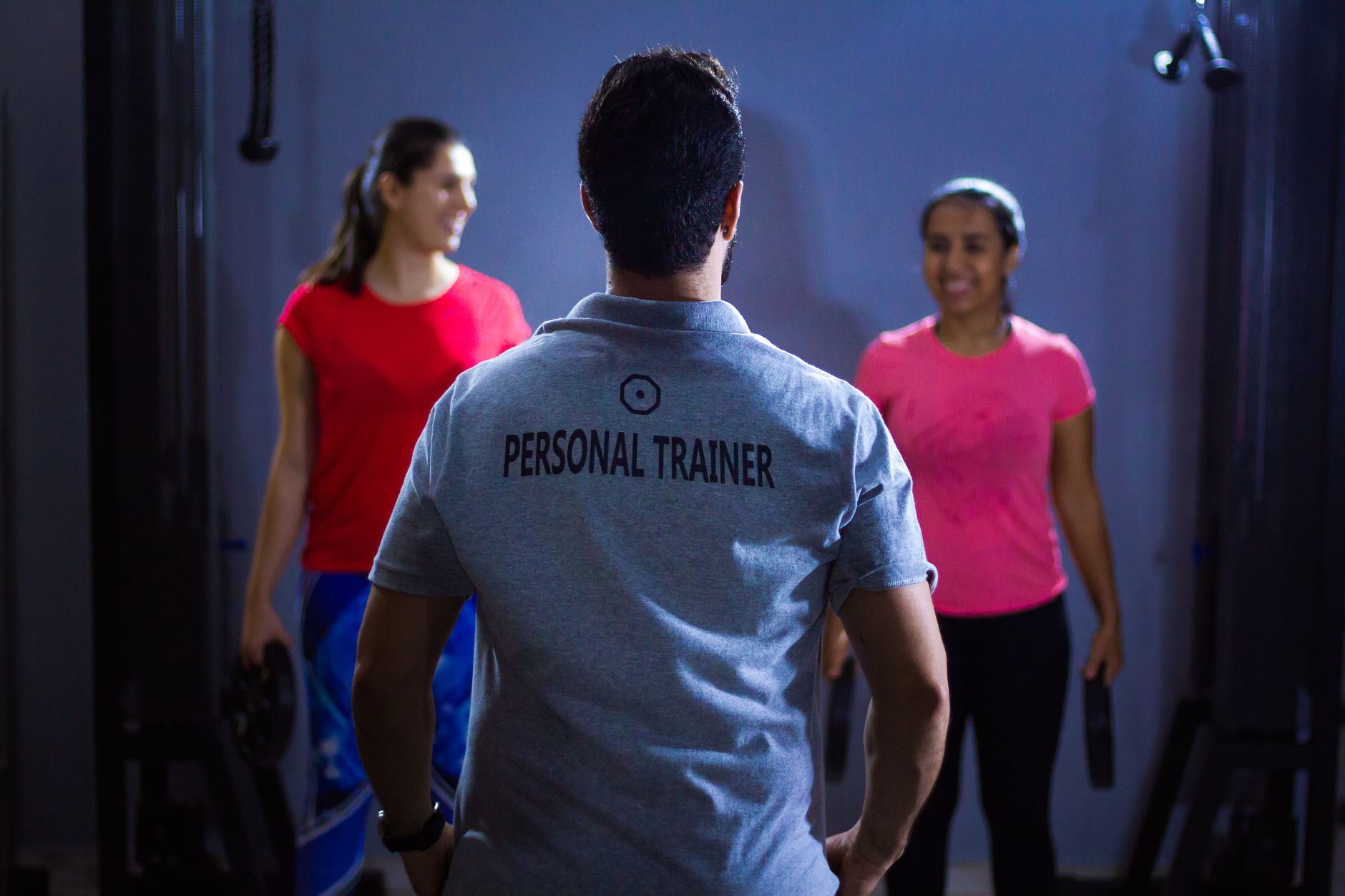
A gym partnership occurs when a personal trainer (PT) collaborates with a gym to offer training services. This includes various arrangements, such as renting space, revenue-sharing deals, or conducting classes. The goal is to foster a mutually beneficial relationship where both the trainer and the gym profit.
The Importance of Partnerships in Fitness
- Increased Client Base: Partnering allows trainers to tap into the gym's existing clientele.
- Shared Resources: Collaborating can lead to resource sharing, whether in marketing or equipment.
- Enhanced Reputation: Working with a reputable gym can elevate a trainer's status in the community.
Types of Revenue Share Agreements
Commission-Based Revenue Share
In a commission-based structure, trainers receive a percentage of the revenue generated from their sessions. This arrangement varies significantly depending on the gym's standard practices and the trainer's negotiation skills.
- Pros: Lower upfront costs for trainers and the potential for high earnings.
- Cons: Variability in income based on client volume.
Flat Rate Agreements
With flat rate agreements, trainers pay a predetermined fee to the gym in exchange for space and resources. This upfront cost can provide stability in planning income and expenses.
- Pros: Predictable financial obligations and the freedom to train as many clients as desired.
- Cons: Higher initial costs can be a barrier for new trainers.
Key Factors to Consider in Negotiation
Evaluate Your Value
Before entering negotiations, assess what unique skills and experiences you bring to the table. Consider factors such as:
- Specializations (e.g., injury rehabilitation, sports conditioning)
- Your client retention rates
- Certifications and education
Your value will directly influence how much leverage you have in the negotiating phase. A strong reputation can lead to more favorable terms in your training gym deal.
Keen Understanding of Market Rates
Research prevailing rates for gym partnership agreements in your area. Understanding what others charge or pay for similar arrangements allows you to negotiate from a position of strength.
- Utilize local resources and fitness market analysis tools to gauge market standards.
- Connect with other trainers in your network to gather insights.
Effective Negotiation Strategies

Establish Clear Objectives
Before negotiations begin, outline what you want from the partnership. Are you focused more on income stability, brand reputation, or client growth?
- Long-term goals: Consider how this partnership fits into your career vision.
- Short-term targets: What do you need in terms of income or client numbers now?
Practice Active Listening
During negotiations, it's crucial to listen actively. This shows respect and allows you to understand the gym's perspective. Always ask questions that clarify their stance and concerns, and make adjustments accordingly.
- Reiterate their points to show comprehension and build rapport.
- Adapt your proposals based on their feedback to facilitate a win-win outcome.
Creating a Strong Partnership Agreement
Essential Components of the Agreement
A well-structured agreement is crucial to ensuring a successful partnership. Key components often include:
- Profit-sharing percentages
- Duration of the partnership
- Termination clauses and conflict resolution methods
Ensure that each component is articulated clearly and avoids ambiguity to prevent future disputes.
Legal Considerations
Involving a legal professional can safeguard both parties' interests, ensuring the terms of the agreement are fair and enforceable. A lawyer can help interpret complex legal terminology and address potential pitfalls.
- Make sure to include non-disclosure agreements to protect sensitive information.
- Consider consulting a specialist in fitness industry law for comprehensive advice.
Building and Maintaining Relationships
Communication is Key
Strong communication helps maintain the partnership over time. Regular check-ins to discuss progress, challenges, and successes can reinforce your collaboration.
- Schedule monthly meetings to assess the partnership's success.
- Be open to feedback and adjustments to strategies as necessary.
Leveraging Social Media for Promotion
Utilize your social media platforms and the gym’s marketing channels to promote your offerings. Joint promotions can maximize visibility and attract new clients, enhancing the partnership.
- Collaborate on posts that feature client transformations.
- Run joint informational webinars or classes that highlight both your expertise and the gym's offerings.
Frequently Asked Questions
What factors influence revenue share percentages?
Factors include your experience level, client retention rates, and the specific services you offer. Higher expertise and specialized services can warrant a larger share.
How do I approach a gym about a partnership?
Start by researching the gym and understanding their business model. Build a formal proposal outlining how the partnership can benefit both parties.
Can I negotiate multiple partnerships simultaneously?
Yes, provided there's no exclusivity agreement in place. However, ensure you can deliver value to each partner to maintain strong relationships.
Conclusion
Negotiating gym partnership deals requires a clear strategy, effective communication, and a strong understanding of both your value and market dynamics. By following the steps outlined in this guide, you can forge partnerships that not only enhance your career but help both you and the gym prosper. Ready to take the next step? Contact us to explore further learning opportunities and resources for personal trainers.