



Introduction: The Critical Role of Client Onboarding
Onboarding new fitness clients is a crucial step in establishing a successful personal training relationship. The initial sessions set the tone for future interactions, ensuring that athletes and fitness enthusiasts acquire the right guidance and support to achieve their goals. In this article, we’ll explore the essential steps and best practices involved in fitness client onboarding, providing you with a comprehensive checklist to ensure no detail is overlooked.
Understanding Your Client’s Goals
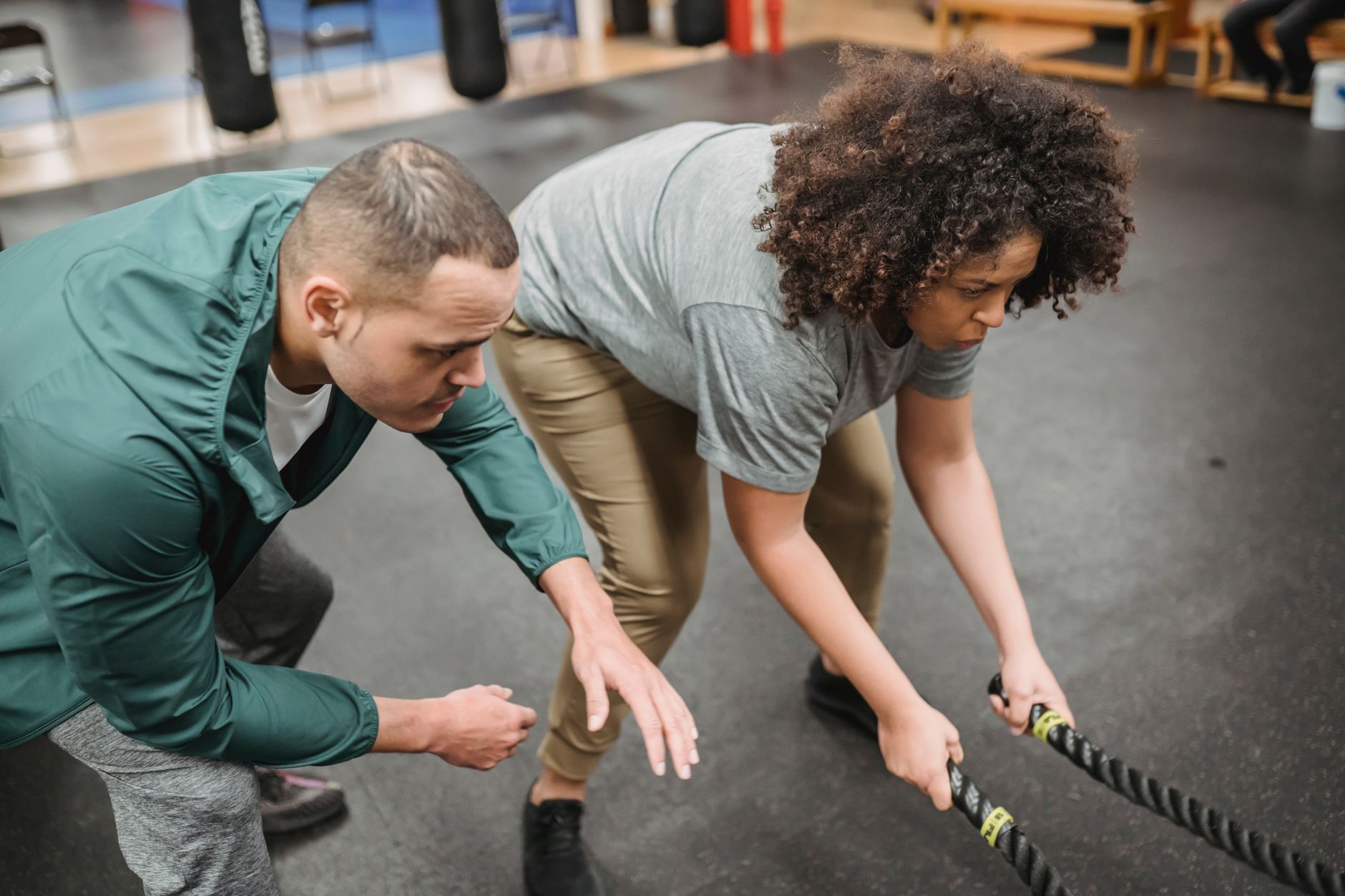

Every client is unique, and understanding their specific objectives is fundamental to a successful start.
Conduct a Comprehensive Assessment
- Health History Questionnaire: Begin with a detailed health history to identify any existing medical conditions or injuries.
- Fitness Assessment: Conduct physical assessments to gauge strength, flexibility, and cardiovascular fitness levels.
- Goal Setting: Work collaboratively on establishing SMART (Specific, Measurable, Achievable, Relevant, Time-bound) goals that will guide the training program.
Creating a Personalized Plan
Based on the assessment, develop a custom training program tailored to the client’s goals and fitness level.
- Short-term Goals: Set weekly or monthly targets that allow for quick wins.
- Long-term Goals: Identify overarching goals that may take several weeks or months to achieve.
- Diversity in Training: Ensure variety in exercises to keep the client engaged and motivated.
Preparing for the First Session

A well-planned first session is crucial for making a great first impression.
Setting Expectations
- Discuss Training Philosophy: Share your training philosophy and style to align with the client’s expectations.
- Outline the Session Structure: Explain how the session will be structured, including warm-up, main workout, and cool-down.
- Time Management: Make sure to respect the client’s time, starting and ending as scheduled.
Creating a Welcoming Environment
- Facility Tour: Show them around the training facility to familiarize them with the space.
- Equipment Overview: Introduce the equipment they’ll be using and explain how it works.
- Personal Touches: Personalize their space (like their water bottle, towel, or mats) to make them feel comfortable.
Conducting the First Session
The first session should be an engaging blend of assessment and introduction to training techniques.
Implementing the Training Plan
- Warm-up Routine: Start with a dynamic warm-up to prepare their body for the workout.
- Client Engagement: Encourage dialogue and ask for feedback throughout the session.
- Technique Focus: Prioritize proper form throughout the exercises to prevent injury.
Monitoring Progress and Providing Feedback
- Encouragement: Provide positive reinforcement to boost their confidence.
- Assess Performance: Monitor their performance to adjust the program as needed.
- Post-session Feedback: Discuss how they felt and areas for improvement.
Follow-up and Communication

Post-session communication is vital in maintaining client engagement.
Checking In
- Daily or Weekly Follow-ups: Send motivational texts or emails to remind them of their goals.
- Collect Feedback: Regularly ask about their experience, satisfaction, and any potential issues.
- Utilize Technology: Consider using apps for tracking progress and maintaining communication.
Encouraging Accountability
- Set Regular Check-ins: Schedule weekly or bi-weekly check-ins to evaluate progress.
- Group Sessions: Encourage participation in group workouts or challenges for additional motivation.
- Client Responsibilities: Make sure your clients are aware of their responsibilities and the importance of consistent attendance.
Common Pitfalls in the Onboarding Process
A successful onboarding process can sometimes be thwarted by avoidable mistakes.
Inadequate Communication
- Failing to Listen: Ensure you’re attentive to their needs and concerns.
- Overloading Information: Provide necessary information without overwhelming them.
- Lack of Engagement: Foster a two-way conversation rather than a one-sided experience.
Neglecting Client Follow-up
- Delayed Responses: Aim for timely responses to keep clients motivated.
- Poor Progress Tracking: Regularly monitor performance and adjust programs as necessary.
- Ignoring Feedback: Ensure you act on constructive feedback to enhance their experience.
FAQ
What is fitness client onboarding?
Fitness client onboarding is the process a personal trainer uses to integrate a new client into their training program, setting the foundation for a successful training journey.
How can I create a new client PT checklist?
Include key components such as conducting initial assessments, identifying client goals, developing a personalized training plan, and establishing communication protocols to maintain engagement.
What should I do on my client’s first session?
The first session should include a dynamic warm-up, introduction to equipment, an initiation of the training plan, and a focus on technique while ensuring client comfort and engagement.
Why is follow-up crucial in personal training?
Follow-up is essential to maintain client motivation, ensure accountability, track progress, and build a strong trainer-client relationship.
Conclusion
Proper fitness client onboarding lays the foundation for long-term success in personal training. By following this comprehensive checklist and fostering open communication, you can set your clients on the path to achieving their ultimate fitness goals. If you’re looking to refine your personal training skills, consider partnering with ElitePTS, where we provide unparalleled support and resources tailored for trainers and fitness enthusiasts alike.