


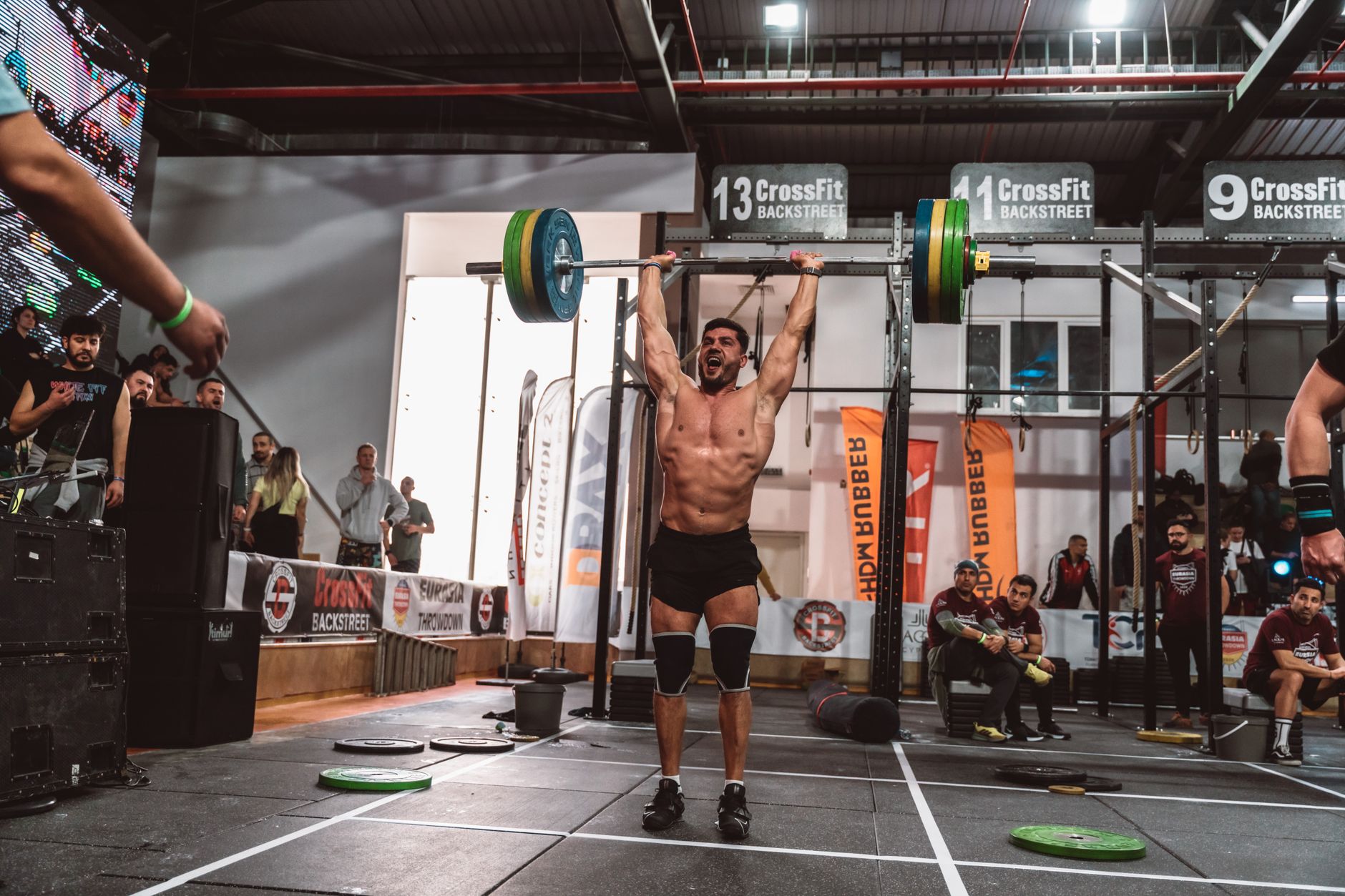
Performance Psychology: The Pro Athlete Mindset
At the highest level, the gap is rarely effort. It is decision quality under fatigue, focus under pressure, and the ability to reset fast after mistakes. That is where performance psychology stops being theory and starts becoming a competitive advantage.
The pro athlete mindset is not magic, motivation, or blind confidence. It is a trainable set of mental skills that helps athletes execute when the stakes rise: attention control, emotional regulation, productive self-talk, pre-performance routines, and recovery habits that protect consistency. Research in sport psychology shows that psychological skills training can improve performance when it is practiced like any other part of training: deliberately, progressively, and in sport-specific contexts. For athletes, clients, and coaches, the key question is not whether mindset matters. It is which mental training tools transfer to better reps, better sessions, and better competition results. This guide breaks down the evidence, then turns it into practical protocols you can use today.
What Performance Psychology Actually Trains
Attention control beats motivation
Most athletes overvalue hype and undervalue attentional discipline. Elite performers do not rely on feeling inspired; they rely on knowing exactly what deserves focus in the next 3 to 10 seconds. In a heavy squat, that may be one cue such as “brace.” In hockey, it may be “scan, shoulder check, support.” In sprinting, it may be “push, rise, relax.”
Research on attentional focus consistently shows that a narrow, relevant focus improves execution more than trying to “want it more.” The practical rule: before every key rep, choose one external cue or one technical cue, not five. If you are also refining your physical plan, pair that mental cue with sound programming from progressive overload for strength and hypertrophy so the brain and body are working toward the same outcome.
Arousal regulation is a performance skill
Too little intensity can make an athlete flat. Too much can tighten movement, narrow vision, and speed up poor decisions. The ideal zone is not the same for every sport or every athlete. A powerlifter may need higher arousal before a max attempt, while a quarterback, golfer, or point guard often needs calm precision.
Use a simple 1-to-10 arousal scale before hard sets or competition. Rate where you are, then adjust deliberately. If you are below target, use 3 fast breaths, music, and two explosive primer reps. If you are above target, use a 4-second inhale, 6-second exhale for 5 cycles.
Meta-analyses of psychological skills training report small-to-moderate but meaningful gains in sport performance, especially when imagery, self-talk, and arousal regulation are practiced consistently over several weeks.
The Pro Athlete Mindset Is Built on Systems

Process goals create repeatable wins
Outcome goals matter, but they do not guide moment-to-moment execution. “Make the team” or “hit a 500-pound deadlift” can motivate you, yet those goals do not tell you what to do today. Process goals do. They are observable actions: complete warm-up without rushing, hit depth on all work sets, or review three game clips after practice.
A strong system uses three layers: outcome, performance, and process. Example: outcome goal, qualify for provincials; performance goal, improve 5 km time by 90 seconds in 12 weeks; process goal, complete four aerobic sessions weekly and one 10-minute visualization block before race-pace work. Athletes who need more structure on the physical side should also learn how to track training volume so mental targets line up with measurable workload.
Feedback loops build real confidence
Confidence is not a personality trait. It is a prediction your brain makes based on evidence. When training logs show you hit 8 of your last 10 planned sessions, added load gradually, and recovered well, confidence becomes rational. When preparation is inconsistent, confidence turns fragile because it has no proof behind it.
Use a 3-minute post-session review. Write down: one thing executed well, one thing to clean up, and one score from 1 to 5 for focus quality. Over 4 weeks, patterns become obvious. This is the kind of boring consistency that creates the pro athlete mindset: fewer emotional swings, more evidence, better predictions under pressure.
Mental Training Protocols That Transfer to Competition
Imagery works when it is specific
Visualization for athletes is effective when it is vivid, timed realistically, and connected to actual performance demands. Generic “seeing yourself win” is weak. Better imagery includes environment, tempo, breathing, and contingencies. See the platform, hear the crowd, feel the bar, then rehearse the exact first cue after the unrack.
A practical protocol: 5 minutes, 4 times per week, ideally before technical practice. Run 3 perfect reps in first-person perspective, then 2 adversity reps where something feels off and you recover anyway. Research by Cumming and Williams has repeatedly shown imagery is most useful when it mirrors task demands and includes both execution and response to setbacks.
Self-talk should be short, neutral, and rehearsed
Self-talk is not empty positivity. It is deliberate language used to direct attention or regulate emotion. Instructional self-talk improves technical tasks; motivational self-talk can raise effort in endurance or repeated high-intensity work. The mistake is using vague phrases like “let’s go” when the task needs precision.
Build a cue bank of 3 to 5 words only. Example for a lifter: “brace,” “drive,” “finish.” Example for a basketball player: “eyes up,” “set feet,” “through.” Rehearse those cues during normal training, not only in competition. Hatzigeorgiadis and colleagues found self-talk interventions improve both performance and confidence when paired with repeated practice rather than last-second hype.
For athletes looking to improve consistency across training blocks, combine mental reps with recovery basics from recovery strategies for athletes and lifestyle systems such as high-performance habits. Mental sharpness drops quickly when sleep, fueling, and routine collapse.
Mental Training Under Pressure: Routines and Resets
Pre-performance routines reduce noise
Pressure amplifies distractions. A routine keeps your brain from searching for control in the wrong places. Good routines are short, repeatable, and linked to the demands of the task. They create consistency in breathing, cueing, and visual focus, which lowers decision friction.
Use this 60- to 90-second routine before attempts, races, or skill reps:
- 20 seconds: one physiological sigh or 4 slow breaths
- 15 seconds: one cue word and one image of the first action
- 10 seconds: set eyes on the target or start point
- 5 seconds: commit and go on a consistent trigger word like “now”
Reset fast after mistakes
The best competitors are not mistake-free; they are fast to recover. A missed lift, turnover, or tactical error becomes costly when it creates another error 20 seconds later. Emotional spillover is often the real problem. That is why elite athletes train a reset, not just confidence.
Try a 3R reset: Recognize the error without drama, Release it with one long exhale and a physical cue like wiping the hands, then Refocus on the next controllable action. Hockey players can use this between shifts; strength athletes can use it between attempts. That is applied mental training, not motivational fluff.
Recovery Psychology: Protecting Focus Across the Week
Stress management is part of performance
Athletes often separate life stress from training stress even though the nervous system does not. Poor sleep, relationship conflict, work pressure, and under-fueling all raise baseline fatigue and make concentration harder. The result is not just feeling tired; it is missing cues, rushing decisions, and overreacting to minor setbacks.
Run a weekly recovery audit using five metrics scored 1 to 5: sleep quality, energy, soreness, mood, and motivation. If three or more drop below 3 for two consecutive days, reduce training complexity before intensity. That might mean fewer technical max-effort reps, longer rest periods, or lower tactical load. Nutrition also matters here, so athletes should review sports nutrition for performance to support focus as well as output.
Emotional control is trainable
Emotional control does not mean suppressing emotion. It means responding in a way that protects execution. Labeling a feeling accurately, such as “I am keyed up” instead of “I am panicking,” reduces its grip. This is supported by emotion regulation research showing that naming a state can decrease reactivity and improve decision quality.
Use a 2-minute evening drill for 14 days: write one pressure moment from the day, the emotion felt, and the response you want next time. This increases awareness and shortens the time between reaction and correction. Over time, athletes stop treating pressure as a threat and start treating it as information.
How Coaches Can Build a Team Mental Training System
Coach language shapes athlete attention
Coaches influence mindset less by speeches and more by repeated language. Vague feedback like “be tougher” or “want it more” gives athletes no usable action. Specific feedback directs focus: “win the first step,” “hips through,” “eyes to target,” or “next play.” The best coaching language is brief, observable, and tied to a decision or movement.
Build one cue sheet for each lift, skill, or position with no more than three priority phrases. Use the same wording in practice, video review, and competition. Consistency matters. When cues constantly change, attention scatters. When cues stay stable, decision speed improves.
Practice pressure before competition pressure
Mental toughness is not built by random suffering. It is built by progressively exposing athletes to consequences, uncertainty, fatigue, and evaluation while preserving skill quality. Coaches should design pressure into practice the same way they design load progression into strength work.
Use one pressure block per week: 2 to 4 rounds of sport-specific tasks with scorekeeping, time limits, or public accountability. Examples include one final AMRAP technical set with a target rep range, a free-throw ladder after sprints, or a scrimmage segment where a turnover equals an extra defensive transition. For coaches organizing the bigger picture, periodization for strength and sport can help place these mental stressors where they improve adaptation instead of sabotaging recovery.
FAQ: Performance Psychology and Mental Training
How often should athletes do mental training?
Minimum effective dose: 10 to 15 minutes, 4 times per week, for at least 6 to 8 weeks. A strong starter plan is 5 minutes of imagery before two sessions, a pre-performance routine before every hard set or drill, and a 3-minute post-session review. Frequency matters more than marathon sessions.
Can beginners use performance psychology, or is it only for elite athletes?
Beginners often benefit faster because mental skills improve consistency immediately. A new lifter who learns one cue, one breathing pattern, and one review habit will progress better than someone relying on random motivation. The tools are the same; the complexity changes with the athlete.
What is the fastest mental skill to improve performance?
For most athletes, it is the combination of a pre-performance routine and one effective cue word. Those two changes reduce noise, improve focus, and transfer quickly to competition or training. If you want the biggest return in the shortest time, start there before adding more advanced work.
How do you build confidence before a big event?
Do not chase feelings. Build evidence. Review your last 2 to 4 weeks of completed sessions, note objective wins, rehearse key scenarios with imagery, and simplify your routine. Confidence rises when the brain sees proof of preparation. Last-minute hype helps less than documented readiness.
When should an athlete work with a sport psychologist?
If pressure consistently disrupts execution, if confidence crashes after mistakes, or if anxiety, burnout, or avoidance are growing, a qualified sport psychologist is a smart investment. Coaches can teach routines and cues, but recurring performance blocks often improve fastest with individualized support.
Conclusion
Performance psychology is not about sounding confident. It is about creating repeatable mental habits that improve execution when fatigue, pressure, and uncertainty show up. The real pro athlete mindset is built on systems: one cue at a time, one reset at a time, one honest review at a time. If you want better training decisions, start with the highest-yield tools: a 60-second pre-performance routine, a 3-minute post-session review, 5 minutes of imagery four times per week, and one reset strategy for mistakes.
At Elite Catalyst, the goal is simple: turn science into gains you can use now. If you want more evidence-based strategies on training, recovery, and mental training, explore the latest resources at https://elitepts.com/articles and build a performance system that holds up when it matters most.