


Introduction: The Future of Fitness Training
In recent years, personal training has seen a significant transformation from traditional commercial gyms to private or home-based setups. Whether you’re a trainer looking to establish a stronghold in your local area or simply an enthusiast looking to take your fitness business to the next level, setting up a personal training studio is an invaluable investment.
In this comprehensive guide, we will explore everything you must know about creating a successful personal training studio. From space considerations and optimal equipment to designing a motivating environment, you’ll discover actionable insights to help turn your vision into a reality.
Choosing the Right Space for Your Studio

Evaluating Your Location
The first step in your personal training studio setup involves selecting the right location. Here are some factors to consider:
- Accessibility: Ensure that your studio is easily accessible to clients, with ample parking or public transport access.
- Space Requirements: A minimum of 300-500 square feet is advisable for a comfortable studio setup.
- Neighborhood Demographics: Understanding your target audience will help determine the ideal location.
Designing the Layout
Once you've secured your space, it’s time to design an effective layout:
- Zone your studio for different activities: warm-up areas, training zones, and recovery spots.
- Incorporate natural light to create an inviting atmosphere.
- Ensure that safety measures are in place, including clear pathways for movement.
Essential PT Studio Equipment
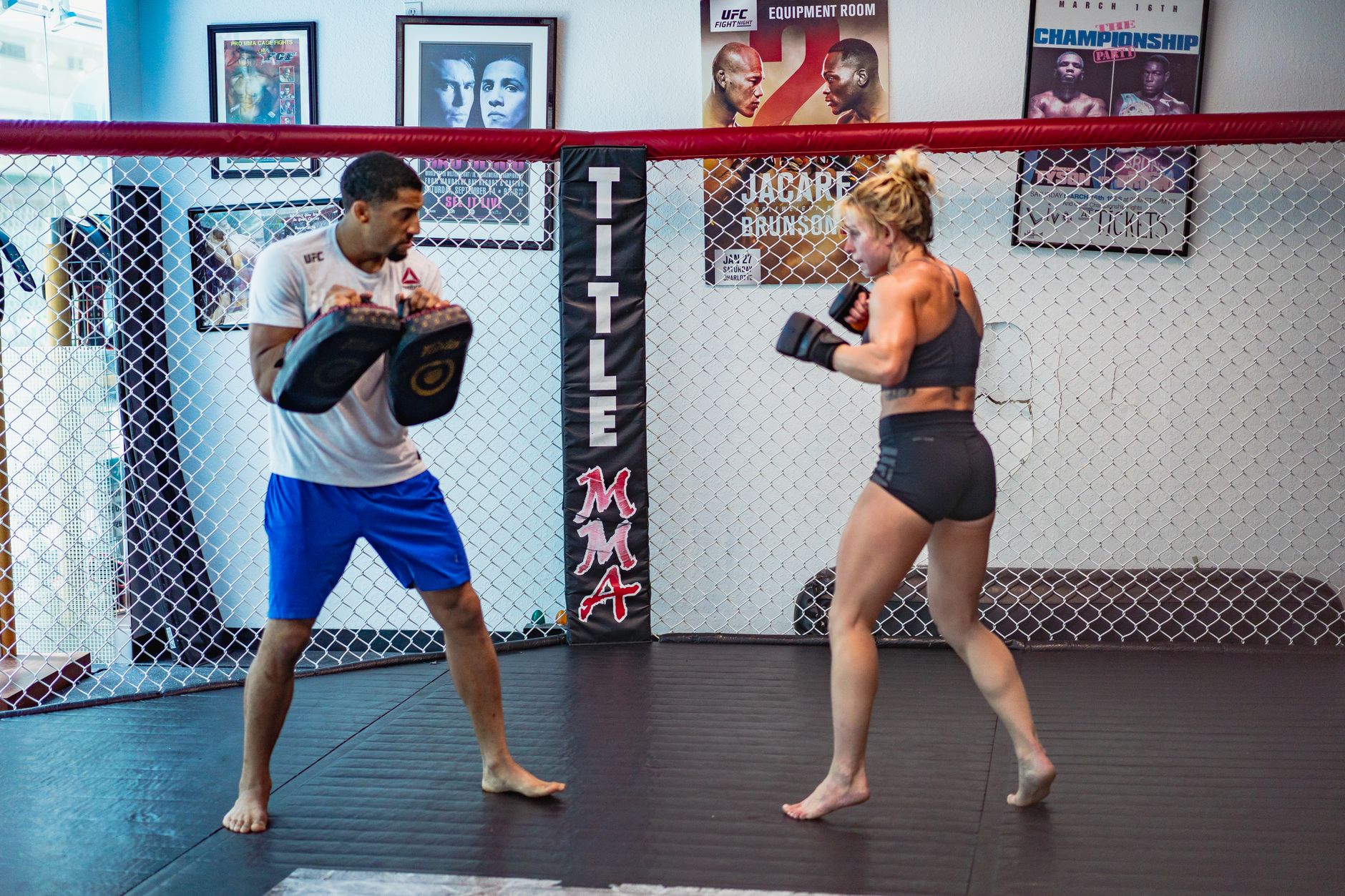
Core Equipment for Trainers
Your personal training studio setup should prioritize essential equipment that serves multiple workout styles. Here’s a list of key items:
- Free Weights: Dumbbells and kettlebells for versatile strength training.
- Cardio Machines: Include a treadmill, stationary bike, or rowing machine based on client needs.
- Resistance Training Gear: Resistance bands, TRX systems, and weight machines for tailored workouts.
Specialized Equipment for Unique Needs
Depending on your clientele, consider adding specialized equipment. Examples include:
- Mobility Tools: Foam rollers and massage balls to facilitate recovery.
- Aquatic Equipment: Resistance pools for water-based training.
Creating a Motivating Environment
Studio Aesthetics
The right atmosphere can greatly influence client motivation. Focus on:
- Lighting: Use adjustable lighting to create an energizing yet calming space.
- Decor: Inspirational quotes and before/after photographs can inspire progress.
Sound and Ambiance
Music plays a crucial role in maintaining energy levels during workouts:
- Invest in a good sound system.
- Create varied playlists to keep sessions fresh and lively.
Marketing Your Fitness Studio

Building Your Brand
Your personal training studio will thrive through a strong brand presence. Focus on:
- Define your niche—specialize in areas such as weight loss, bodybuilding, or sports training.
- Create a recognizable logo and consistent color scheme.
Effective Marketing Strategies
Utilize modern digital marketing strategies to reach potential clients:
- Start a professional website showcasing your services, testimonials, and success stories.
- Leverage social media channels to engage with your community and share content.
- Run promotions or offer free introductory sessions to attract new clients.
Legal and Financial Considerations
Licensing and Insurance
Before opening, ensure you have the appropriate licensing:
- Check local regulations for business permits and personal trainer certifications.
- Invest in liability insurance to protect against accidents.
Budgeting Your Studio Setup
Creating a budget is essential to avoid overspending:
- Prepare a comprehensive business plan detailing initial costs and projected income.
- Factor in ongoing expenses like utilities, insurance, and maintenance.
Conclusion: Build Your Elite Personal Training Studio
Setting up your personal training studio is both a rewarding and challenging endeavor. With knowledgeable planning, strategic decisions, and a focus on client satisfaction, you can build a successful business that thrives in the competitive fitness industry. For more guidance and resources to elevate your fitness career, connect with ElitePTS today!
FAQs
What is the average cost of setting up a personal training studio?
The cost can vary widely but typically ranges from $10,000 to $50,000, depending on space and equipment.
How much space do I need for a home gym?
Ideally, aim for at least 300-500 square feet to accommodate various training activities.
What’s the most important equipment for a personal trainer?
Free weights and resistance training gear are considered the essentials for effective client workouts.
How can I attract clients to my fitness studio?
Utilize social media, word-of-mouth referrals, and promotional offers to draw in new clients.