


Introduction
In the wake of the COVID-19 pandemic, many fitness enthusiasts and athletes are eager to return to their workout regimens. However, transitioning back to exercise after battling the virus or dealing with restrictions necessitates caution and mindfulness. In this comprehensive guide, we will explore the science behind post COVID exercise, practical strategies for returning to training COVID, and essential tips for effective COVID fitness recovery. Whether you’re resuming your athletic pursuits or picking up exercise for the first time, this article provides valuable advice to ensure a safe and effective return to fitness.
Understanding COVID-19’s Impact on Physical Health

Before diving into strategies for safe exercise, it's vital to acknowledge how COVID-19 can impact your body and overall health:
- Respiratory Effects: COVID-19 primarily affects the respiratory system. Some individuals experience lasting symptoms known as "long COVID," which may include difficulty breathing and reduced lung capacity.
- Cardiovascular Implications: Studies show COVID-19 may elevate the risk of heart inflammation (myocarditis), particularly in athletes.
- Muscle Fatigue: Prolonged illness can contribute to muscle loss and fatigue, leading to decreased physical performance.
Recognizing these potential consequences helps in creating a workout plan that accommodates your current health situation.
Consulting Healthcare Professionals
Prior to resuming any fitness routine, consultation with healthcare professionals is crucial. They can assess your physical readiness and recommend an appropriate course of action, especially if you experienced severe symptoms.
Staying Informed About Your Health
Be aware of your body and any lingering symptoms such as:
- Shortness of breath
- Unusual fatigue
- Heart palpitations
Listen to your body, and if you experience any concerning symptoms, seek medical advice.
Gradual Return to Physical Activity

As you prepare to return to exercise, it is vital to follow a gradual and measured approach. Remember, this is about COVID fitness recovery — not rushing back into your previous routine.
Establishing a Baseline
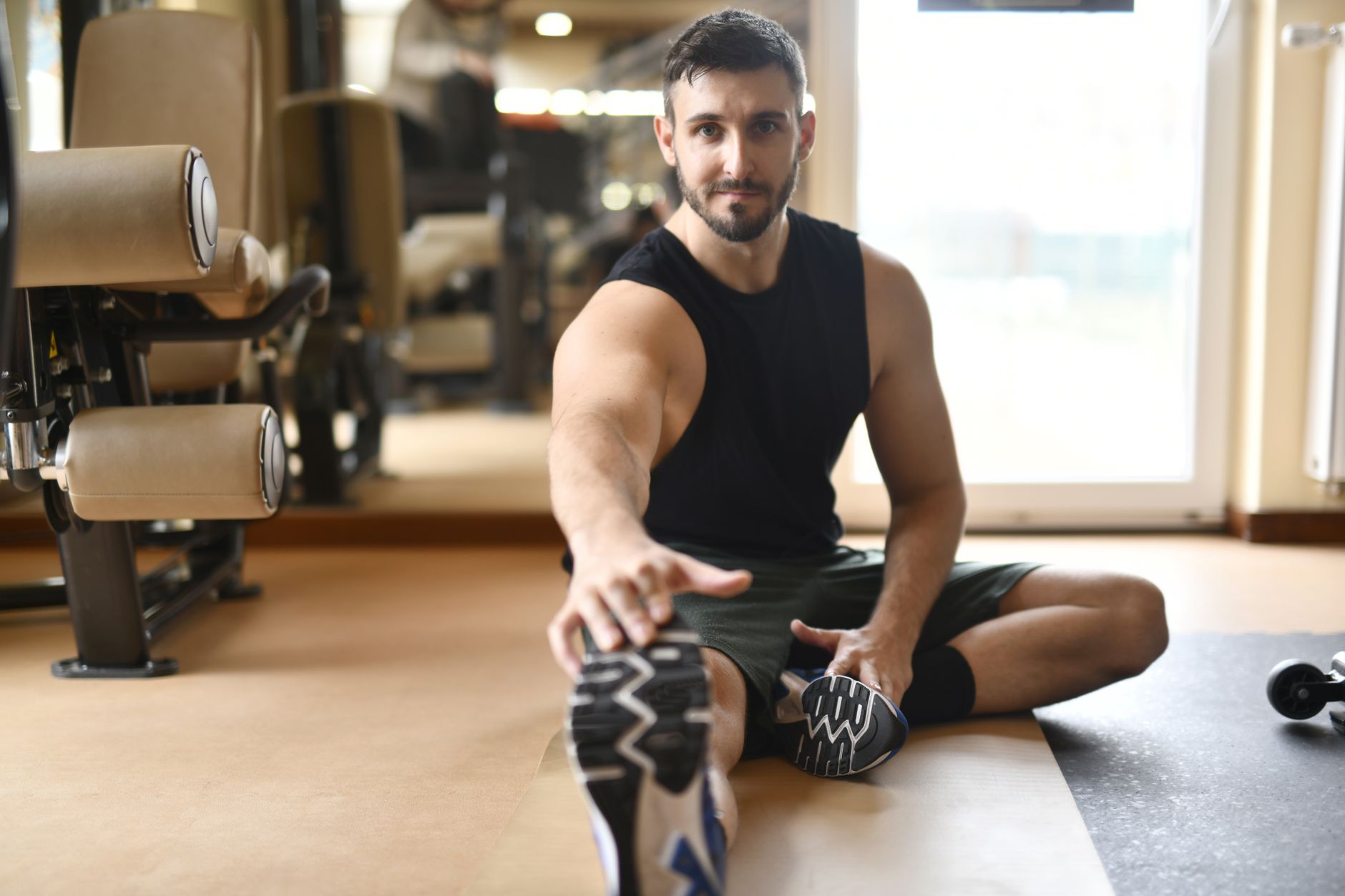
Begin by determining your current physical capacity. Engage in low-impact activities such as walking or gentle stretching to track your endurance. This will help you set realistic fitness goals as you progress.
Creating a Phase-Based Plan
Divide your return into phases:
- Phase 1 - Reintroduction: Focus on low-intensity movements for 10-15 minutes, 2-3 times weekly.
- Phase 2 - Moderate Activity: Gradually increase duration and intensity; aim for 20-30 minute sessions.
- Phase 3 - Normal Routine: Once you regain your strength and endurance, transition back to your typical training routine.
Be patient and adjust each phase based on your comfort and progress.
Choosing the Right Exercises
Not all exercises are equally suited for a post-COVID recovery. Select movements that align with your current abilities while encouraging progression:
Low-Impact Cardio Options
Start with low-impact activities that maintain fitness without excessive strain:
- Walking: A basic yet effective way to build endurance.
- Cycling: Stations or outdoor cycling provide variability in exertion.
- Swimming: Offers resistance and support, ideal for lung recovery.
Strength Training Considerations
Incorporate bodyweight exercises (e.g., squats, lunges) with a focus on proper form. Consider using resistance bands for simplicity and safety.
Monitoring Progress and Avoiding Burnout
As you re-engage with fitness, tracking progress and maintaining motivation are critical components to success:
Setting Realistic Goals
Establish short-term, attainable goals to provide motivation. This could range from improving walking duration to increasing the number of bodyweight squats you can perform in one set.
Listening to Your Body
Despite the eagerness to return to your prior fitness levels, allow your body to dictate the pace of your recovery. If you're overly fatigued or experience discomfort, reduce intensity or take additional rest days.
Nutrition and Hydration: Supporting Recovery
Proper nutrition and hydration play a vital role in enhancing your recovery process:
Macleans Your Diet
Focus on a balanced diet rich in:
- Protein: Supports muscle repair (e.g., lean meats, legumes).
- Fruits and Vegetables: Provides essential vitamins and minerals.
- Healthy Fats: Supports overall health (e.g., avocados, nuts).
Hydration Is Key
Stay well-hydrated, particularly when returning to exercise. Dehydration can impair performance and recovery, so aim to drink water regularly before, during, and after workouts.
Psychological Aspects of Returning to Exercise
The psychological effects of the pandemic can also affect motivation and mental readiness to return to exercise:
Coping Strategies
Utilize coping strategies to manage anxiety or apprehension about returning to workouts. Consider mediation or mindfulness practices to regain mental clarity.
Building a Body Positive Mindset
Focus on progress rather than perfection. Celebrate small milestones to reinforce positive feelings surrounding exercise.
Frequently Asked Questions
How long after COVID should I wait to start exercising?
It's generally advisable to wait at least 10 days after symptom onset before resuming exercise, but individual circumstances vary. Consult your healthcare provider for personalized guidance.
What types of exercise are best for recovering from COVID?
Low-impact exercises like walking, swimming, and light cycling are ideal as they minimize strain while promoting cardiovascular health.
Should I consult a trainer for post-COVID exercise?
Yes, working with a knowledgeable trainer can provide personalized programming and support tailored to your recovery needs.
Can I return to high-intensity workouts immediately?
No, it is critical to start with lower intensity to avoid overexertion. Gradually increase intensity as you assess your recovery.
Conclusion
Returning to exercise in a post-COVID world involves a careful and considered approach. Understanding the impacts of the virus, gradually reintroducing physical activity, and prioritizing nutrition and hydration are key elements of a successful recovery. At ElitePTS, we are dedicated to helping our clients navigate their fitness journeys safely. Whether you need personalized training programs or expert advice, our team is here to support you every step of the way. Take that first step towards recovery and get back to the fitness level you love!