



Understanding Progressive Overload
Progressive overload is the cornerstone of effective strength training and muscle growth. At its core, it refers to the systematic increase of stress placed on the body during workouts. This mechanism activates muscle adaptation—forcing your body to grow stronger and more efficient. When we think about enhancing our lifting program, incorporating principles of progressive overload is essential.
The Science Behind Progressive Overload
Muscles respond to stress through a process called supercompensation. When you lift weights, microscopic tears occur within the muscle fibers. Your body repairs these tears, making the muscles stronger than before in a cycle of adaptation. To continue seeing gains, you must consistently increase the demands on your muscles—hence the importance of progressive overload.
Types of Progressive Overload
- Load Increases: The most straightforward way is to increase the amount of weight lifted.
- Volume Increase: Adding more reps or sets to your lifting program enhances overall volume.
- Frequency Increase: Increasing training sessions per week can lead to higher adaptations.
- Intensity Techniques: Using methods like drop sets, supersets, or tempo changes can also promote overload.
Practical Tips for Implementing Progressive Overload

To effectively apply progressive overload in your training, consider the following practical tips:
1. Set Clear Goals
Start by establishing specific, measurable fitness goals for your lifting program. Whether aiming to increase your bench press by 10% or to complete an additional set, having clear objectives will guide your approach to progressive overload.
2. Track Your Progress
Keep a detailed log of your workouts. By documenting weights, sets, and reps, you can easily identify when it's time to increase the load. Use apps or journals to track your lifting journey.
3. Listen to Your Body
Pay attention to how your body responds to your lifting program. If you notice signs of fatigue or plateauing, it may be time to incorporate deload weeks or adjust your training strategy without compromising progress.
Common Mistakes to Avoid with Progressive Overload

Understanding what not to do is just as important. Here are common pitfalls:
1. Increasing Weight Too Quickly
Avoid the temptation to jump significantly in weight; this can lead to injury or burnout. Aim for incremental increases—typically 5-10% of your current load.
2. Neglecting Recovery
Muscle growth happens not just in the gym, but during recovery as well. Ensure you're allowing muscles adequate time to heal through proper rest and nutrition.
3. Forgetting to Vary Your Routine
Sticking to the same lifting program can lead to adaptation plateaus. Incorporate different movements, rep ranges, and intensity levels to keep your muscles challenged.
Benefits of Progressive Overload in Strength Training
So why is progressive overload indispensable? Here are some benefits:
Enhanced Muscle Hypertrophy
By continuously challenging your muscles, you drive muscle growth (hypertrophy). The more stress the muscles endure, the stronger they get.
Improved Strength Levels
Implementing progressive overload leads to sustained improvements in strength, which can enhance performance in sports and daily activities.
Boosted Mental Toughness
Overcoming physical challenges in the gym contributes to mental resilience, making you not only a stronger athlete physically, but also mentally.
Sample Progressive Overload Lifting Program
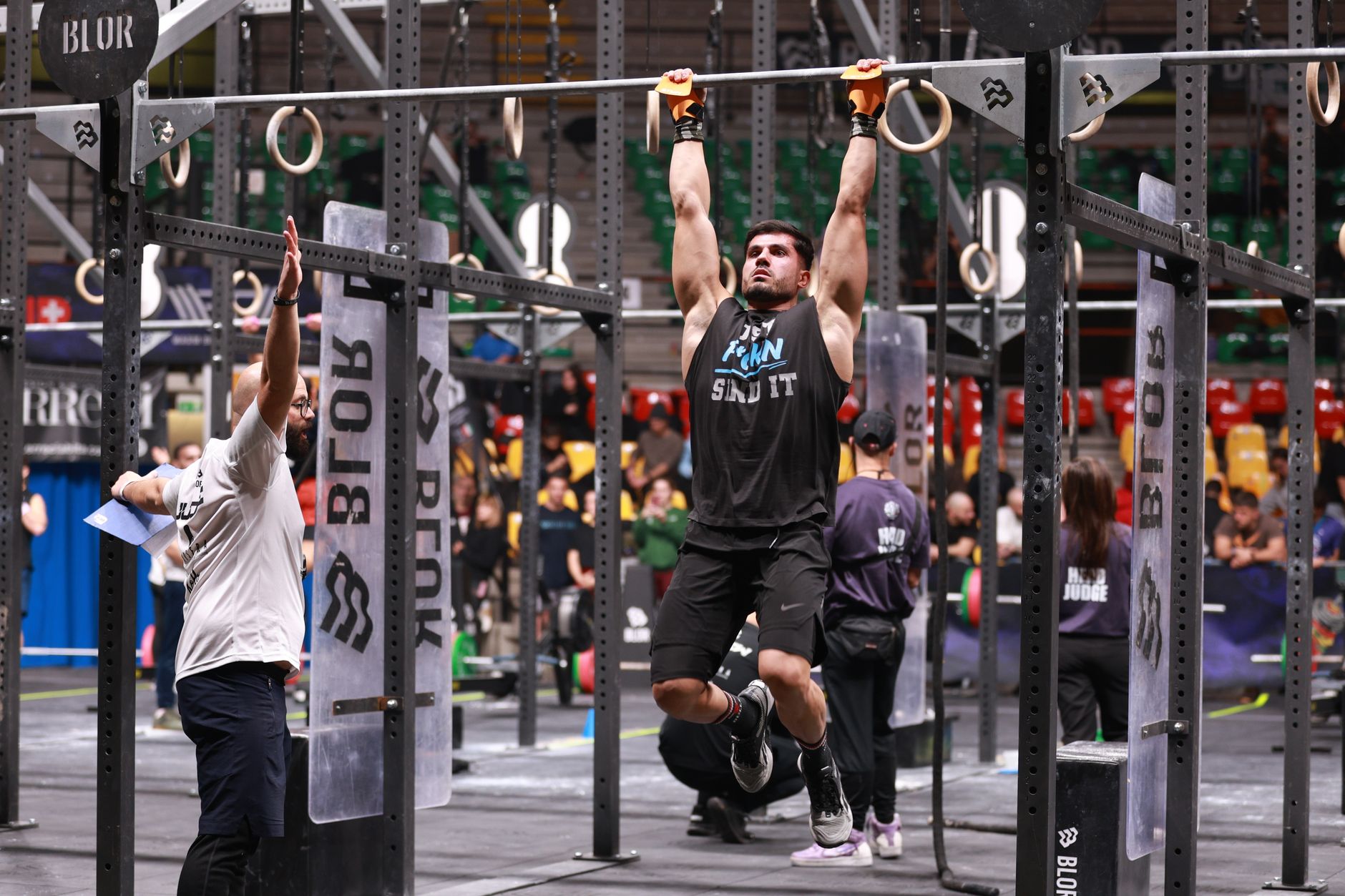
Here's a simple weekly program illustrative of how to approach progressive overload:
Day 1: Upper Body
- Bench Press: 4 sets of 6-8 reps
- Row: 4 sets of 6-8 reps
- Shoulder Press: 3 sets of 8-10 reps
Day 2: Lower Body
- Squats: 4 sets of 6-8 reps
- Deadlifts: 4 sets of 6-8 reps
- Leg Curls: 3 sets of 8-10 reps
Day 3: Active Recovery
Focus on mobility and low-intensity activities.
FAQs About Progressive Overload
How often should I increase weights?
Typically, increasing weights every 1-2 weeks is effective. Monitor your progress closely.
Can beginners use progressive overload?
Absolutely! Beginners can start with light weights and focus on form, gradually increasing weight or reps as they adapt.
Is progressive overload safe?
When applied correctly, progressive overload is safe. Prioritize listening to your body, adjusting as needed, and consulting with a fitness professional.
What are some signs I need to deload?
Significant fatigue, lack of motivation, and diminished performance can all indicate it's time for a deload week.
Conclusion
Progressive overload is a fundamental principle for achieving continuous strength gains. By systematically increasing the demands on your body, you can unlock your full potential in strength training. Don’t forget that ElitePTS is here to guide you in crafting tailored lifting programs that emphasize effective overload strategies to maximize your muscle growth and athletic performance!