



Recognizing Early Signs of Overtraining Syndrome
If your performance is slipping, your sleep is getting worse, and every session feels harder than it should, those are not badges of honor. They are often early overtraining signs that your body is losing the recovery battle.
Catch them early and you can fix the problem in days. Miss them, and you may spend weeks or months digging out of fatigue, stalled progress, and avoidable injury.
Overtraining syndrome sits at the far end of a recovery continuum. Most athletes do not wake up one day suddenly overtrained; they move from hard training to functional overreaching, then to non-functional overreaching, and finally into a state where performance, mood, sleep, and health all start trending in the wrong direction. That is why recognizing early overtraining signs matters so much for athletes, clients, and coaches. The goal is not to avoid hard work. The goal is to match stress with enough training recovery so adaptation can actually happen. Research from Meeusen and colleagues, along with ACSM and ECSS position statements, consistently shows that unexplained underperformance, persistent fatigue, mood disturbance, and prolonged recovery are core warning patterns. In practice, the best strategy is simple: track a few high-value markers, react early, and use clear decision rules before you need a forced layoff. This guide breaks down what to watch, what numbers matter, and how to prevent workout burnout without losing momentum.
Expert consensus: persistent underperformance paired with fatigue, sleep disturbance, and mood changes is a hallmark pattern of non-functional overreaching and overtraining syndrome.
Overtraining signs vs. normal hard training
Know the difference between productive fatigue and a problem
Hard training should create short-term fatigue. Soreness for 24 to 48 hours, a temporary dip in bar speed after a high-volume block, or feeling flat the morning after a brutal conditioning session can all be normal. In fact, planned overload is often necessary for improvement.
The problem starts when fatigue stops resolving on schedule. If performance stays down for more than several sessions, motivation drops, soreness lingers, and your usual recovery tools stop working, you are likely no longer dealing with normal training stress. You are moving toward non-functional overreaching, the stage that commonly precedes true overtraining syndrome.
Why early action protects performance and reduces injury risk
Under-recovered athletes do not just perform worse; they move worse. Coordination drops, reaction time slows, bracing gets lazy, and tissue tolerance falls. That combination raises risk during heavy strength work, sprinting, change of direction, and repeated impact training.
Coaches should treat recovery markers like technique markers. If readiness is falling, modify the plan before form breaks down. A well-timed deload week or better auto-regulation strategy is often enough to restore progress before fatigue becomes a real injury-prevention problem.
Performance-based overtraining signs you can measure
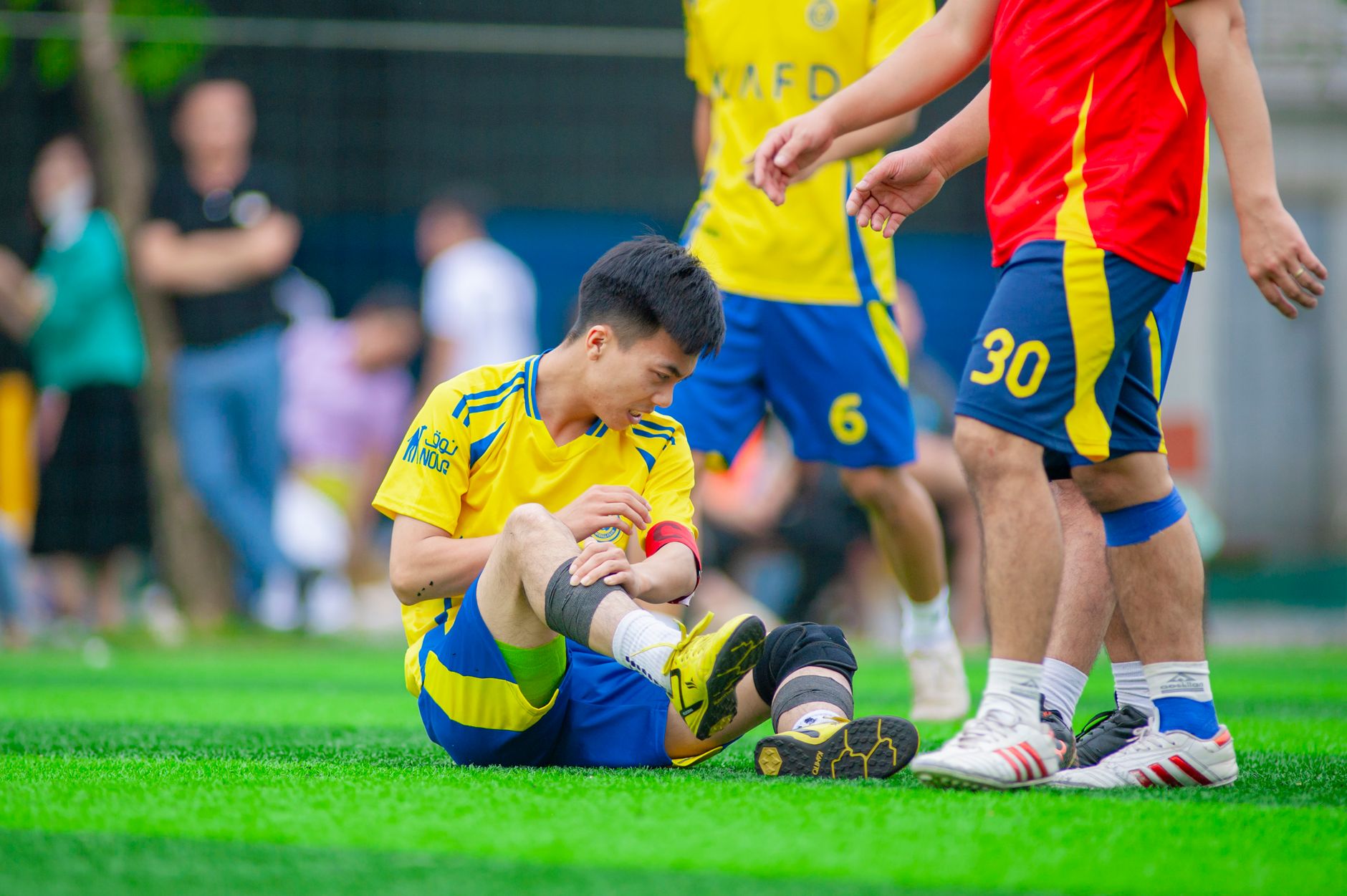
Falling output at the same effort is the cleanest red flag
The earliest useful warning is usually performance drift. You should worry when the same workout produces fewer reps, slower splits, lower jump height, or reduced bar velocity while your effort feels equal or higher. A one-off bad day means little. A trend across 3 to 5 sessions matters.
Practical thresholds: watch for a 5% or greater drop in repeat performance, a sudden loss of 1 to 2 reps at a load that was previously stable, or consistently slower warm-up sets. If you track velocity, repeated losses of 0.05 to 0.10 m/s at familiar loads are worth attention.
RPE climbs while recovery between sessions gets worse
Another common pattern is a mismatch between load and perceived effort. If 80% on squats suddenly feels like 90%, or a usual tempo run feels like a race effort, your nervous system and energy systems may not be recovering fully. This is where subjective data becomes powerful.
Use a simple session log with three numbers: session RPE, sleep score from 1 to 5, and motivation from 1 to 5. If session RPE is up by 2 points for three sessions while sleep and motivation trend down, reduce weekly volume by 30% to 50% immediately. For a deeper system, see RPE and auto-regulation.
- Track daily: bar speed, reps at fixed load, sprint split times, or jump height
- Track weekly: average session RPE and bodyweight trend
- Act fast: 3 poor sessions in a row is a coaching decision point, not a test of toughness
Physiological red flags: heart rate, sleep, and immune changes
Morning resting heart rate and HRV can show under-recovery
Morning resting heart rate is one of the simplest markers in the field. If your baseline is 52 bpm and you wake up at 58 to 62 bpm for several days without illness, travel, or major stress, that is a signal that recovery demand is exceeding recovery capacity. In many athletes, a sustained rise of 5 to 10 bpm is meaningful.
Heart rate variability can add context, especially if you already use a wearable. A drop of 10% or more below your rolling baseline for 3 consecutive days, especially alongside poor sleep and reduced performance, strengthens the case for lowering load. If you want to monitor this intelligently, read heart rate variability for strength athletes.
Sleep disruption, soreness, and frequent illness matter more than most lifters think
Persistent muscle soreness beyond 72 hours, waking up at 3 a.m., shallow sleep, and catching every minor cold going around are classic overtraining syndrome symptoms. High training stress affects immune function, autonomic balance, and hormone rhythms, all of which can show up before major performance collapse.
Do not ignore these signs just because you are still getting sessions done. Inadequate carbohydrate intake, low total calories, and chronic dehydration commonly amplify them. Better sleep hygiene and smarter fueling often fix the issue early. ElitePTS readers should also review sleep and muscle recovery and the nutrition strategies at Peak by ElitePTS.
Psychological and behavioral clues coaches often miss
Loss of motivation, irritability, and flat mood are real biomarkers
Many athletes expect recovery problems to feel physical first. In reality, mood often changes before performance crashes. Irritability, dread before training, emotional flatness, or unusual anxiety around normal sessions are common early overtraining signs. Sports psychology research repeatedly shows mood disturbance is strongly linked with accumulating training strain.
A simple readiness check works well here. Each morning, rate mood, motivation, soreness, and sleep from 1 to 5. If two or more scores are at 2 or below for three days, reduce intensity exposure and cut accessory volume. This is faster and more practical than waiting for a lab test.
Appetite changes and training obsession can signal deeper recovery problems
Some athletes lose appetite when overreached. Others become hyper-focused on doing more because progress feels threatened. Both patterns are risky. Low appetite can drive low energy availability, which slows recovery, depresses performance, and increases injury risk. Compulsive extra work can turn a manageable fatigue state into full burnout.
Coaches should ask direct questions: Are you hungry after training? Are you skipping meals? Are you adding cardio on top of the plan? If the answers point to restriction or compulsive loading, address it immediately. When needed, bring in a sports dietitian or medical provider rather than trying to coach around a recovery problem you cannot out-program.
7-day reset to improve training recovery and prevent workout burnout
Step 1: reduce load without stopping movement completely
Most early cases do not require total rest. They require a smart reset. For 5 to 7 days, cut total weekly volume by 30% to 50%, reduce intensity by 5% to 10%, and remove grinders, failure sets, repeated sprints, and high-impact conditioning. Keep technical practice, mobility, and easy aerobic work.
Example for a strength athlete: if you were doing 5 sets of 5 at 80%, switch to 3 sets of 5 at 70% to 72.5%. Replace accessory circuits with 2 to 3 easy movements for 2 sets each. End every session feeling better than you started. This is how you maintain rhythm while restoring adaptation.
Step 2: hit recovery basics with exact numbers
Recovery needs to become aggressive, not casual. Aim for 8 to 9 hours of sleep, protein at 1.6 to 2.2 g/kg/day, carbohydrates at roughly 4 to 7 g/kg/day depending on training demand, and fluids at enough volume to keep urine pale yellow most of the day. Keep daily steps moderate, not excessive.
Useful add-ons include creatine monohydrate 3 to 5 g/day if you already tolerate it, and omega-3 intake that provides roughly 1 to 2 g/day of combined EPA and DHA through food or supplements when appropriate. Limit caffeine late in the day and avoid using stimulants to mask fatigue.
Step 3: use clear return-to-normal decision rules
Do not resume full loading because you had one good workout. Earn your way back. Return to normal training only when morning heart rate is back near baseline, sleep has improved for 3 nights, motivation is up, and performance on one anchor lift or conditioning metric has stabilized.
If markers are not improving after 7 to 10 days, or if fatigue is severe, recurrent, or paired with dizziness, menstrual changes, major mood disturbance, or repeated illness, get evaluated. That is where coaching ends and proper medical screening begins.
- Reset trigger: 3 poor sessions, rising RHR, worse mood, and poor sleep
- Reset length: 5 to 7 days for early cases
- Medical referral: symptoms lasting beyond 2 weeks or affecting normal daily function
FAQ: common questions about overtraining signs
How do I know if it is overtraining or just a hard week?
A hard week usually improves after 1 to 3 lighter days and a good sleep rebound. Early overtraining signs persist longer and show up across multiple systems: performance, mood, sleep, soreness, and resting heart rate.
If you only feel tired after a tough block, that is normal. If your output stays down, your motivation crashes, and normal recovery habits do not fix it, you need to modify training.
Can beginners get overtraining syndrome?
Yes, although true overtraining syndrome is more common in highly driven athletes with large training loads. Beginners more often experience under-recovery, poor sleep, low calories, and excessive soreness from doing too much too soon.
The solution is the same principle: progress gradually, respect rest days, and do not copy advanced programs that your current work capacity cannot support.
How long does recovery take?
Mild functional overreaching may resolve within several days. Non-functional overreaching can take weeks. Full overtraining syndrome can take months, especially when life stress, low energy intake, and stubborn training decisions keep compounding the problem.
That is why early detection matters. The sooner you react, the smaller the performance cost and the lower the injury risk.
Should I stop training completely?
Not usually. In most early cases, the better move is to reduce volume and intensity while keeping easy movement and technical work. Complete rest is more appropriate when symptoms are severe, illness is present, or basic daily function is affected.
If you are unsure, use the 7-day reset above and re-test. When in doubt, choose recovery before pride.
Conclusion
The biggest mistake athletes make with overtraining signs is waiting for a total crash before they act. By then, recovery is slower, progress is lost, and injury risk is much higher. The better approach is simple: monitor performance, resting heart rate, sleep, mood, and soreness every week, then respond early with smart training recovery strategies.
If you want to prevent workout burnout, think like a professional: train hard, measure what matters, and deload before your body forces the decision. For more evidence-based guidance on recovery, programming, and injury prevention, explore the Elite Catalyst library at https://elitepts.com/articles. If your training plan is not protecting your recovery, it is not elite yet.