



Introduction: The Importance of Rest Periods
When it comes to working out effectively and achieving your fitness goals, one crucial component often gets overshadowed by intense training sequences—rest periods between sets. While most fitness enthusiasts focus on the type of exercises and the weight they lift, understanding how long to rest at the gym can significantly impact performance and results. Whether you’re aiming to build muscle, enhance strength, or improve endurance, knowing the science of rest can elevate your training to the next level.
The Science Behind Muscle Recovery

The body undergoes numerous physiological changes during a workout, including muscle micro-trauma and energy depletion. These factors necessitate adequate recovery time.
- Muscle Micro-Trauma: Lifting weights causes minor tears in muscle fibers. Recovery is crucial for muscle growth.
- Energy Resynthesis: Muscle glycogen levels drop during exercise, and research shows rest helps restore these energy reserves.
- Hormonal Balance: Hormones like testosterone and growth hormone play a vital role in muscle recovery and growth.
Types of Muscle Recovery
Muscle recovery can be categorized into different types based on activity and intensity:
- Active Recovery: Low-intensity activities that help circulate blood and aid recovery.
- Passive Recovery: Total rest with no physical activity, which can be beneficial for more intense workouts.
The Role of Rest in Strength Training
In strength training, rest between sets allows for greater performance in subsequent sets, influencing:
- Maximal Strength: Adequate rest can improve your ability to lift heavier weights.
- Muscle Hypertrophy: The right rest periods can optimize muscle growth factors.
How Long to Rest: General Guidelines

Determining the optimal rest time between sets depends on training goals:
- For Strength Training: 2-5 minutes is often ideal to allow for ATP replenishment and neuromuscular recovery.
- For Hypertrophy (Muscle Growth): 30-90 seconds is generally recommended to maintain muscle fatigue and metabolic stress.
- For Endurance Training: 30-60 seconds of rest is adequate to enhance endurance without losing significant strength.
Rest Periods for Different Training Goals
Understanding your training goal is key in selecting the ideal rest period:
- Powerlifting: Aiming for maximal weights requires longer rest, around 3-5 minutes.
- Circuit Training: Shorter rest (15-30 seconds) helps maintain elevated heart rates, burning more calories.
Scientific Studies on Rest Periods
Research supports how different rest durations impact performance:
- Study 1: A study in the Journal of Sports Medicine found optimal hypertrophy occurs with rest times of around 60-90 seconds.
- Study 2: Research published in Strength and Conditioning Journal indicated that longer rest enhances strength levels in powerlifting athletes.
Listening to Your Body: Factors to Consider
While guidelines are helpful, several factors can influence individual rest needs:
- Fitness Level: Beginners may require longer rest times to recover, while advanced lifters adapt better.
- Workout Intensity: More intense sessions typically necessitate longer recovery periods.
- Exercise Type: Compound exercises (e.g., squats, deadlifts) may require longer rests than isolation exercises.
Signs of Inadequate Rest
- Fatigue: Persistent fatigue may indicate insufficient recovery time.
- Decreased Performance: If strength output diminishes during workouts, consider increasing rest periods.
Adapting Rest Periods as You Progress
As you evolve in your fitness journey, it’s essential to adapt your rest strategies for continued growth:
- Track Your Progress: Keeping a workout journal can help identify when to adjust rest times.
- Test Variations: Experiment with different rest intervals to find what maximizes your performance.
Common Myths About Rest Periods
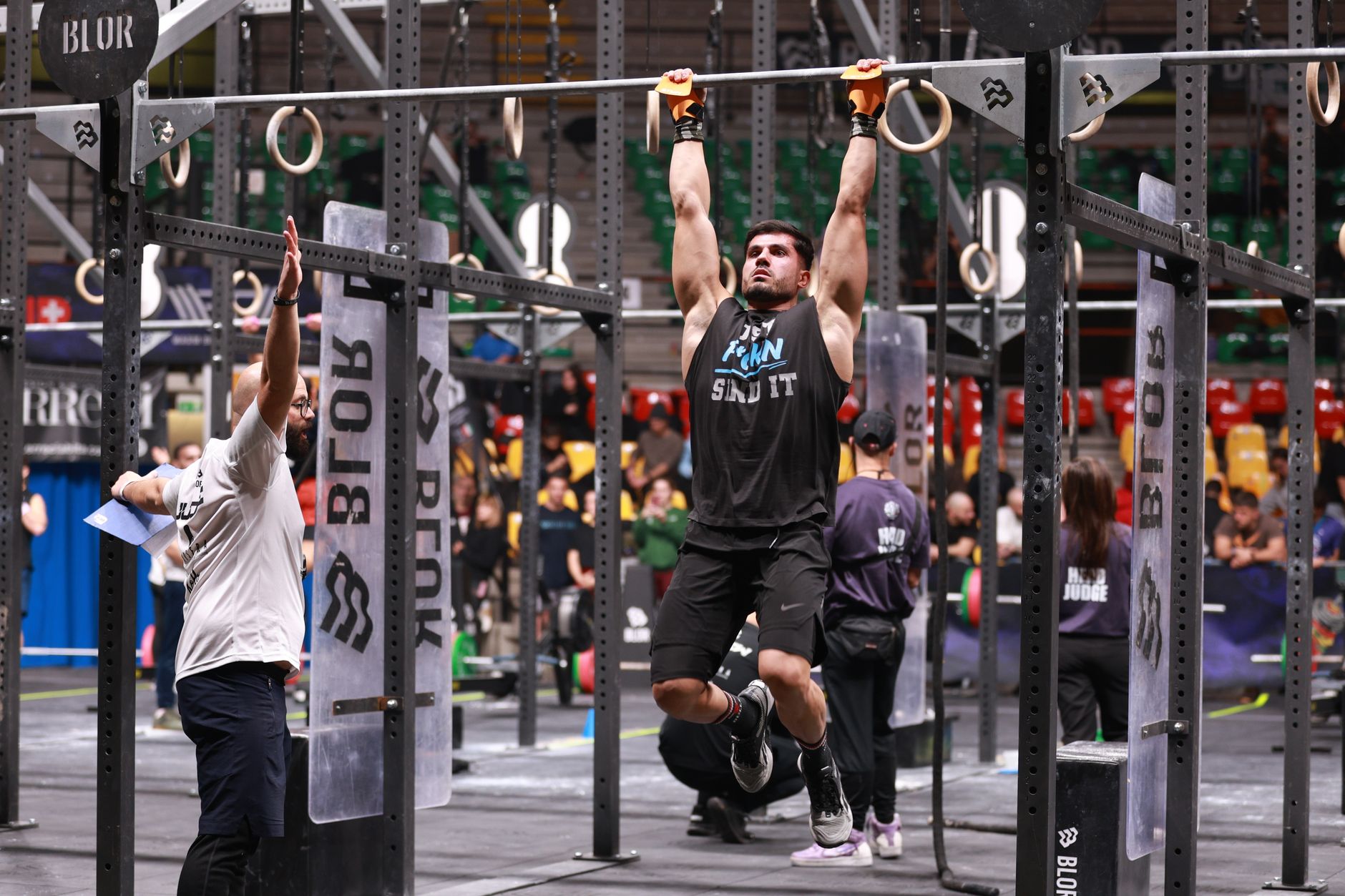
Several myths exist around rest periods that can mislead individuals in the gym:
- Myth 1: Longer rest means wasted gym time. In fact, longer rests are beneficial for strength training!
- Myth 2: You should rest the same amount every time. Individual needs vary based on training goals and intensity.
- Myth 3: If you’re not sweating, you’re not working hard enough. Effective workouts can include appropriate rest times to optimize gains.
How to Implement Structured Rest Periods
To reap the full benefits of rest, here are actionable tips:
- Use a Timer: Set a timer to regulate your rest periods strictly.
- Stay Active: Consider light movements or stretches to keep muscles engaged during rest.
- Mind Your Breathing: Focus on your breath to lower heart rates efficiently.
FAQs About Rest Periods
How does longer rest contribute to muscle recovery?
Longer rest allows more ATP to resynthesize, reducing lactate build-up and decreasing muscle fatigue.Can I shorten rest periods for fat loss?
Yes, shorter rest periods can help maintain elevated heart rates, contributing to caloric expenditure during high-intensity workouts.What is a general rule for rest times during circuit training?
Typically, 15-30 seconds of rest between exercises maintains intensity in circuit workouts.Is it necessary to take complete rest days?
Yes, complete rest days can help your muscles recover and grow effectively.Conclusion
Understanding the appropriate rest periods between sets is a vital element of successful training. Whether you want to build muscle, increase endurance, or focus on strength, tailoring your rest duration to your specific goals can greatly enhance your workouts. ElitePTS is here to support your fitness journey with expert guidance and tailored training plans to help you achieve your goals efficiently.