


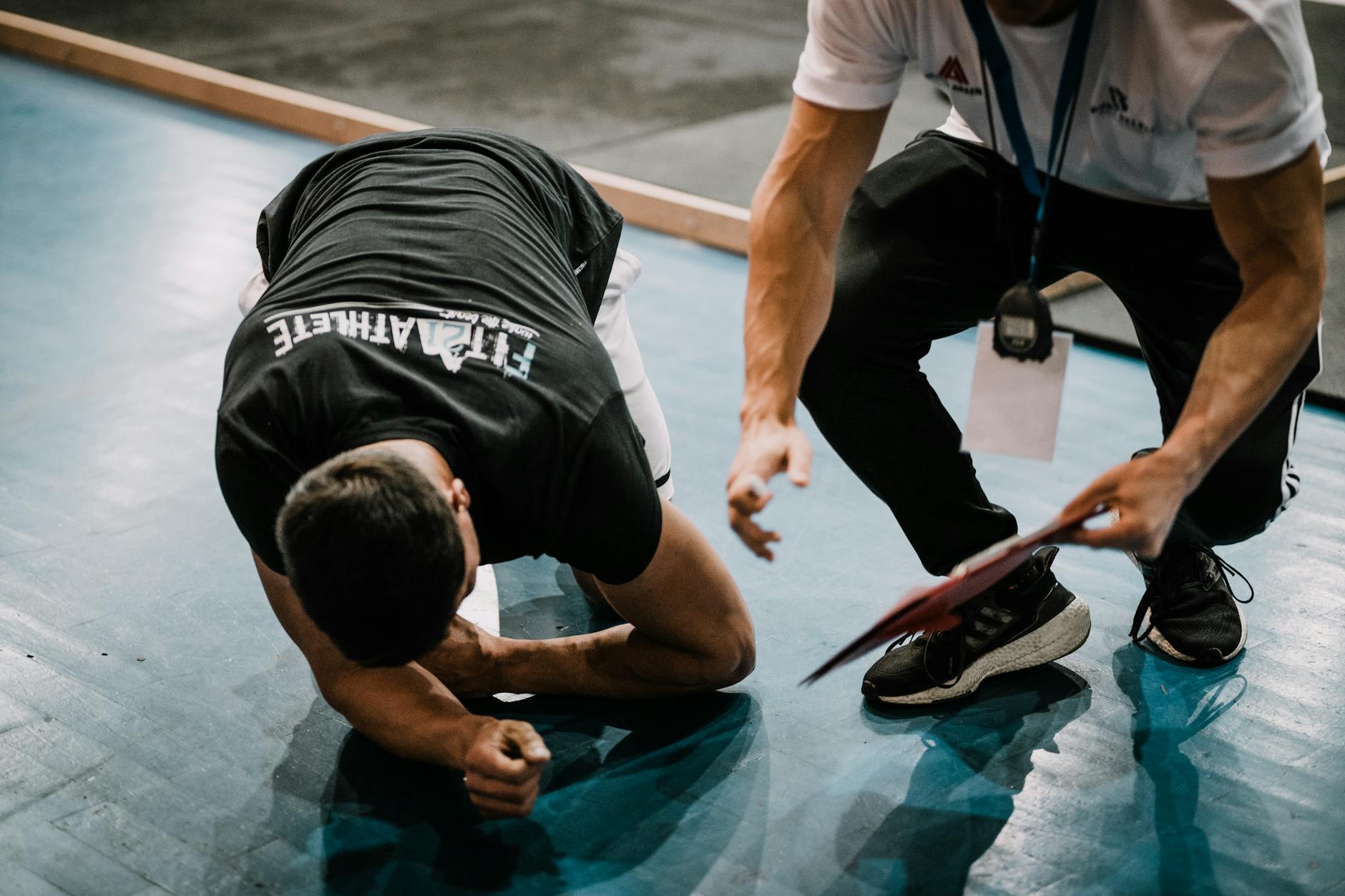
The Role of Recovery Science in Coaching Performance
Recovery science is no longer a nice bonus in high-level coaching athletes; it is a performance multiplier. The fastest way to stall progress in performance training is to chase harder sessions while ignoring the biological systems that actually turn training stress into adaptation.
Great coaches do not just write workouts. They manage the athlete’s total stress budget, decide when to push, and know when to pull back before output drops. That is where recovery science matters. It gives coaches a framework for making better day-to-day decisions around sleep, nutrition, hydration, soreness, nervous system fatigue, and readiness.
In practice, recovery science means replacing guesswork with measurable signals. It helps you answer the questions that matter most: Is this athlete ready for high force, high speed work today? Is soreness just normal tissue stress, or a sign volume is too high? Should you add another conditioning block, or would a lower-volume session produce better adaptation? For coaches building resilient athletes, recovery is not passive. It is programmed, monitored, and adjusted just like load, intensity, and exercise selection. If you want a bigger picture of how stress and adaptation interact, start with monitoring training load as the foundation for smarter planning.
Why Recovery Science Matters in Coaching Athletes
Recovery is where adaptation actually happens
Training creates disruption, not improvement. Improvement happens after the session, when the body restores glycogen, repairs damaged tissue, rebalances the nervous system, and builds a slightly higher capacity for the next exposure. That is why two athletes can complete the same program and get very different results: one has the resources to recover and adapt, the other only accumulates fatigue.
For coaches, the key shift is simple: stop treating recovery as separate from the program. Recovery is part of the dose. If the training dose is right but sleep, fueling, and scheduling are poor, the athlete still receives the wrong stimulus overall. That is especially true in team sport environments, where school, work, travel, and competition create additional stress that reduces adaptation capacity.
Readiness beats motivation when performance is the goal
Motivated athletes will often say they feel fine even when objective performance is falling. That is why elite coaching athletes requires a readiness lens. Readiness does not mean waiting until an athlete feels perfect. It means matching the day’s training demand to their current ability to express force, speed, coordination, and decision-making.
A practical coaching rule: if output is down, technique is sloppy, and recovery markers are poor, do not force the original plan. Adjust it. Swap max velocity sprints for acceleration mechanics, replace high-volume strength work with crisp top sets, or shift conditioning to low-intensity aerobic work. Coaches who make these small pivots protect long-term progress better than coaches who win the day and lose the month.
Coaching takeaway: soreness is not a badge of honor. A drop greater than 10% in jump height, sprint quality, or bar speed versus baseline is a practical red flag that recovery capacity may be compromised.
The Big Recovery Levers in Performance Training
Sleep is the highest-return intervention
If you can improve only one recovery variable, improve sleep. Research on athletes consistently links poor sleep with slower reaction time, reduced power, worse decision-making, higher injury risk, and impaired glucose regulation. Studies on sleep extension in basketball players also show improvements in sprint performance and skill accuracy. In other words, the cheapest ergogenic aid most athletes ignore is a bedtime.
For most athletes, target 8-10 hours per night during demanding blocks. If they cannot hit that, protect a consistent wake time and add a 20-30 minute nap before 3 p.m. Use a caffeine cutoff 8 hours before bed, reduce screen exposure for 60-90 minutes pre-sleep, and keep the room cool and dark. If an athlete reports less than 7 hours for two consecutive nights, reduce session volume by 20-30% or keep intensity but cut total sets.
Fueling and hydration determine how well stress is tolerated
Recovery science is not just about rest; it is about resource availability. Athletes under-eat more often than coaches realize, especially in field sports, weight-sensitive sports, and among busy adult clients. Low carbohydrate availability reduces high-intensity output. Low protein intake compromises tissue repair. Even mild dehydration can reduce power, endurance, and cognitive performance.
Use clear daily targets. For protein, aim for 1.6-2.2 g/kg/day split across 4-5 meals, with roughly 0.3 g/kg per meal. For carbohydrates, use 3-5 g/kg on light days, 5-7 g/kg on moderate training days, and 6-10 g/kg when volume is high. Replace fluids at roughly 150% of body mass lost over the next 2-4 hours, and include sodium, especially after heavy sweat losses. Coaches building complete systems should connect this with sports nutrition for performance so recovery is supported outside the gym as well.
- Post-session protein: 25-40 g within 2 hours
- Post-session carbs: 1.0-1.2 g/kg in the first 4 hours after exhaustive work
- Rehydration: fluids plus 500-700 mg sodium per liter after sweaty sessions
How Coaches Should Measure Recovery Science
Simple subjective monitoring works better than most people think
You do not need a lab to improve decisions. A short morning questionnaire often gives coaches the best cost-to-value return. Ask athletes to rate sleep quality, soreness, stress, mood, and motivation on a 1-5 scale. Track trends, not isolated bad days. When two or more markers drop below the athlete’s normal range for two straight days, that is a cue to review load, sleep, and total stress.
The reason subjective monitoring works is that fatigue is multifactorial. Athletes can hide poor bar speed, but they often reveal patterns in mood, sleep, and soreness before performance collapses. Keep it consistent, fast, and boring enough that compliance stays high. If your system takes more than 60 seconds each morning, expect drop-off.
Use objective markers to confirm, not replace, coaching judgment
Wearables, HRV, resting heart rate, jump testing, and bar velocity can all help, but none should run the program by themselves. HRV is sensitive to sleep, illness, alcohol, travel, and psychological stress, which makes it useful but noisy. A better approach is combining one readiness test with one training output test and one subjective measure.
A practical field setup is this: morning wellness survey, resting heart rate, and a pre-lift countermovement jump or first-set bar speed check. If 2 of 3 markers are off baseline, modify the session. If only one is off and movement quality is still sharp, continue but monitor. Coaches who want better load decisions alongside recovery can pair this process with velocity-based training to make intensity adjustments in real time.
Best practice: do not chase perfect data. Chase repeatable data collected the same way, at the same time, under the same conditions.
Building Recovery Into the Weekly Plan
Organize hard and easy days on purpose
The best recovery strategy is intelligent programming. High neural sessions, heavy lower-body work, sprint exposures, and hard change-of-direction drills all compete for the same recovery resources. Stacking them carelessly across the week creates hidden fatigue, especially when athletes also have practice, games, or lifestyle stress.
Use a high-low structure whenever possible. Place your highest CNS demand work on the same day, then follow with lower-intensity or technical sessions. Allow 48-72 hours between major high-force exposures for the same tissues or qualities. For many athletes, a strong weekly template is: Day 1 high intensity, Day 2 low, Day 3 moderate-high, Day 4 low, Day 5 high, Day 6 recovery or off. When a block feels flat, do not always change exercises first; check spacing and cumulative fatigue.
Deloads, illness, and travel need pre-planned rules
Most coaches wait too long to deload because they fear losing momentum. In reality, strategic unloading often restores output fast. A simple model is a deload every 4th or 5th week by reducing volume 30-50% while keeping intensity relatively high on key lifts. This maintains neural qualities while dropping fatigue.
For return-to-train after illness, use conservative progressions. After fever or systemic symptoms, wait until the athlete is 24-48 hours symptom-free before hard intervals or max effort lifting. For the first two sessions back, keep volume at 60-70% of normal and cap effort around RPE 6-7/10. For travel, especially eastward, start shifting bedtime 30-60 minutes earlier for three days pre-trip. These are the details that separate reactive coaching from professional systems design. To strengthen those systems, review progressive overload for athletes so recovery and loading evolve together rather than fight each other.
Coaches who want a simple implementation tool can also use the recovery checklist for athletes to standardize sleep, hydration, and travel routines across a roster.
FAQ: Recovery Science for Coaching Athletes
How much recovery do athletes really need between hard sessions?
It depends on the quality trained, but most athletes need 48-72 hours between heavy exposures for the same major neuromuscular demand. Max velocity sprinting, heavy lower-body lifting, and repeated eccentric loading usually require the most recovery. Technical low-fatigue work can be performed sooner.
The better question is not “how long should I wait?” but “has output returned?” If jump performance, bar speed, sprint quality, or mood are still down, the clock alone is not enough. Let performance markers and readiness data guide the final decision.
Does soreness mean the workout was effective?
No. Soreness reflects tissue stress and novelty more than training quality. Athletes can make excellent progress with minimal soreness when load, volume, and progression are well managed. Excess soreness often disrupts skill work, movement quality, and confidence more than it helps adaptation.
Coaches should treat soreness as information, not proof of success. If soreness lasts longer than 48-72 hours regularly, revisit exercise selection, eccentric volume, and weekly density. Chronic soreness is often a programming problem, not a toughness issue.
Are wearables worth using in performance training?
They can be, if they support decisions you would actually make. Wearables are useful for sleep duration, resting heart rate trends, and rough workload context, but they are less useful when coaches overreact to every fluctuation. Data without a decision rule becomes dashboard theatre.
If you use them, define triggers in advance. Example: if sleep is below 7 hours and readiness is low, reduce volume. If HRV is down but the athlete is performing well and feels good, do not automatically change the plan. Tools should serve coaching, not replace it.
What is the fastest recovery win for busy adult clients?
Consistent sleep and protein intake. Busy clients often underestimate how much progress improves when they sleep on a regular schedule and eat enough protein across the day. These changes are simple, scalable, and have a large impact on body composition, energy, and training quality.
Start with two non-negotiables: a fixed wake time and 25-40 g protein at each main meal. Add a water target and one low-intensity walk on off days. For many non-elite clients, that solves more recovery problems than expensive gadgets ever will.
How do I know when to deload?
Deload when performance trends flatten, soreness lingers, motivation drops, and technique quality slips despite normal effort. A planned deload every 4-5 weeks works well for many lifters, but auto-regulated deloads are better in chaotic sport calendars.
Look for clusters, not single bad sessions. If two or three fatigue signs appear together for a week, unloading is usually smarter than pushing through. Coaches wanting better seasonal planning can also study in-season training strategy so recovery decisions align with competition demands.
Conclusion
Recovery science gives coaches a real competitive edge because it improves the decisions between workouts, not just the workouts themselves. Better sleep targets, better fueling, better readiness monitoring, and smarter weekly structure all lead to better adaptation, fewer flat sessions, and more consistent progress in performance training.
If you are serious about coaching athletes at a higher level, stop treating recovery like an optional add-on. Build it into your program with clear rules: monitor sleep and soreness daily, reduce volume when recovery markers are poor, protect 48-72 hours between major neural stressors, and deload before output crashes. That is how evidence becomes results. For more evidence-based coaching systems, practical programming, and athlete education, visit ElitePTS articles and turn recovery science into measurable performance gains.