



Introduction: The Power Within
In the world of sports, athletic performance is as much about mental fortitude as it is about physical prowess. Self-talk, the internal dialogue that perpetuates thoughts and emotions, plays a crucial role in shaping how athletes perceive challenges and execute under pressure. Research shows that athletes who master self-talk can enhance their performance, build confidence, and improve resilience on the field.
Understanding Self-Talk in Sports

Defining Self-Talk
Self-talk refers to our internal voice that narrates our thoughts and feelings. In sports, self-talk can be categorized into:
- Positive Self-Talk: Affirmations that boost confidence.
- Negative Self-Talk: Detrimental thoughts that can hinder performance.
- Instructional Self-Talk: Strategic reminders that help maintain focus.
The Science Behind Self-Talk
Studies suggest that self-talk significantly influences athletic performance. According to a study published in the International Journal of Sports Science & Coaching, athletes who engaged in positive self-talk experienced a measurable increase in endurance and overall performance metrics.
Types of Self-Talk: A Closer Look

Positive Self-Talk
Positive self-talk can manifest in various forms, such as:
- Affirmations: Repeating motivational phrases like "I am strong" or "I can do this".
- Visualization: Imagining successful outcomes to enhance belief.
These strategies help athletes create a mental environment conducive to success.
Negative Self-Talk
Understanding negative self-talk is equally important. It often sounds like:
- "I'll never make that shot."
- "I'm not good enough."
Such thoughts can lead to anxiety and decreased performance. Recognizing when negative self-talk arises is the first step towards reframing these thoughts into positive affirmations.
Implementing Effective Self-Talk Strategies
Create a Self-Talk Script
One effective strategy is to develop a personalized self-talk script. Here’s how to create one:
- Identify your goals: What do you want to achieve in your sport?
- Craft affirmations: Write phrases that resonate with your goals and values.
- Practice regularly: Incorporate your script into your training regimen.
Use of Technology
In today’s digital age, leveraging apps or tools that remind you of positive affirmations can enhance your self-talk practice. Consider:
- Setting reminders on your phone.
- Using guided meditation apps that focus on positive self-talk.
Mental Toughness and Resilience through Self-Talk
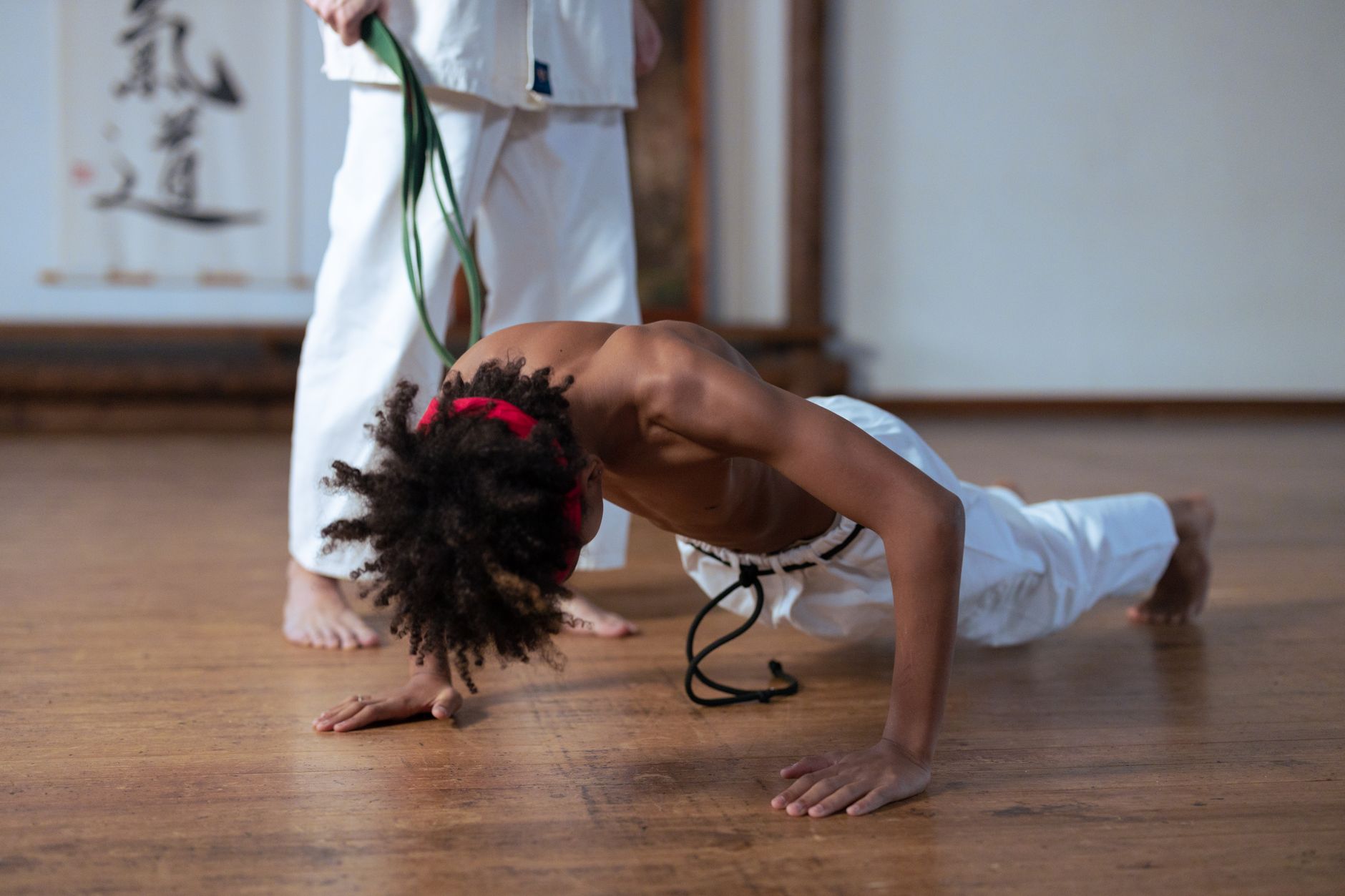
The Link Between Self-Talk and Mental Toughness
Research indicates that athletes who harness the power of self-talk develop mental toughness. A meta-analysis published in Psychology of Sport and Exercise showed that positive self-talk is correlated with higher levels of resilience.
Practical Tips for Building Mental Toughness
To strengthen mental toughness through self-talk, consider these strategies:
- Focus on the process: Concentrate on the actions, not just the outcomes.
- Embrace challenges: View obstacles as opportunities for growth.
- Stay present: Use self-talk to bring your focus back to the moment.
Self-Talk in Competition: Strategies for Game Day
Preparation and Pre-Performance Routines
Utilizing self-talk effectively during competitions is vital. Here’s how:
- Create a pre-performance routine that incorporates your self-talk script.
- Visualize success while repeating affirmations.
Managing Pressure with Self-Talk
During high-pressure situations, athletes should:
- Use calm and reassuring phrases to combat anxiety.
- Practice mindfulness to stay focused on the present.
Common Misconceptions About Self-Talk
Myth vs. Reality
Many athletes harbor misconceptions about self-talk. Let's address a few:
- Myth: Self-talk is only for the weak. Reality: All athletes use self-talk; it is how effectively you use it that matters.
- Myth: Positive self-talk is enough. Reality: It must be coupled with actionable goals and strategies.
Building a Community Around Positive Self-Talk
The Role of Coaches and Peers
Creating a supportive environment can enhance the effectiveness of self-talk strategies. Here’s how:
- Encourage teammates to share positive affirmations.
- Coaches should model positive self-talk in their instructions.
Sharing Experiences
Building discussions around self-talk can promote awareness and accountability:
- Have regular team meetings to discuss self-talk strategies.
- Encourage athletes to share personal experiences and affirmations.
FAQ about Self-Talk in Sports
What are examples of positive self-talk?
Examples include phrases like "I am capable," "I can overcome this challenge," and "Every practice makes me better."
How can I improve my negative self-talk?
Recognize negative thoughts, challenge them, and replace them with positive affirmations that reinforce your abilities.
Is self-talk effective for all athletes?
Yes, self-talk can be beneficial for athletes across all levels and sports, enhancing both motivation and concentration.
How do I implement self-talk during competition?
Create a pre-event routine that includes your affirmations and practice them during training to reinforce their impact.
Conclusion: Unlock Your Potential
Self-talk is a powerful tool that can significantly enhance your athletic performance. By harnessing the principles of positive self-talk, developing mental toughness, and fostering a supportive community, you can unlock your potential in your sport. At ElitePTS, we understand the importance of mindset in athletic success. Contact us today to learn more about our training programs that integrate mental strategies into physical performance!