


Introduction
If you're a fitness enthusiast or athlete looking to transition into personal training, setting up a personal training studio can be a thrilling venture. Not only does it allow you to facilitate workouts more effectively, but a well-designed space can motivate clients to reach their fitness goals. In this comprehensive guide, we will cover everything you need to know about personal training studio setup, from essential equipment to layout and design concepts to ensure your space is functional and inviting.
1. Defining Your Purpose and Space

Before you dive into purchasing gym equipment, it's crucial to define the purpose of your personal training studio. Consider the types of clients you'll be serving and the training styles you'll focus on.
1.1 Assessing Your Space
What space do you have available? Here are some factors to consider:
- Square Footage: Determine the size of your studio. A larger space allows for more equipment and client movement.
- Natural Light: If possible, choose a well-lit space to create a welcoming atmosphere.
- Access to Utilities: Ensure that your space has easy access to electricity and water for equipment and cleaning.
1.2 Identifying Your Niche
Your studio could focus on:
- Strength training
- Functional fitness
- Group classes
- One-on-one training
By identifying your specialty, you can tailor your equipment and furnishings accordingly.
2. Essential PT Studio Equipment
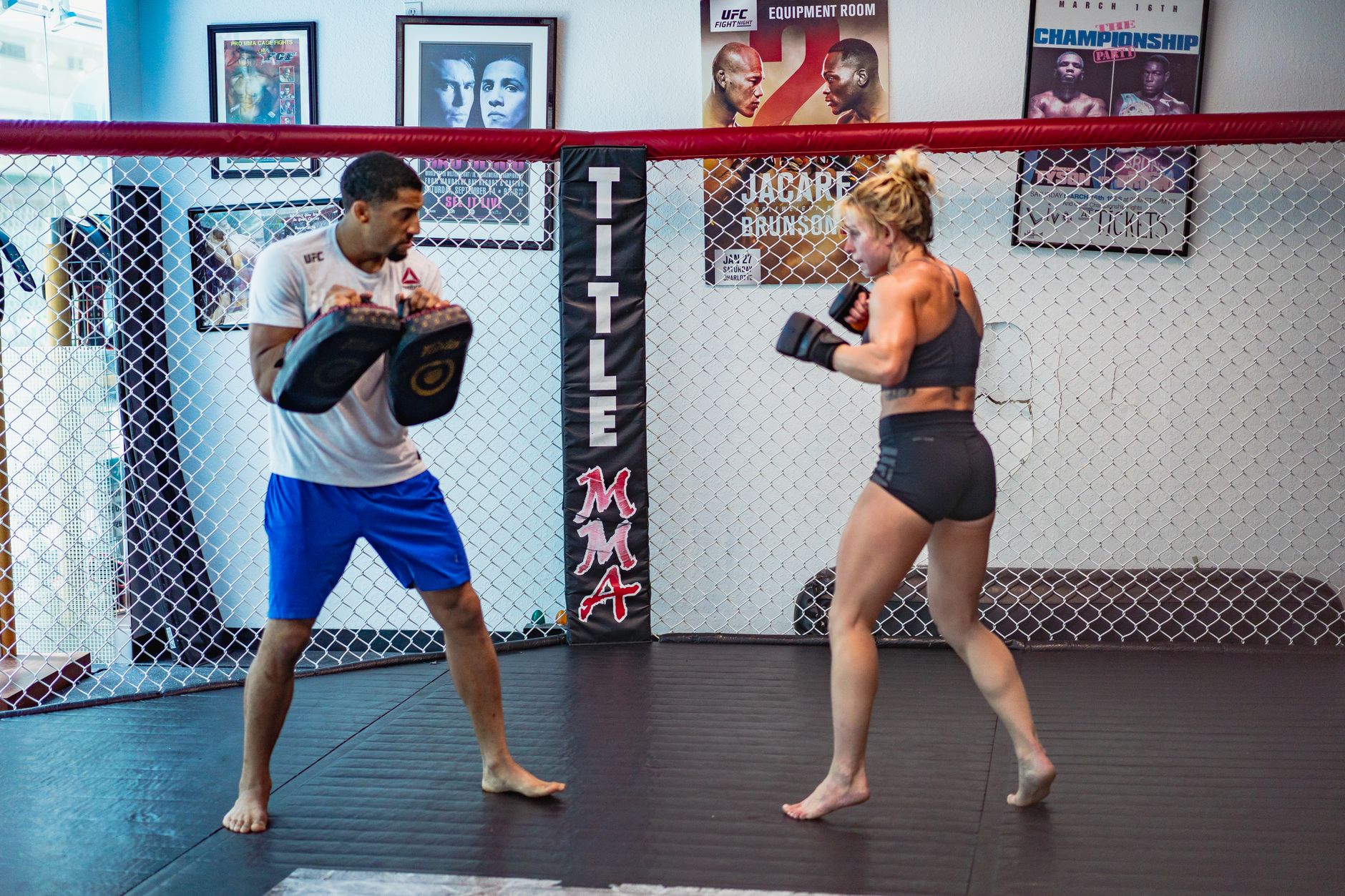
One of the most critical aspects of your fitness studio setup is selecting the right equipment that aligns with your service offering.
2.1 Must-Have Equipment
Here’s a breakdown of essential PT studio equipment:
- Dumbbells: Offer a range of weights to cater to different fitness levels.
- Kettlebells: Great for strength and endurance training.
- Resistance bands: Versatile and ideal for various exercises.
- Yoga mats: Useful for core workouts and flexibility exercises.
2.2 Cardio Machines
Depending on your space, consider including:
- Treadmills: For running enthusiasts.
- Stationary bikes: Excellent for low-impact cardio.
- Great for full-body workouts.
2.3 Functional Training Tools
Tools like stability balls, foam rollers, and plyometric boxes enhance your offerings. These are ideal for functional training sessions.
3. Creating a Welcoming Environment
After assembling your equipment, focus on aesthetics and ambiance to enhance the client experience.
3.1 Studio Layout
A well-thought-out layout maximizes space and improves workflow:
- Open Spaces: Create clear pathways to avoid overcrowding.
- Designated Zones: Allocate areas for strength training, cardio, and stretching.
3.2 Lighting and Color Schemes
Invest in good lighting to boost energy levels. Choose uplifting color schemes such as:
- Bright Colors: Motivational hues like orange and yellow.
- Neutral Colors: Create a calm atmosphere with whites and greys.
4. Marketing Your Personal Training Studio

While setting up your personal training studio is critical, marketing your services is just as essential to attract clients.
4.1 Social Media Strategies
Utilize platforms like Instagram and Facebook to:
- Share client success stories
- Offer tips and free workouts
4.2 Local Networking
Join local health and wellness events to connect with potential clients in your community:
- Attend fitness expos: Showcase your studio.
- Collaborate with local gyms: Host joint events.
5. Maintaining a Safe and Clean Environment
Your health and safety policies should reflect the professionalism of your studio.
5.1 Sanitation Practices
Incorporate robust cleaning routines by:
- Cleaning Equipment Regularly: Use disinfectants on all surfaces.
- Implementing a No-Shoe Policy: Keep the studio clean.
5.2 Safety Procedures
Educate clients on safe workout practices and ensure all equipment is in good condition.
6. Legal and Business Considerations
Before officially opening your studio, take care of necessary business logistics.
6.1 Business Licenses
Research local regulations about:
- Business structure
- Licensing requirements
6.2 Insurance Policies
Invest in liability insurance to protect against potential injuries and lawsuits.
FAQs
What is the average cost of setting up a personal training studio?
The cost varies widely, but budgeting between $5,000-$30,000 is reasonable depending on your space and equipment choices.
How much space do I need for a personal training studio?
A minimum of 200-300 square feet is ideal for personal training, but more space allows for greater flexibility.
What equipment should I invest in first?
Start with versatile equipment like dumbbells and resistance bands, and expand as your client base grows.
How do I attract clients to my studio?
Utilize social media, local events, and promotions to increase visibility and generate interest.
Conclusion
By following the steps outlined in this complete guide to setting up your personal training studio, you position yourself for success in the fitness world. Remember to tailor your space to meet the needs of your clientele while creating an enjoyable atmosphere for training. If you're ready to elevate your career, consider partnering with ElitePTS for expert support and resources to enhance your coaching business.