


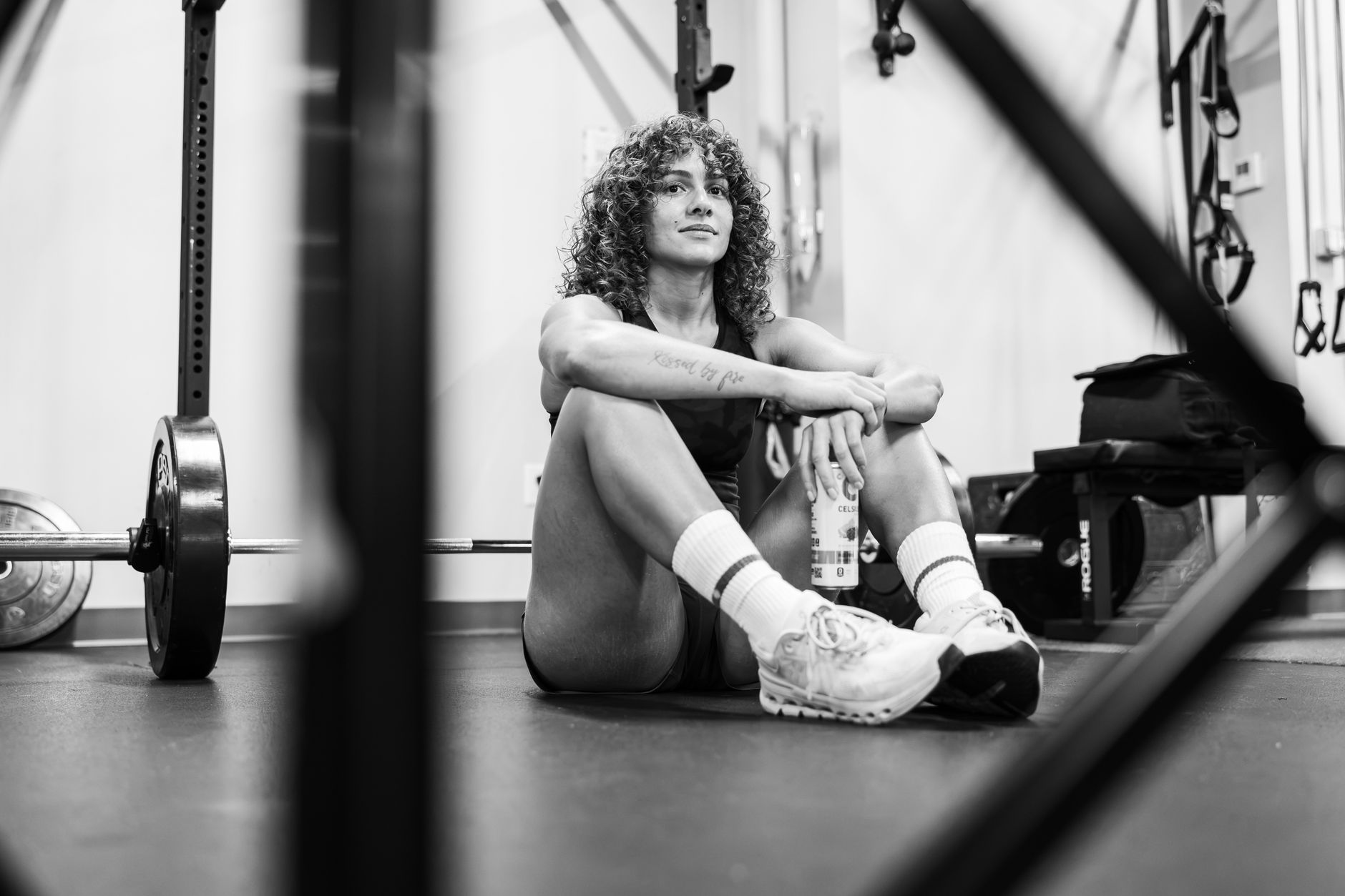
Should You Use CBD for Post-Workout Inflammation?
CBD for recovery is one of the most searched recovery trends in fitness right now, but popularity is not proof. If you want faster gains, less soreness, and better training decisions, the real question is simple: does CBD meaningfully help post-workout inflammation, or is it mostly marketing wrapped in a wellness label?
For athletes, lifters, and coaches, recovery tools should earn their place the same way a program does: with measurable upside, manageable risk, and clear application. CBD may help some people with sleep, pain perception, and anxiety, but the evidence for directly improving training recovery is still limited. That means the smartest move is not blind hype or total dismissal—it is using the current science to decide when CBD fits, when it does not, and what better-supported natural recovery options should come first.
In this guide, we will break down what inflammation after training actually means, where CBD might help, what the research still cannot confirm, how athletes can use it more safely, and the exact recovery hierarchy we would prioritize before spending money on another supplement. If you want practical, evidence-based recovery, this is the playbook.
What post-workout inflammation actually is—and when you should not suppress it
Acute inflammation is often part of adaptation
Hard training creates microtrauma, metabolic stress, and temporary immune activity. That process can increase cytokines, fluid shifts, soreness, and stiffness for 24 to 72 hours depending on training status, volume, sleep, and nutrition. In many cases, that short-term inflammatory response is not the enemy—it is part of how the body signals repair and adaptation.
This matters because many athletes assume all inflammation is bad. It is not. If you blunt every post-lift signal too aggressively, you may reduce some of the remodeling you actually want from training. This is one reason coaches are cautious with chronic overuse of high-dose NSAIDs, excessive icing, and any recovery strategy promoted as “anti-inflammatory” without context. The goal is not zero inflammation. The goal is enough recovery to train well again while allowing adaptation to happen.
When inflammation becomes a performance problem
Inflammation becomes more concerning when it is excessive, poorly managed, or stacked on top of inadequate recovery. Signs include persistent swelling, range-of-motion loss, sleep disruption, repeated drops in power output, elevated resting heart rate, or soreness lasting far beyond the normal window for the session. In that situation, you are no longer just dealing with productive training stress—you are drifting toward under-recovery.
For practical use, monitor three things after demanding sessions: pain at rest, joint-specific swelling, and next-day performance. If soreness is present but you can hit planned loads within 2 to 5% of baseline, recovery is usually adequate. If pain localizes to a joint, swelling increases, or output stays depressed for multiple sessions, treat it as a management issue instead of “good soreness.” Deload planning and tracking recovery markers between workouts will move the needle more consistently than chasing a single supplement.
What the research says about CBD for recovery and soreness

Evidence for direct recovery benefits is promising but weak
CBD interacts with the endocannabinoid system indirectly and may influence pain perception, stress response, and sleep. Mechanistically, there are plausible reasons it could affect recovery. The problem is that plausible mechanisms are not the same as proven outcomes in trained humans after hard exercise.
Current human research on CBD for recovery is small, mixed, and limited by inconsistent dosing, product quality, and study design. Some early studies and athlete surveys suggest possible benefits for subjective soreness, sleep quality, and perceived recovery. But there is not strong evidence that CBD reliably reduces muscle damage markers, accelerates tissue repair, or improves performance in the next session. In plain English: some people may feel better, but we cannot confidently say they are physiologically recovering faster.
What CBD may help most: pain, sleep, and stress
The strongest practical case for CBD is not “it crushes inflammation.” It is that certain athletes may experience reduced discomfort, less pre-sleep arousal, or improved relaxation after intense training blocks. That can matter because better sleep and lower stress often improve recovery indirectly. If CBD helps you fall asleep 20 to 30 minutes faster or stay asleep more consistently, the real recovery benefit may come from sleep architecture rather than direct anti-inflammatory action.
Research trend: the clearest current potential for CBD in sport recovery is improved subjective outcomes—especially pain, anxiety, and sleep—while objective recovery outcomes remain uncertain.
That distinction is critical for coaches. If an athlete reports, “CBD helps me unwind and sleep after evening sessions,” that is different from claiming it speeds muscle protein synthesis or reduces DOMS in a clinically meaningful way. Those are not the same outcome, and only one is reasonably supported right now. If sleep is the main bottleneck, start by tightening sleep habits for recovery and performance before assuming CBD is the missing piece.
Safety, legality, and supplement quality: the part athletes cannot ignore
CBD is not risk-free, especially for tested athletes
CBD is legal in many regions, but legality does not equal safety, and “THC-free” labels are not always accurate. For drug-tested athletes, the big issue is contamination. The World Anti-Doping Agency does not prohibit CBD itself, but cannabinoids like THC remain prohibited in competition above threshold levels. A mislabeled product can create a real anti-doping risk.
There are also basic health considerations. CBD can cause drowsiness, gastrointestinal upset, appetite changes, and interactions with medications metabolized through liver enzyme pathways. If you are using anticoagulants, seizure medications, antidepressants, or sleep medications, you should not freestyle this decision. A physician or pharmacist should review it first.
How to choose a lower-risk product
If you decide to trial CBD, quality control is non-negotiable. Look for third-party testing with a recent certificate of analysis showing CBD content, THC level, heavy metals, residual solvents, and microbial testing. Broad-spectrum or isolate products may reduce THC exposure risk, but even then, choose a brand with transparent batch testing and athlete-safe manufacturing standards.
Use this quick screen before buying:
- Certificate of analysis: batch-specific and easy to access
- THC disclosure: explicit number, not vague marketing language
- Dose per serving: clearly labeled in milligrams
- Form: oil, capsule, or gummy with consistent delivery
- Testing: heavy metals, pesticides, solvents, microbes
For a broader evidence-first approach to supplements, coaches should also compare CBD against better-supported options discussed on Peak by ElitePTS, especially when the recovery goal is measurable performance instead of just feeling calmer.
How to use CBD pragmatically if you still want to trial it
Dosing strategy: start low, test one variable at a time
There is no universally established sport-recovery dose, which is one reason blanket recommendations are irresponsible. In practice, a conservative trial is smarter than jumping to large doses. Many users begin with 10 to 25 mg of CBD taken in the evening for 5 to 7 days, then adjust by 5 to 10 mg based on effect and tolerance. Heavier athletes or those using it primarily for sleep may end up in the 25 to 50 mg range, but more is not automatically better.
To generate useful data, change only one thing at a time. Do not add magnesium, tart cherry, a new sleep routine, and CBD all in the same week. You will have no idea what worked. Track sleep latency, number of night awakenings, morning soreness, session RPE, and next-day performance. If you do not see a meaningful benefit inside 10 to 14 days, it probably should not stay in the plan.
Best timing and use cases
The most defensible timing for CBD is usually 60 to 90 minutes before bed when the goal is reducing arousal, discomfort, or pre-sleep restlessness after late training. Using it immediately post-workout purely to shut down inflammation is less compelling from an evidence standpoint. Topical CBD products may help some users with localized discomfort, but penetration, dosing consistency, and actual efficacy remain hard to verify.
A practical athlete protocol looks like this:
- Use only during high-stress blocks, travel, or late-night training phases
- Trial for 10 to 14 days, not indefinitely by default
- Take 10 to 25 mg 60 to 90 minutes before bed
- Do not use before technical training if it makes you sleepy
- Stop immediately if you notice grogginess, GI upset, or mood changes
If your main issue is soreness from poor workload management, a better return may come from adjusting volume landmarks and using active recovery versus complete rest days more intelligently.
What works better than CBD for post-workout inflammation in most cases
Recovery basics beat supplements almost every time
If you are under-sleeping, under-eating, and overreaching, CBD is not your fix. The highest-yield recovery interventions remain boring because they work: adequate total calories, protein distribution, carbohydrate replenishment, hydration, smart programming, and enough sleep. Athletes chasing “natural recovery” often skip the fundamentals and spend money backward.
Here is the order of operations we would prioritize before CBD for most clients:
- Sleep: 7.5 to 9 hours with consistent bed and wake times
- Protein: roughly 0.3 g/kg per meal across 4 to 5 meals daily
- Carbohydrate after hard training: 1 to 1.2 g/kg in the first 2 to 4 hours when rapid recovery matters
- Hydration: replace around 125 to 150% of fluid lost across the next several hours
- Programming: match hard sessions with true low-intensity days
Evidence-supported add-ons with more upside
Once the basics are tight, some add-ons have stronger support than CBD depending on the goal. Creatine monohydrate may aid training quality and resilience over time. Tart cherry can modestly help soreness and recovery in some contexts, especially around competition clusters. Omega-3s may support systemic inflammation management, though dosing and individual context matter. Compression, low-intensity aerobic recovery, and strategic mobility can also improve how athletes feel between sessions.
For high-volume athletes, one of the best “hacks” is pairing a 10- to 20-minute easy bike or walk with a post-session carb-plus-protein feeding rather than collapsing on the couch. That simple combo often reduces stiffness better than another pill or gummy. For deeper education on recovery nutrition, see Peak and our guide to post-workout nutrition for recovery.
Who should consider CBD—and who probably should not
Best-fit scenarios for a CBD trial
CBD may be worth a cautious trial for athletes who have already handled the fundamentals and have a specific problem it might reasonably address. Good examples include the athlete who struggles to downshift after late training, the combat sport competitor dealing with travel-related sleep disruption, or the client who experiences mild persistent soreness that is more about pain perception than actual tissue limitation.
In those cases, CBD is not the centerpiece of recovery. It is a possible support tool around a well-built plan. The athlete should know the target outcome in advance: fewer night awakenings, lower pre-bed tension, or reduced perceived soreness. If the target is vague—“I just want better recovery somehow”—the trial is already too loose to evaluate.
Red-flag scenarios where CBD is a poor choice
CBD is a poor first choice when the issue is sharp pain, major swelling, joint instability, repeated soft-tissue injury, unexplained fatigue, or signs of overtraining. Those require assessment, not self-medication. It is also a poor fit for drug-tested athletes without verified third-party product screening, and for anyone using medications with possible interactions unless cleared medically first.
Most importantly, do not use CBD to cover up a programming problem. If weekly volume jumps 30%, if your lower body sessions are stacked too tightly, or if lifestyle stress is crushing sleep, the solution is better load management. Suppressing symptoms without fixing the cause is how athletes stay sore, flat, and frustrated.
FAQ: CBD for post-workout inflammation
Does CBD reduce muscle inflammation after exercise?
Possibly a little in some individuals, but the current human evidence is not strong enough to say it reliably reduces exercise-induced inflammation in a way that improves performance or speeds tissue recovery. The better-supported benefit is reduced perceived discomfort or improved sleep in some users.
That means you should judge CBD by outcomes you can actually measure, like sleep quality, soreness scores, and next-session readiness—not by assuming it is “healing inflammation” behind the scenes.
Can CBD help with DOMS?
It may help some people feel less sore, but it is not a guaranteed DOMS solution. Delayed onset muscle soreness is influenced by training novelty, eccentric load, volume, sleep, and nutrition. CBD may affect pain perception more than the underlying muscle damage process.
If DOMS is a major issue, first address exercise progression, warm-up quality, carbohydrate intake, hydration, and low-intensity movement the next day.
What CBD dose should athletes use for recovery?
A cautious starting range is 10 to 25 mg, usually in the evening, then titrate only if needed. Some users may trial up to 25 to 50 mg, but there is no universally proven athletic recovery dose.
Use the lowest effective amount, track outcomes for 10 to 14 days, and avoid products without third-party verification.
Is CBD allowed in sport?
CBD itself is not prohibited by WADA, but many other cannabinoids are. The real risk is contamination or mislabeling, especially with THC. Drug-tested athletes should treat this seriously.
If you compete, only consider products with rigorous third-party testing and understand that “safe” marketing claims are not the same as anti-doping certainty.
Is CBD better than other natural recovery tools?
Usually no. For most athletes, sleep, protein, carbs, hydration, load management, and active recovery provide a bigger and more predictable payoff than CBD. CBD is more of a targeted optional tool than a foundation.
Use it only after the basics are locked in and only if you have a clear reason to test it.
Conclusion: should you use CBD for post-workout inflammation?
CBD for recovery is not magic, and it should not be sold like a shortcut to faster adaptation. Based on current evidence, CBD may help some athletes indirectly through better sleep, lower stress, or reduced perceived soreness, but the case for meaningfully improving post-workout inflammation itself is still limited. For most lifters, team-sport athletes, and general clients, the biggest wins still come from sleep, nutrition, hydration, programming, and smart recovery structure.
If you want to trial CBD, do it like an athlete: use a verified product, start low, track outcomes, and keep the goal specific. If it does not improve sleep, soreness, or next-day readiness within two weeks, cut it. Real natural recovery is not about following trends—it is about stacking interventions that measurably improve performance.
Want a recovery system built on evidence instead of hype? Explore more recovery articles at ElitePTS and use the Elite Catalyst approach to turn science into stronger training decisions, faster progress, and fewer wasted months.