



Introduction: The Foundation of Athletic Performance
For athletes, performance hinges not just on physical training and nutrition, but also significantly on sleep quality. In recent years, researchers have increasingly highlighted the critical role of sleep hygiene in optimizing athletic performance. A robust sleep hygiene protocol enables athletes to recover, rebuild, and perform at their best. In this article, we will delve into actionable strategies that can help athletes enhance their sleep quality and, consequently, their overall performance.
Understanding Sleep Hygiene

What is Sleep Hygiene?
Sleep hygiene refers to a collection of practices and habits that are conducive to sleeping well on a regular basis. These protocols are particularly beneficial for athletes, who require optimal recovery and performance.
Why Sleep is Critical for Athletes
Numerous studies confirm that adequate sleep plays a pivotal role in:
- Physical recovery: Muscle repair and growth occur primarily during deep sleep.
- Cognitive function: Sleep enhances concentration, decision-making, and reaction times.
- Emotional resilience: Quality sleep helps regulate mood and stress levels, crucial for competitive environments.
Key Components of an Effective Sleep Hygiene Protocol

1. Establishing a Consistent Sleep Schedule
One of the cornerstones of improving sleep for performance is maintaining a regular sleep schedule. Going to bed and waking up at the same time every day can significantly enhance your circadian rhythm, leading to improved sleep quality.
2. Creating an Optimal Sleep Environment
Environmental factors can profoundly impact sleep quality. Here’s how to optimize your sleep environment:
- Temperature: Keep your bedroom cool (around 65°F or 18°C).
- Darkness: Use blackout curtains to prevent light from disrupting your sleep.
- Noise: Consider white noise machines or earplugs to mitigate disruptive sounds.
3. Limiting Stimulants and Heavy Meals
Avoid caffeine and nicotine close to bedtime, and limit heavy or spicy meals in the hours leading up to sleep. A light snack can be beneficial, but avoid large meals.
Advanced Strategies for Sleep Improvement
4. Utilizing Recovery Techniques
Incorporating recovery techniques can help athletes transition into restful sleep. Some effective strategies include:
- Foam Rolling: Helps release muscle tension and improve circulation.
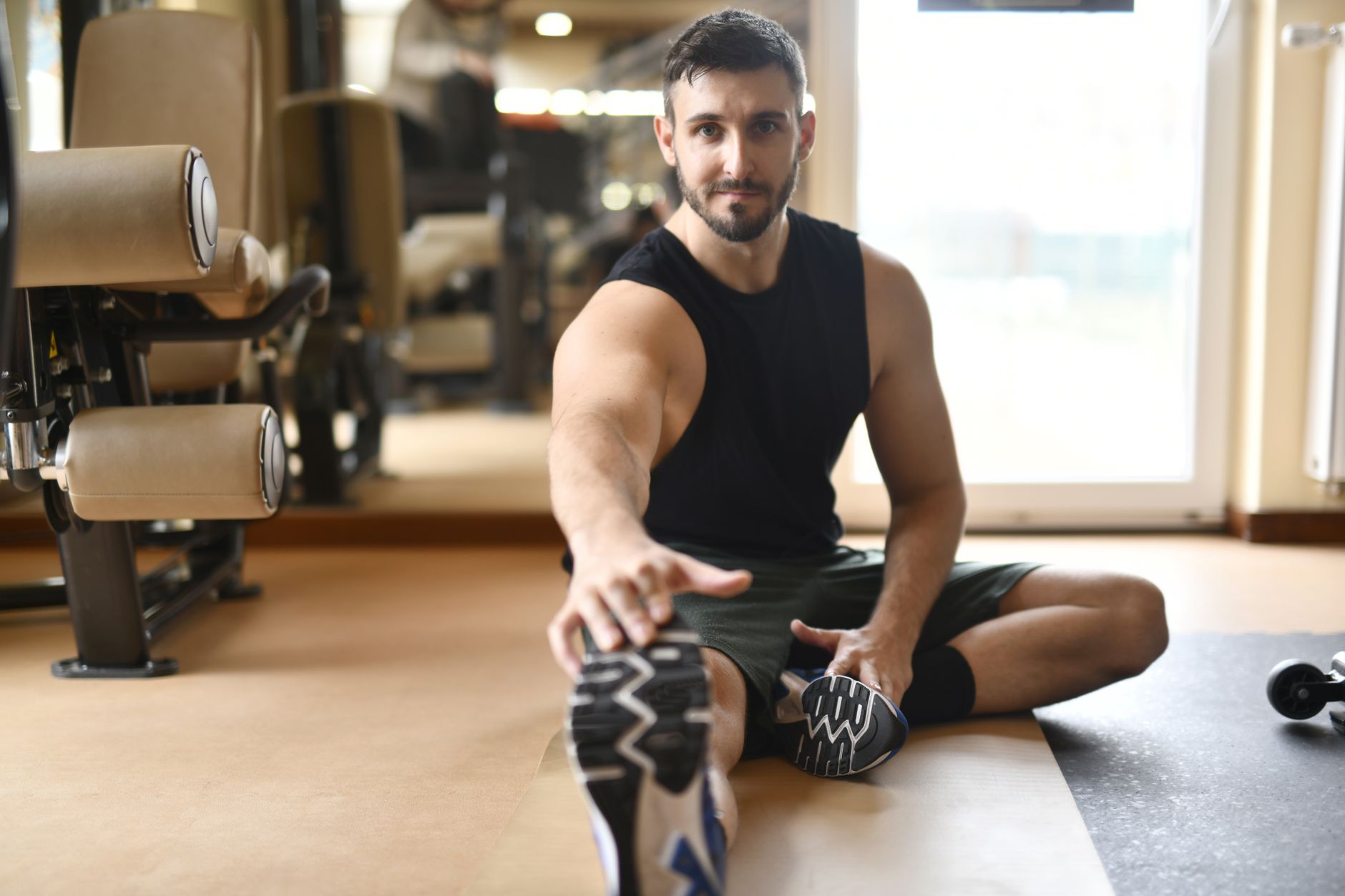
- Stretching: Light stretching before bedtime promotes relaxation.
- Breathing Exercises: Techniques such as deep breathing can calm the mind and body.
5. Monitoring Sleep with Technology
Use wearable devices or sleep apps to track sleep patterns, which can provide valuable insights and help you refine your sleep quality protocol. Look for trends in sleep quality, and adjust your habits accordingly.
6. The Role of Naps
While adequate nighttime sleep is essential, strategic napping can also enhance performance. Here are tips for effective napping:
- Limit duration: Keep naps around 20-30 minutes to prevent grogginess.
- Timing: Aim for early afternoon to avoid disrupting nighttime sleep.
Nutrition’s Influence on Sleep Quality
7. Nutritional Strategies to Enhance Sleep
The foods you consume can impact your ability to fall asleep and stay asleep. Factors to consider include:
- Magnesium-rich foods: Foods like spinach, almonds, and bananas help relax muscles.
- Complex carbohydrates: Foods like oats or quinoa can promote sleepiness.
- Hydration: Stay hydrated, but reduce fluid intake near bedtime to minimize bathroom trips.
8. Supplements for Sleep Support
Some athletes may benefit from supplements that promote sleep, such as:
- Melatonin: A hormone that regulates sleep-wake cycles.
- Magnesium: Helps reduce insomnia and promotes relaxation.
FAQs About Sleep Hygiene for Athletes
1. How many hours of sleep do athletes need?
Most athletes require between 7-9 hours of sleep per night, with variations depending on the intensity of training and individual needs.
2. Can sleep affect muscle recovery?
Absolutely! Sleep is when muscle recovery occurs. Growth hormones are released during deep sleep, facilitating repair and growth.
3. What are signs of poor sleep hygiene?
Common signs include daytime fatigue, difficulty concentrating, mood swings, and an increase in injury risk.
4. Should I avoid screens before bed?
Yes, the blue light emitted from screens can disrupt melatonin production. It’s recommended to limit screen time 1-2 hours before bedtime.
Conclusion: Elevate Your Performance with Elite Sleep Habits
Establishing a strong sleep hygiene protocol is essential for athletes looking to maximize their performance. By adopting elite sleep habits and prioritizing quality sleep, you will not only enhance your recovery but also improve your overall athletic capabilities. For more personalized guidance, consider reaching out to ElitePTS, where our expert trainers can assist you in integrating effective recovery strategies into your training regimen.