


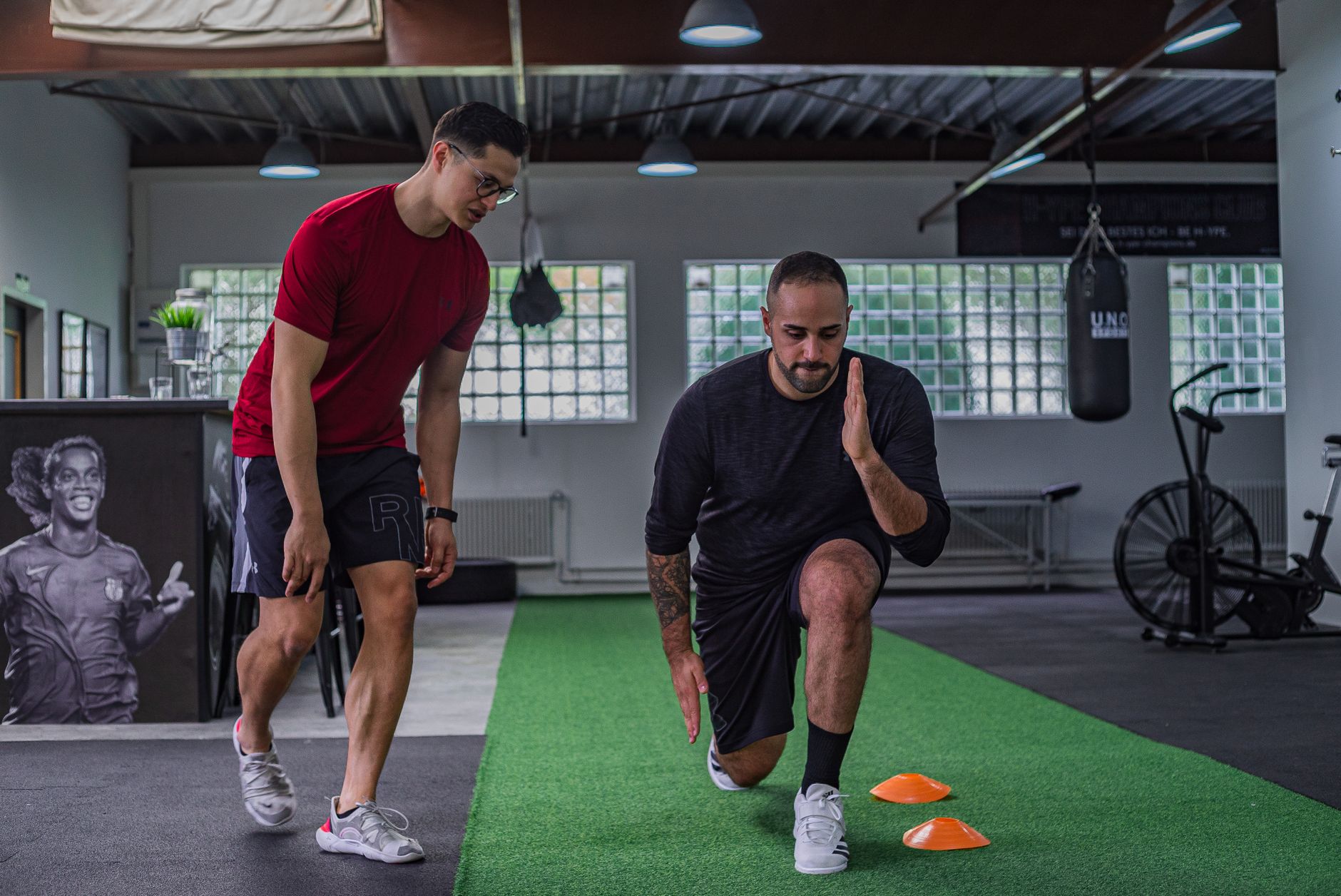
The Strategic Guide to Trainer Collaborations and Joint Ventures
Great coaches do not always grow by doing more alone. A smart trainer collaboration can expand reach, deepen expertise, and create new revenue without diluting service quality.
For fitness professionals, the real opportunity is not random networking. It is building a repeatable system for a PT joint venture or fitness partnership deal that improves client outcomes and business resilience at the same time.
When personal trainers think about growth, they often default to content creation, ad spend, or raising prices. Those tactics matter, but strategic partnerships can move faster because they borrow trust instead of buying attention. A trainer who pairs with a physio, nutrition coach, strength specialist, sport coach, or another trainer with a complementary niche can create a stronger client experience from assessment to retention.
That matters because behavior-change research consistently shows that accountability, social support, and perceived competence improve exercise adherence. In practice, when clients feel they have a coordinated team instead of a fragmented service, they stay engaged longer and see clearer progress. If you want to collaborate personal trainers more effectively, the goal is not just cross-promotion. The goal is strategic fit, operational clarity, and measurable value for both partners and clients.
Evidence note: Exercise behavior literature and coaching research repeatedly show that support, autonomy, and competence are major drivers of adherence. Strong partnerships can amplify all three.
Why trainer collaboration is a serious growth strategy
Expand your market without discounting
A well-built trainer collaboration lets you access a warmer audience than any cold campaign. If you train general population adults and partner with a pelvic health physio, run coach, or youth sport specialist, you immediately become relevant to a group that already trusts your partner. That lowers acquisition friction and protects your brand from becoming dependent on promos or introductory discounts.
In practical terms, collaborations also help you solve “next step” problems. A client who finishes rehab may need progressive strength coaching. A hypertrophy client may need better nutrition support. A weight-loss client may need a sustainable walking and resistance routine. When you can provide a connected solution through a trusted partner, you increase conversion while reducing client drop-off between services.
Improve outcomes through complementary expertise
The best partnerships are clinically and commercially useful. A strength coach can improve programming quality by collaborating with a mobility-focused coach. A personal trainer working with busy executives may add a sleep or stress specialist. A semi-private training studio may partner with a sport performance coach for off-season development blocks. Each model makes the client experience more complete.
This also supports professional credibility. Clients increasingly expect coordinated care, not isolated sessions. If your systems resemble a small performance team, your business feels more premium. That is one reason many coaches studying premium personal training positioning eventually realize that partnership strategy is part of brand strategy, not a side tactic.
How to choose the right PT joint venture partner

Start with audience, capability, and trust fit
A good PT joint venture starts with overlap, not friendship. Ask three questions: Do we serve the same person? Do we solve different parts of the same problem? Would I trust this coach with my best client? If the answer to any of those is unclear, keep networking but do not build a formal deal yet.
Look for complementary specialization, similar service standards, and evidence of results. Review how they coach, communicate, and onboard. If possible, observe a session or swap a paid assessment. Your reputation transfers through any referral, so quality control is not optional. A partner with a large audience but poor delivery can cost more than they bring.
Screen for values and operational compatibility
Many partnership failures come from values mismatch, not bad intent. One coach wants long-term behavior change, the other pushes hard sells. One prioritizes session notes and follow-up, the other improvises everything. That friction eventually hits the client. Before you sign anything, compare how you handle assessments, communication, cancellations, and scope of practice.
Use a simple discovery checklist:
- Niche: Who is the primary client and what problem do you solve?
- Method: How do you assess, prescribe, and progress?
- Capacity: Can you actually take referrals within 7-14 days?
- Standards: What client experience is non-negotiable?
- Risk: How will you handle complaints, injuries, or missed deliverables?
If you need help tightening your own intake standards first, review a structured personal training assessment process before bringing partners into your client journey.
Designing a fitness partnership deal that works
Pick the right model before discussing money
Not every fitness partnership deal should be a revenue split. Start by choosing the collaboration format that matches the problem. Common options include referral-only agreements, co-hosted workshops, joint challenges, bundled service packages, or recurring hybrid offers such as training plus nutrition support. The simpler the offer, the easier it is to test.
For example, two Edmonton coaches might pilot a six-week “Run Strong” package: one handles strength sessions, the other delivers gait analysis and run programming. Another option is a quarterly seminar for desk-bound professionals combining mobility, strength basics, and habit coaching. Both models validate demand before either coach commits to a bigger integration.
Define economics, ownership, and safeguards
Once the model is clear, document the mechanics. Who sells the offer? Who invoices? Who owns the leads? How are refunds handled? What happens if one partner cannot deliver? Ambiguity kills momentum because each coach starts making different assumptions about fairness and effort.
Your agreement should cover at minimum:
- Offer scope: exactly what the client receives
- Roles: delivery, admin, sales, follow-up, reporting
- Compensation: flat referral fee, percentage split, or package allocation
- Data ownership: CRM, email list, and retargeting rights
- Brand usage: logos, testimonials, and content approvals
- Exit terms: notice period, client transition plan, outstanding payments
A practical rule: if one coach controls acquisition and admin while the other only delivers sessions, a pure 50/50 split may be unfair. Match compensation to contribution. That same pricing logic applies when structuring services internally, which is why articles on pricing personal training services are useful context before negotiating a partnership.
Operational playbook for collaborating personal trainers
Map the client journey and handoff points
The fastest way to lose trust is a messy handoff. Clients should know who leads, when the partner enters, and what success looks like. Map the full journey from lead capture to consult, assessment, plan delivery, coaching touchpoints, and review. If there is more than one coach involved, the client must never feel like they are repeating the same story twice.
A reliable protocol looks like this: primary coach qualifies the lead, runs the initial assessment, introduces the partner with a written rationale, shares relevant notes, and schedules the first session before the client leaves. This kind of structure improves perceived professionalism and supports retention. For deeper retention thinking, study how to retain personal training clients and apply those same principles across partners.
Set communication rhythms and service standards
When coaches collaborate personal trainers often focus on marketing first, but operations are what make a joint venture repeatable. Decide how often you will review cases, what metrics you share, and where communication lives. A weekly Slack thread, a shared client note system, and a 20-minute biweekly review is enough for many small partnerships.
Agree on red flags too: missed sessions, pain flare-ups, low adherence, or lack of progress over two review periods should trigger partner communication. If you want the collaboration to feel premium, borrow systems from adjacent coaching businesses such as client journey mapping and apply them to every transition point.
Marketing a trainer collaboration and measuring results
Launch small with one offer and one audience
Most partnerships fail because they launch too big. Start with one promise, one audience, and one acquisition channel. A strong example is a co-branded workshop for postpartum strength, golf performance, or sustainable fat loss for busy professionals. Build one landing page, one email sequence, and one follow-up offer instead of trying to create a full new brand.
Content should answer one shared pain point from two expert angles. For example, a strength coach and nutrition coach can publish short videos on protein, recovery, and progressive overload. A rehab professional and trainer can cover pain-modified training. If you need more ideas for partner-driven lead generation, a strong foundation is referral marketing for personal trainers.
Use a simple scorecard to decide whether to scale
Do not judge a partnership by likes. Track business and client metrics that show whether the model deserves more resources. At minimum, measure lead source, consult-to-sale rate, package value, attendance, retention at 30 and 90 days, client satisfaction, and referral volume generated from the collaboration itself.
A useful test cycle is 90 days. At the end of the period, review what the partnership produced versus what it demanded in time and complexity. Keep, cut, or iterate. If the offer works but admin is heavy, productize it. If it converts but margins are poor, reprice it. If the audience response is strong, consider a more advanced package architecture inspired by high-value coaching offers.
FAQ: trainer collaboration and PT joint venture questions
What is the best first trainer collaboration to test?
The best first test is usually a low-risk, short-duration offer such as a workshop, seminar, or four- to six-week challenge. It is easier to market, simpler to deliver, and gives both partners real data on fit, audience response, and operational friction before building a larger PT joint venture.
Referral-only partnerships are also effective early on, especially if both professionals already have strong demand. Start with mutual introductions, a shared intake script, and a feedback loop after each referral. If referrals convert and clients stay engaged, then expand into a co-branded offer.
How should revenue be split in a fitness partnership deal?
There is no universal formula. The right split reflects who creates demand, who sells, who delivers, and who handles admin. A partner generating warm leads and running fulfillment follow-up may deserve more than a coach delivering one component of the service. Fairness comes from clarity, not from defaulting to 50/50.
For many coaches, a flat referral fee is cleaner than a percentage split. For deeper collaborations, map tasks and estimate time value before deciding compensation. If one partner owns the client relationship long term, document that too so future upsells or renewals do not become a surprise conflict.
Do personal trainers need contracts for joint ventures?
Yes. Even if you trust the person completely, a written agreement protects the relationship by making expectations explicit. It should outline scope, payment terms, marketing permissions, lead ownership, confidentiality, insurance considerations, and exit procedures. Good documentation reduces emotional decision-making when something goes wrong.
The contract does not need to be overly complex for a small pilot, but it should be specific. A one-page memo can work for a workshop. A recurring service partnership should be more detailed, especially if shared branding, recurring billing, or access to client health information is involved.
What if one partner underperforms?
Address it early with metrics, not assumptions. Review show-up rate, turnaround times, conversion numbers, client feedback, and deliverable completion. Underperformance often comes from capacity issues or unclear expectations rather than lack of care. If the issue is fixable, build a short corrective plan with deadlines.
If trust or service quality is compromised, exit professionally and protect clients first. Your agreement should already define how active clients are transitioned, how payments are handled, and who communicates the change. Ending a bad collaboration quickly is usually less costly than protecting it out of politeness.
Conclusion
A smart trainer collaboration is more than a handshake and a few Instagram stories. The best partnerships align audience, expertise, systems, and economics so clients get better results and both businesses grow with less friction. Whether you are testing a simple referral relationship, building a PT joint venture, or negotiating a full fitness partnership deal, the principle is the same: start small, document everything, measure outcomes, and refine based on real client data.
If you want to collaborate personal trainers more strategically, use this guide as your operating framework. Build one offer, one scorecard, and one reliable handoff system first. For more coaching, business, and professional development insights tailored to fitness professionals, explore the latest resources on ElitePTS and turn partnership ideas into profitable, client-centered execution.