



Understanding Strength Standards
Strength standards serve as a vital benchmark for anyone on a fitness journey, whether you're a novice in the gym or an experienced athlete. They provide a clear guideline to gauge performance in various lifts and athletic disciplines, helping you to target your training effectively. In this article, we’ll explore how to assess your strength standards, what they mean for your gym routine, and where you stand compared to the averages.
What Are Strength Standards?
At their core, strength standards are established benchmarks that indicate a level of strength in various exercises, often based on body weight and experience level. These benchmarks can vary significantly between different exercises, genders, and age groups. They help to convert lifting performance into a more understandable scale, allowing you to assess your fitness level.
Why They Matter
Strength standards are important because they:
- Allow you to set realistic goals
- Help you identify areas for improvement
- Give you a sense of achievement and progress
How Strong Should You Be? A Breakdown by Level

Your strength level can generally be categorized into three distinct phases: beginner, intermediate, and advanced. Understanding these phases can help tailor your training program to meet your specific needs.
Beginner Strength Standards
Beginners are typically defined as those who have been consistently training for less than six months. Aiming for beginner strength standards can help set an appropriate foundation.
Bench Press
A male who is a beginner should aim to bench press approximately 0.8 times their body weight, while a female beginner may aim for about 0.6 times.
Squat
Beginners often target 1 to 1.5 times their body weight for squats. These numbers provide a realistic growth trajectory.
Intermediate Strength Standards
After about six months to two years of consistent training, individuals typically progress to the intermediate level. At this stage, strength standards are considerably higher.
Bench Press
At the intermediate level, men should aim for 1 to 1.25 times their body weight, while women should target around 0.75 to 1 times.
Deadlift
Intermediate lifters can aim to deadlift 1.5 to 2 times their body weight, making this a crucial milestone.
Advanced Strength Standards
Once you surpass two years of dedicated training, you enter the advanced phase. By this time, you should be aiming for elite benchmarks.
Powerlifting Lifts
For male advanced lifters, aiming for 1.5 to 2.5 times their body weight in the squat is common. Women may target 1 to 2 times.
Olympic Lifts
Olympic lifters often aim to clean and jerk 1.5 times their body weight to demonstrate significant explosive strength.
Measuring Your Strength: Tools and Techniques

To effectively measure your strength according to established standards, consider the following tools and techniques.
1. Use a Reliable Scale
Your body weight is key in determining your strength standards. A digital scale that accurately tracks your weight can help you assess your lifting benchmarks against your body weight.
2. Keep a Training Log
Logging your workouts, including the weights you lift and the number of repetitions, can give you insight into your progress over time. Regular assessments help you stay on track.
3. Utilize Strength Calculators
Online strength calculators can assist you in determining where you stand in relation to strength standards based on your personal metrics.
Setting Goals for Strength Progression
Once you understand where you currently stand, the next step is setting actionable goals to improve your strength. Here’s how to do it.
SMART Goals
Implementing SMART goals—Specific, Measurable, Achievable, Relevant, Time-bound—can guide you on your journey.
Progressive Overload
Progressive overload is key to building strength. Gradually increase the weights you lift, add more reps, or modify your rest periods to continuously challenge your muscles.
Common Myths About Strength Standards
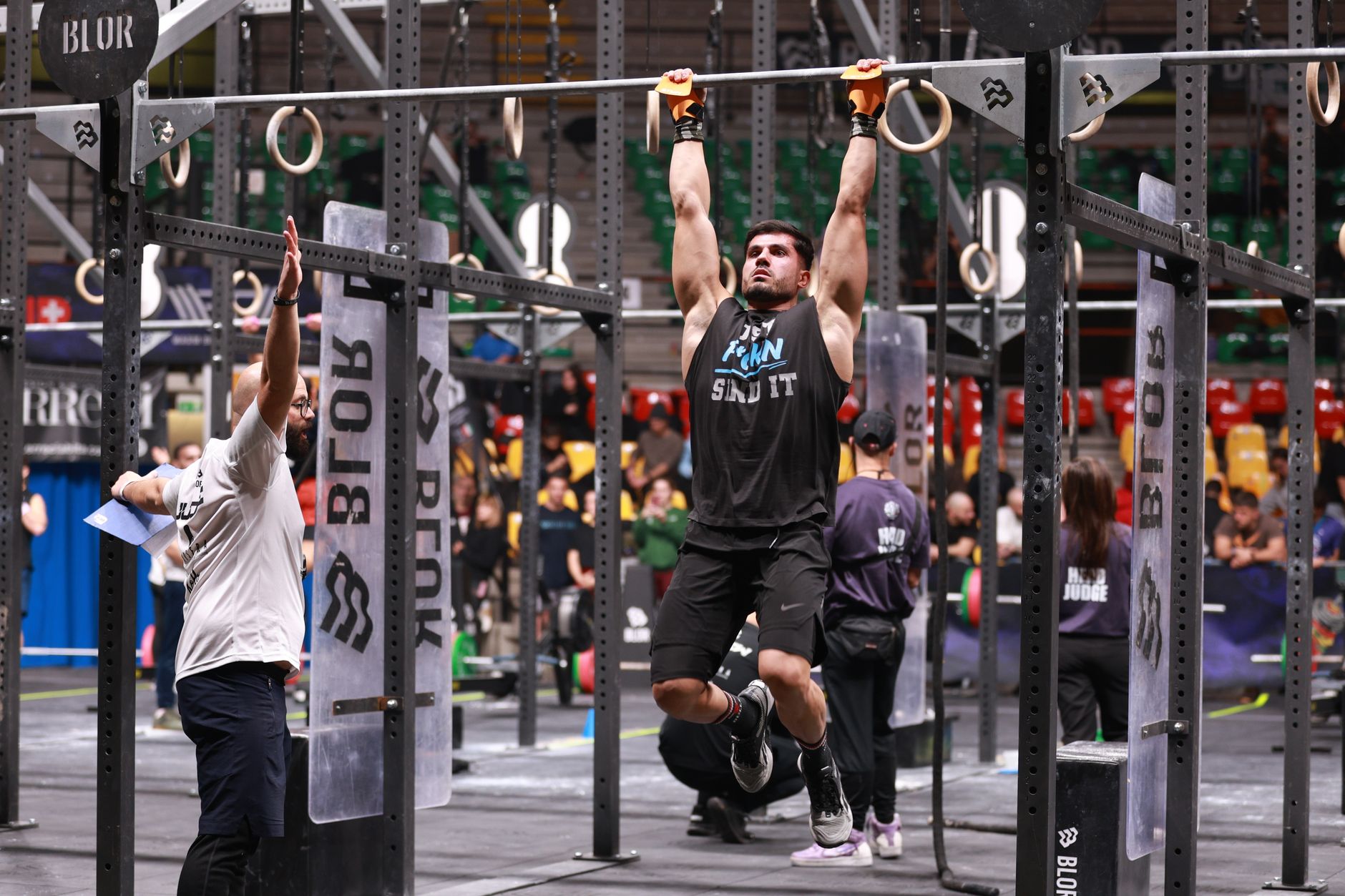
Understanding the misconceptions surrounding strength standards is crucial for your fitness journey.
Myth: Only Men Can Achieve Advanced Strength Standards
While some standards are relative to body weight and gender, women can certainly achieve impressive strength levels through dedicated training.
Myth: Strength Levels Define Your Athleticism
Strength standards don't encapsulate all aspects of fitness; skill, endurance, and flexibility are also critical components of athletic performance.
Frequently Asked Questions
What is a realistic strength standard for beginners?
Beginners should focus on lifting around 0.8 times their body weight for bench presses and 1 to 1.5 times for squats.
How can I determine what weight I should start with for lifting?
Begin with a weight that allows you to perform 8-12 repetitions without compromising your form. Gradually increase as you become stronger.
Why do strength standards vary among individuals?
Factors like body weight, age, gender, and training experience significantly influence strength standards, making them personalized metrics.
How often should I reassess my strength?
It’s advisable to reassess your strength metrics every 6-8 weeks to track your progress and adjust your training program accordingly.
Conclusion
Strength standards are not just numbers; they are a guide that helps you define your fitness journey. By understanding how to assess your strength and setting realistic goals, you can continuously improve your performance. If you're looking for support in achieving your lifting benchmarks, reach out to ElitePTS for personal training that will help you unlock your full potential.