



Introduction to Self-Talk in Sports
In the world of athletics, the mind is just as vital as the body. Self-talk, the internal dialogue that shapes our thoughts and actions, plays a crucial role in influencing an athlete's performance. Athletes often encounter stress, anxiety, and pressure, and how they respond to these challenges can significantly impact their outcomes on the field or court. This article will delve into the science of self-talk, its impact on performance, and actionable strategies to harness its power for improved athletic results.
The Science Behind Self-Talk

Understanding Internal Dialogue
Self-talk refers to the conversations we have with ourselves, which can be positive or negative. Research indicates that these internal dialogues can influence an athlete's mood, confidence, and motivation. For instance, a study published in The Journal of Sport and Exercise Psychology found that athletes who engaged in positive self-talk exhibited lower levels of anxiety and higher self-confidence.
The Role of Self-Feedback
Self-talk serves as a form of self-feedback, enabling athletes to evaluate their performances during practice and competition. This real-time assessment can guide modifications in technique or strategy. Furthermore, engaging in constructive self-talk can enhance athlete resilience, helping them bounce back from setbacks more effectively.
The Impact of Positive Self-Talk

Boosting Confidence
Positive self-talk is about consciously choosing affirmations that uplift and motivate. Studies show that athletes who practice positive self-talk not only perform better but also manage stress more effectively. For instance, the phrase "I am strong and capable" can reinforce a sense of self-efficacy leading to improved performance.
Enhancing Focus and Concentration
Athletic performance requires intense focus. Positive self-talk can direct attention to the task and reduce distractions. A common tactic among elite athletes is to repeat keywords or phrases related to their sport (e.g., "focus," "breathe," or "perform"). This technique can help in maintaining concentration during critical moments.
Types of Self-Talk in Athletic Performance
Instructional Self-Talk
Instructional self-talk includes specific cues or directions that help improve technique. For example, a runner may tell themselves to "keep a steady pace" or a basketball player might remind themselves to "follow through on shots." This type of self-talk encourages precision and focus.
Motivational Self-Talk
This form of self-talk is often more general and aimed at boosting morale. Phrases such as "I can do this" or "I've prepared for this" serve to inspire athletes during tough moments. Motivation can be pivotal in endurance sports where mental fatigue plays a significant role.
Strategies to Implement Positive Self-Talk
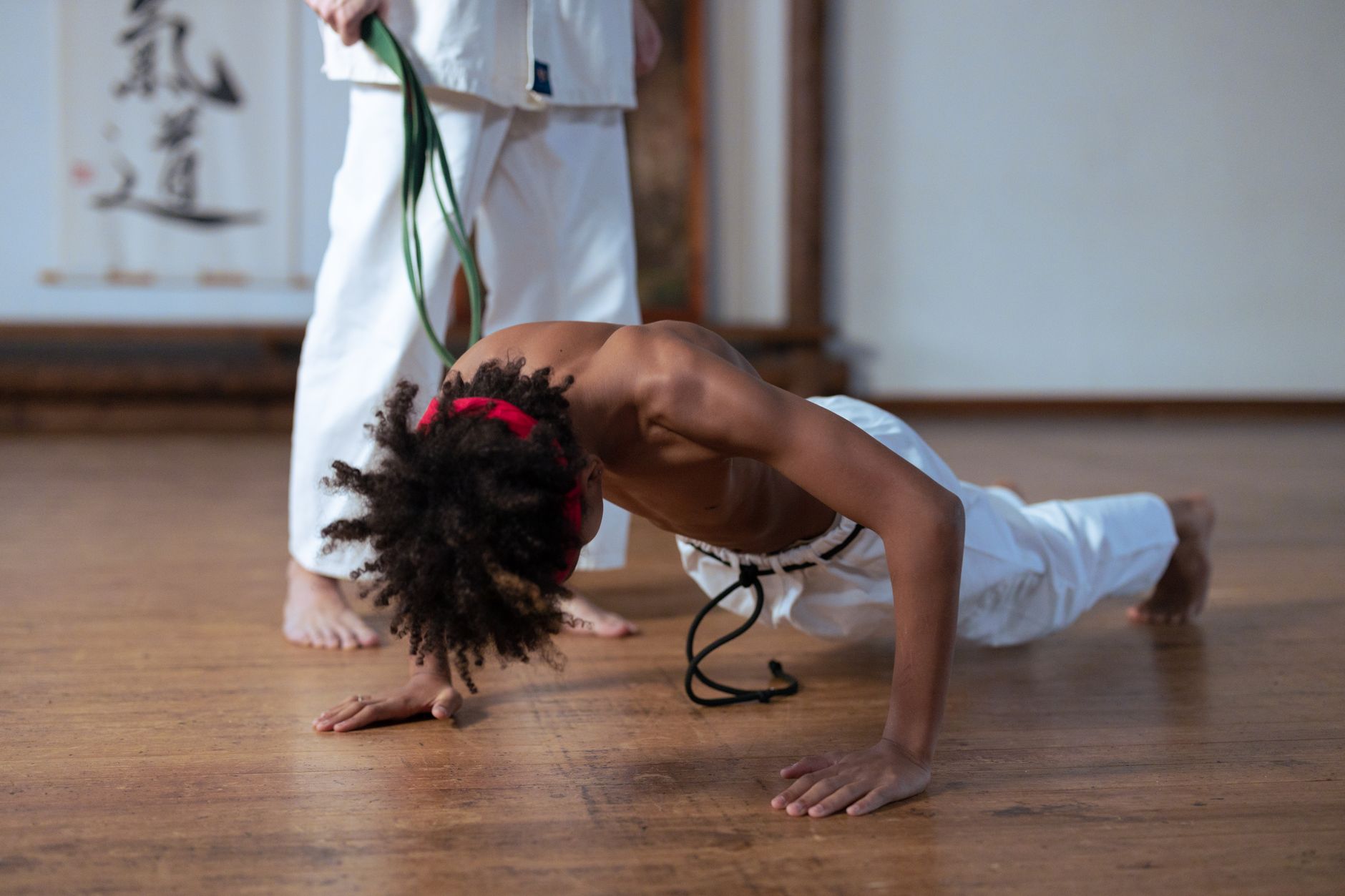
Create Personalized Mantras
One effective technique for athletes is to develop personalized mantras that resonate on a personal level. For instance, if an athlete struggles with confidence, they might create a mantra that reinforces their strengths, like "I am resilient" or "I can push through discomfort." These reinforcing statements can be repeated during training and competition for added benefit.
Practice Visualization with Self-Talk
Visualization combined with self-talk can be extraordinarily effective. Athletes can picture themselves succeeding while simultaneously verbalizing encouraging phrases. For example, they can visualize making a perfect shot while saying, "I am skilled and prepared." This method consolidates the mental representation of success and reinforces positive beliefs.
Overcoming Negative Self-Talk
Identifying Negative Patterns
A critical step in enhancing performance is recognizing negative self-talk patterns. Athletes often internalize doubts or fears that can sabotage their performance. Keeping a journal can help identify and challenge these thoughts. For example, if an athlete writes down, "I always mess up under pressure," they can refute it with evidence of past successes.
Reframing Negative Thoughts
Once identified, it’s essential to change these negative thoughts into positive ones. This practice is known as cognitive restructuring. For example, transforming "I can’t handle the pressure" into "I thrive under pressure" helps recalibrate the athlete's mindset towards success.
The Psychological Benefits of Self-Talk
Stress Management
Effective self-talk can act as a coping mechanism for managing performance anxiety. These positive dialogues help reduce cortisol levels—the hormone associated with stress—thereby enhancing overall performance. A study published in Psychology of Sport and Exercise demonstrated that athletes who practiced positive self-talk before competitions reported lower stress levels.
Building Mental Toughness
Regular practice of constructive self-talk fosters mental toughness. This resilience is critical in competitive sports, allowing athletes to stay focused and maintain composure in high-pressure scenarios. Developing mental toughness through self-talk creates a foundation for sustained success.
FAQ About Self-Talk in Sports
1. How can I start using positive self-talk in my training?
Begin by identifying specific areas of improvement and create simple, positive affirmations tailored to those goals. Repeatedly use these phrases during your training sessions.
2. Can self-talk improve performance in team sports?
Absolutely! Positive self-talk can enhance communication and collaboration among teammates, fostering better coordination and synergy during games.
3. How often should I practice self-talk?
Incorporate self-talk as a regular part of your routine, both in practice and competition. Consistency is key to making it a habit that can yield significant performance benefits.
4. What if I struggle with negative self-talk?
Begin by recognizing negative thoughts, then challenge them. Substituting those thoughts with positive equivalents can gradually reshape your perspective.
Conclusion: Integrate Self-Talk into Your Training
Self-talk is a powerful tool that can significantly influence athletic performance. By cultivating an awareness of one’s internal dialogue and focusing on positive reinforcement, athletes can enhance their mental resilience, confidence, and focus. At ElitePTS, we encourage athletes to integrate these self-talk strategies into their training regimen. Together, we can unlock your full athletic potential!