



Understanding Training to Failure
Training to failure has become a popular concept in the fitness community. But what does it truly mean? In essence, training to failure involves performing an exercise until you can no longer complete a rep with good form. This method is often associated with high-intensity workouts and is believed to maximize muscle growth and strength.
While it might sound effective, understanding the science behind this training philosophy is crucial for making informed decisions in your workout regimens.
What is Muscle Failure?
Muscle failure lifting occurs when the muscle reaches a point where it can no longer generate the needed force to continue the exercise. This can be due to muscle fatigue from prolonged exertion, leading your body to signal that it needs a rest.
The Science Behind Training to Failure
Various studies highlight the importance of mechanical tension and metabolic stress in muscle building. Muscle growth largely relies on both these factors, and training to failure stimulates higher levels of both.
The key to progress is not just intensity, but how you recover from that intensity.
Advantages of Training to Failure

Maximizing Muscle Fiber Recruitment
One of the most significant advantages of training to failure is the activation of a greater number of muscle fibers. As you reach failure, your body recruits more motor units to continue the lift, thus enhancing overall strength development.
- Increased hormonal response
- Potential for hypertrophy
- Improved strength endurance
Psychological Benefits
Pushing your limits can also lead to mental toughness. Understanding how your body performs under stress helps build confidence, which can be beneficial in various aspects of conditioning. However, it’s essential to strike a balance to avoid psychological burnout.
Disadvantages of Training to Failure

Risk of Injury
One of the most cited downsides of training to failure is the increased risk of injury. Lifting heavy weights to the point of failure can lead to form breakdown, which significantly raises the chance of injuries such as strains or sprains.
Recovery Time
Pushing to muscle failure requires more recovery time. It’s essential to listen to your body and take into account how taxing these sessions can be. Overdoing it can lead to overtraining syndromes, impacting your long-term fitness journey.
Practical Tips for Training to Failure
Set Clear Goals
Before diving into failure sets, establish what you want to accomplish. Are you aiming for strength, hypertrophy, or endurance? Setting specific goals will help dictate your approach to failure training.
Integrate Sparingly
Instead of incorporating training to failure in every workout, consider using it selectively. Implement it in only one or two exercises per workout. This allows still substantial volume while providing intensity.
Monitor Your Form
Never sacrifice form for intensity. As close as you might be to muscle failure, ensure proper techniques are maintained. Poor form leads to injuries, defeating the purpose of your training endeavors.
When to Use Training to Failure
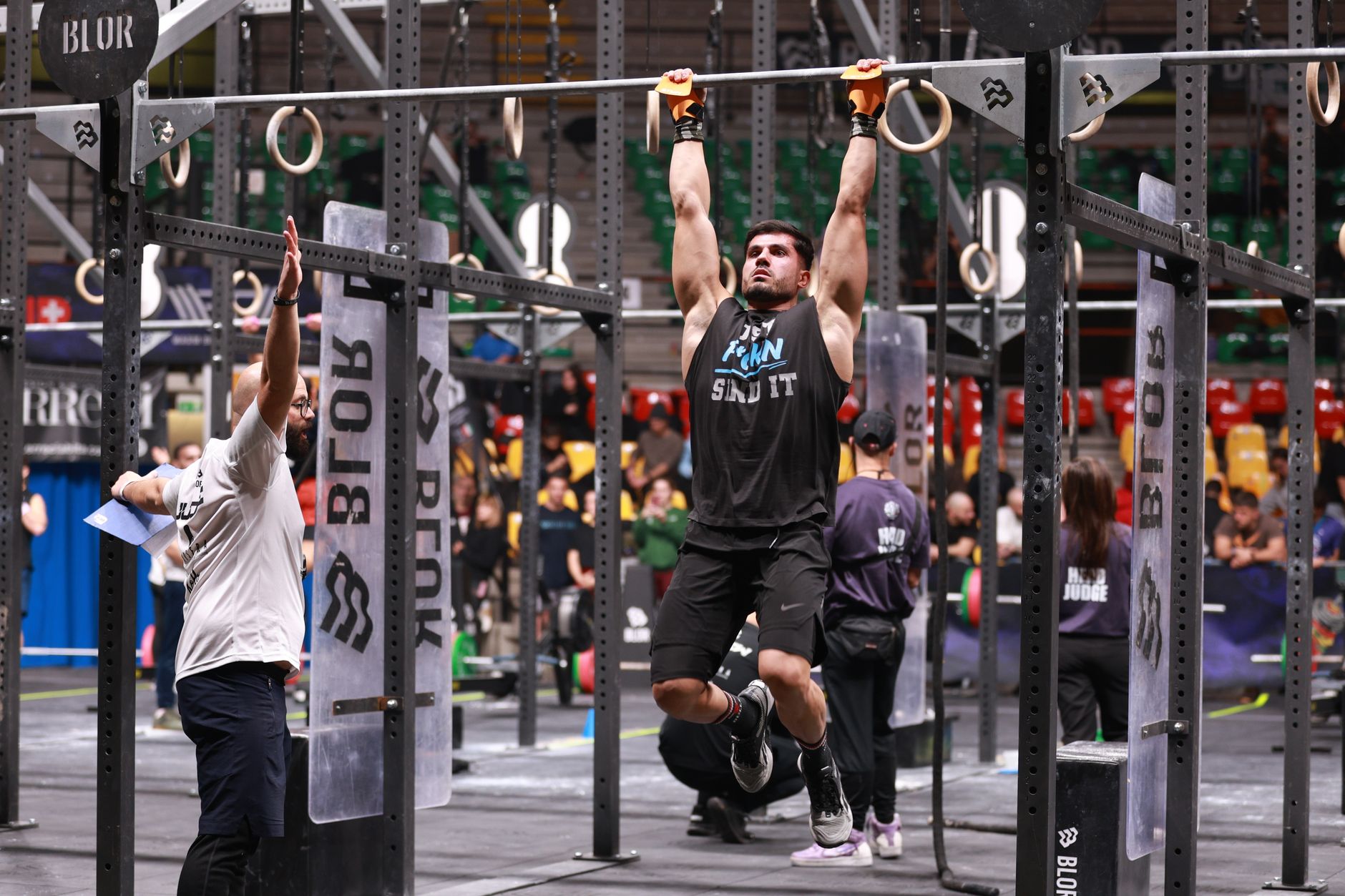
End of a Workout Session
To minimize injury risks, consider using training to failure at the end of your workout session. After completing your primary lifts, finishing with failure sets can enhance fatigue and provide a solid pump without compromising form early in your session.
Specific Training Phases
Incorporating training to failure might be beneficial during specific phases of your training cycle, such as when you're looking to break through a plateau. However, it should always be coupled with adequate recovery plans.
Alternative Approaches to Intensity
Progressive Overload
One effective way to increase intensity without reaching failure is through progressive overload. Gradually increasing the weights or the number of reps while maintaining good form allows you to improve strength and muscle mass without the extreme risks associated with training to failure.
Using RPE and RIR Methods
Using Rate of Perceived Exertion (RPE) and Reps in Reserve (RIR) methods can help gauge intensity without the need to reach absolute failure. These methods encourage listening to your body and recognizing when to stop before form breaks down.
Common Myths Surrounding Training to Failure
Myth 1: You Must Train to Failure to Grow Muscle
Many believe that if you aren’t training to failure, you aren’t maximizing your muscle potential. While reaching failure can increase muscle recruitment, it's not the only way to stimulate muscle growth.
Myth 2: More Weight Always Equals More Growth
Pound-for-pound lifting isn’t the only factor in growth. Properly executed workouts with varied intensities can produce gains without the risks associated with heavier weights and training to failure.
FAQs
Is training to failure necessary for muscle gains?
No, while training to failure can stimulate growth, it isn't required. There are various ways, such as progressive overload, to achieve muscle gains.
How often should I incorporate failure sets into my routine?
Incorporate failure sets sparingly, such as once or twice a week, to allow adequate recovery and avoid injury risks.
What is the safest way to train to failure?
The safest method involves maintaining good form, using proper spotting techniques, and focusing on isolation exercises.
Can beginners use training to failure methods?
It's advisable for beginners to avoid training to failure until they have a solid understanding of form and technique. Initiating with that base will pave the way for safer training.
Conclusion
Training to failure can be an effective tool in your fitness arsenal when used correctly and judiciously. By understanding how to implement it safely and efficiently, you can maximize your training intensity and achieve your goals. At ElitePTS, we emphasize tailored programs that build your strength sustainably. Ready to elevate your fitness journey? Get started with ElitePTS today!