


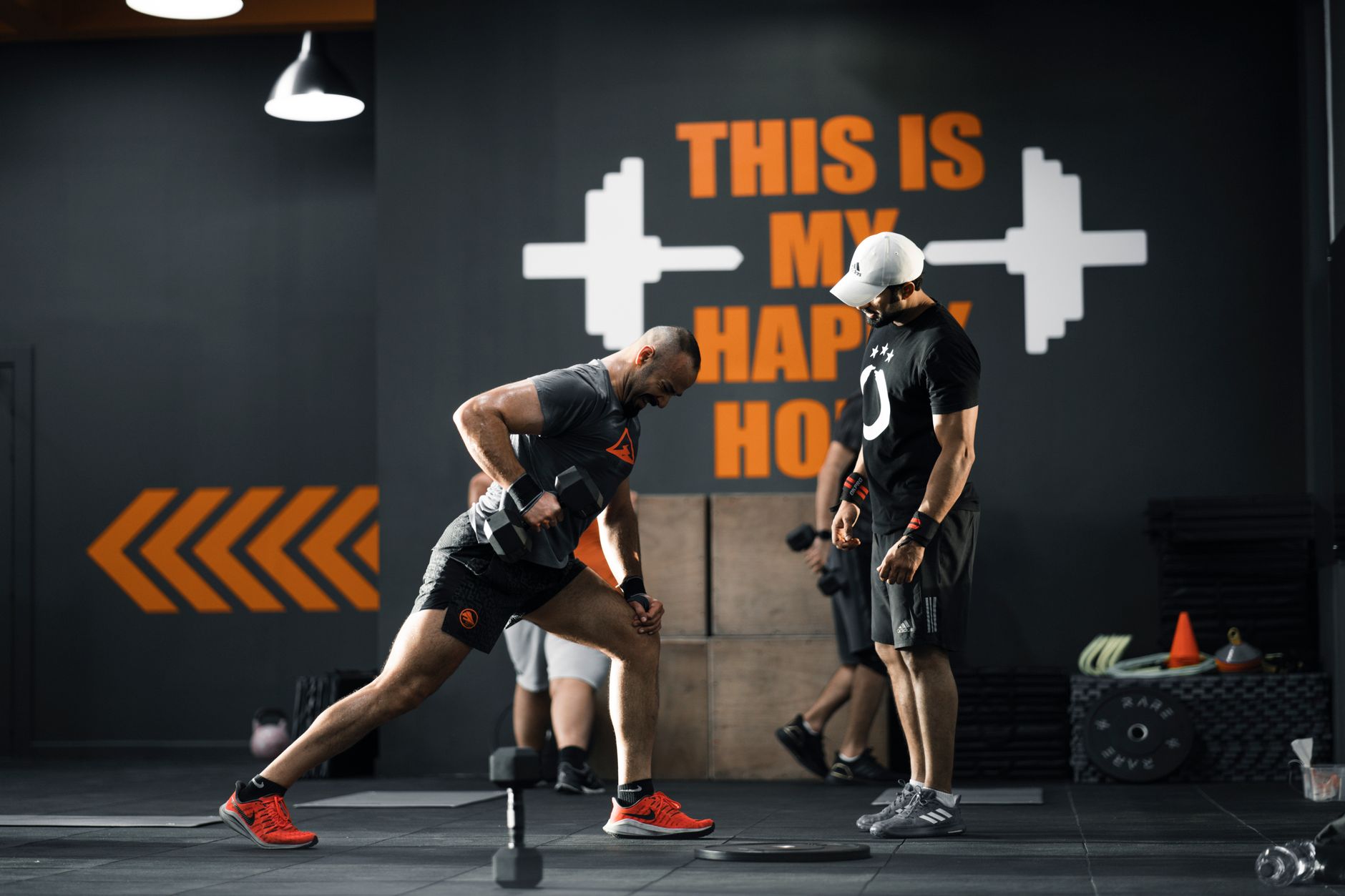
The Fitness Events Trainer's Guide to Hosting Live Events
A great fitness events trainer does more than fill a room and run a sweaty session. The best live events create authority, deepen trust, and move attendees one clear step closer to coaching, referrals, or continuing education.
If you want to run a live fitness workshop, premium community event, or small-group seminar that actually builds your business, you need more than energy. You need a repeatable system for outcomes, logistics, safety, teaching design, and post-event conversion.
For personal trainers, in-person events sit at the intersection of coaching and business development. A well-run workshop can showcase expertise, turn cold followers into warm leads, give current clients a memorable experience, and position you as the local pro who can teach, not just train. In markets like Edmonton, where community trust, referrals, and local reputation matter, a smart event strategy can become a durable growth channel instead of a one-off marketing stunt. This is why every aspiring fitness events trainer should think like a coach, educator, and operator at the same time. In this guide, you'll learn how to choose the right format, structure a curriculum people remember, manage risk, market the offer, and turn a PT live event into long-term client value. The goal is simple: host a session that feels professional, delivers results, and creates a measurable business return.
How a Fitness Events Trainer Defines Success First
Choose one measurable outcome
Do not start with, "Should this be a bootcamp, seminar, or open house?" Start with the business outcome. Do you want 20 new leads, 10 assessments booked, better client retention, or more authority with local trainers? One primary objective keeps programming, pricing, staffing, and promotion aligned from the start.
For example, a mobility workshop for current clients should be built for adherence and referrals, not maximal ticket revenue. A coach education event for trainers should emphasize frameworks, case studies, and application. Different goals demand different room layouts, handouts, call-to-actions, and follow-up sequences, so define the win before you build the session.
Match the event to a precise audience
Your best event is usually narrow, not broad: postpartum clients, golfers over 40, youth athletes, desk workers with shoulder pain, or new trainers who need cueing systems. Specificity improves marketing resonance, increases perceived relevance, and reduces programming conflicts inside the session.
If your calendar goal is lead generation, study the same audience segmentation principles you use in personal training lead generation. A coach who says, "shoulder-friendly pressing for desk workers," will usually outperform one who says, "full-body fitness workshop," because the promise is easier to understand, share, and buy into.
Build a Live Fitness Workshop Agenda People Remember

Teach less content, create more application
Most trainers overpack. Adults do not need more slides; they need fewer concepts, better context, and live reps. Choose three key lessons, then give attendees a chance to practice coaching cues, movement regressions, or program decisions immediately after each lesson so the content sticks.
In a 90-minute event, a strong pattern is 10 minutes teach, 10 minutes demo, 15 minutes partner practice, 5 minutes debrief, then repeat. That format respects attention span, raises perceived value, and makes the room feel interactive rather than lecture-heavy. It also gives you multiple moments to assess comprehension before confusion compounds.
Use coaching science to improve retention
Motor learning and adult education both reward feedback, repetition, and clear constraints. When attendees perform a skill, receive a correction, and repeat it under slightly better conditions, retention is far stronger than passive listening alone. This matters whether you are teaching a squat pattern, sales conversation, or warm-up sequence.
Research in adult learning consistently shows that active practice, immediate feedback, and reflection improve retention. In a live fitness workshop, design the room so people can do, coach, and discuss every major concept instead of only hearing it.
That is why your agenda should include checkpoints: a teach-back moment, a pair drill, and one written action item. If you want stronger educational delivery year-round, the coaching systems and mentorship resources at Peak by ElitePTS can help you sharpen curriculum design beyond a single event.
How to Host Fitness Seminar Logistics Like a Pro
Build the room backward from the training experience
The venue should serve the session, not your ego. A seminar for 15 trainers may work best in a private studio with whiteboards and open floor space; a consumer event may need parking, registration flow, washrooms, music control, strong lighting, and room for movement stations without traffic jams.
Before you confirm the space, test the full attendee path: arrival, check-in, bag storage, coaching zones, hydration, emergency access, washroom flow, and exit. In Edmonton winters, weather, coat storage, parking, and wet footwear can affect safety and first impressions more than programming does, so plan for real conditions.
Manage safety, waivers, and operational risk
If movement is involved, your baseline standard should include readiness questions, informed consent, waivers, CPR/AED access, and a clear emergency plan. ACSM's preparticipation screening model is useful because it focuses on symptoms, known disease, current activity, and planned intensity instead of broad, outdated exclusion rules.
A simple event ops sheet should cover:
- Attendance cap based on floor space and coach-to-participant ratio
- Equipment list with backups for bands, mics, timers, and extension cords
- Staff roles for check-in, photos, floor coaching, and sales conversations
- Incident plan including first aid, AED location, and emergency contact process
Rule of thumb: If attendees are moving fast, under fatigue, or learning a new skill, reduce complexity before you add intensity. Safety is part of coaching quality, not a separate department.
Fill Seats Without Sounding Desperate
Lead with the transformation, not the timetable
Your landing page and captions should answer three questions fast: who is this for, what will they leave with, and why should they trust you? "Learn to coach deadlifts with five regressions" is stronger than "Join us Saturday at 1 PM" because it promises a specific professional outcome.
Keep the offer simple: one headline promise, three takeaways, one credibility marker, one limit on seats, and one next step. If pricing is part of your growth plan, pair event tickets with the same value logic you use in personal training pricing so the fee reflects access, expertise, and outcome rather than just minutes delivered.
Promote in phases and build social proof early
Use a three-phase campaign: announce, educate, then convert. In week one, reveal the event. In week two, post clips, FAQs, and mini wins. In week three, create urgency with seat counts, testimonials, and a deadline bonus such as a movement screen, workbook, or recovery guide.
Real-world example: a 24-seat trainer seminar can sell half its spots from direct invites to past leads, current clients, and local allied professionals before public posting begins. That is why strong follow-up habits and consult skills matter; the same principles discussed in consultation and closing conversations apply when you convert event interest into revenue.
Running a PT Live Event That Feels Premium
Coach the room, not just the loudest person
A polished PT live event has rhythm. Set expectations at the start, explain how questions will work, and use names whenever possible. Your job is to manage energy, clarity, and inclusion so beginners feel safe while advanced attendees still feel challenged and respected.
Use a layered cueing model: brief demo, one primary focus, one regression, one progression. That keeps movement stations efficient and reduces the common mistake of over-explaining. If one attendee dominates discussion, redirect with, "Great point. Let's test that with partners for two minutes," so the room stays active and collaborative.
Design the conversion moment before the final five minutes
Bad event sales feel abrupt because the offer appears only at the end. Better event sales are woven into the experience: a case study that references ongoing coaching, a worksheet that identifies next steps, or a Q and A that naturally reveals where personalized support matters most.
For client-facing events, the best close is often a clear continuation path: assessment, starter package, or small-group onboarding. To strengthen authority between live appearances, publish recap content and teaching insights that reinforce your brand, much like the long-game approach behind client retention and the business development resources available at Peak's coaching platform.
FAQ: Common Questions When You Host Fitness Seminar Events
How long should a first event be?
For a first-time host, 60 to 90 minutes is the sweet spot. It is long enough to teach one real framework and create interaction, but short enough to control fatigue, timing, and setup costs without overwhelming the room.
If you are teaching coaches, 2 to 3 hours can work when the topic is technical and the room includes practical drills. Start shorter, collect feedback, and expand only when your agenda flow is reliable from check-in to close.
Should I charge or make the event free?
Charge when the event delivers a defined educational or coaching outcome. Even a modest ticket price increases commitment, improves show-up rate, and positions the session as a professional experience rather than casual entertainment or a generic gym promo.
Free events can work for lead generation, but only when the follow-up system is strong. If you host a free seminar, capture goals, injury history, and next-step interest during registration so the room does not become anonymous and hard to convert.
How many attendees per coach is ideal?
That depends on movement complexity. For hands-on technique work, 8 to 12 participants per coach is a strong ceiling. For lecture-led sessions with occasional demos, you can manage a larger room if audio, sightlines, and floor control are solid.
Whenever fatigue, velocity, or unfamiliar equipment increases, lower the ratio. A safer event almost always feels more premium because attendees receive more feedback, less waiting, and fewer mixed messages from the coaching team.
What metrics should I track after the event?
At minimum, measure registrations, show-up rate, revenue, cost per attendee, leads booked, and clients converted within 30 days. For education events, also track satisfaction, top takeaways, and whether attendees would refer a peer or attend again.
The most useful metric is not applause; it is behavior. Did people book assessments, buy the next offer, return for the next workshop, or refer a friend? That tells you whether you truly learned how to host fitness seminar experiences that drive business results.
The difference between a forgettable class and a high-value live event is structure. A strong fitness events trainer starts with one business outcome, builds a tight agenda, protects safety, markets with specificity, and turns the room experience into an obvious next step. Whether you are planning your first live fitness workshop for clients or a more advanced PT live event for coaches, the same rule applies: make the session practical, professional, and easy to act on.
If you want to host fitness seminar experiences that grow your authority and revenue, keep refining your systems between events, not just during them. For more coaching, sales, and business education built for serious fitness professionals, explore the latest resources on ElitePTS. Use this guide as your playbook, run the first event, measure the result, and make the next room even better.