



The Anatomy of Effective Communication
In the realm of elite fitness coaching, the difference between a good trainer and a transformative one often comes down to the quality of their instruction. Trainer cueing is not merely about telling a client what to do; it is about facilitating a connection between the mind and the muscles. When you master the art of exercise technique correction, you move beyond basic instruction into the sophisticated domain of motor learning. Every rep a client performs is an opportunity to rewrite their neurological maps and optimize their biomechanical efficiency.
As professionals, we must understand that clients arrive with various movement histories, injuries, and cognitive processing styles. A "one-size-fits-all" approach to instruction is a recipe for stagnation. To truly excel, you must integrate a deep understanding of progressive overload principles while simultaneously refining the technical integrity of the movement. By focusing on concise, actionable, and impactful cues, you empower your clients to develop better proprioception, increased force production, and reduced injury risk. This guide is designed to sharpen your coaching toolkit and elevate your practice to a new standard of excellence.
Understanding the Science of Motor Learning
External vs. Internal Cueing
Research in kinesiology has consistently demonstrated that external cues—those that focus on the effect of the movement—are superior to internal cues, which focus on the body part itself. For example, telling a client to "push the floor away" (external) during a squat often yields a more powerful response than telling them to "extend your knees" (internal).
By emphasizing the desired outcome, you allow the body’s natural self-organization tendencies to take over. When the brain focuses on the external environment, it minimizes conscious interference with motor programs, leading to more fluid movement patterns. This is a fundamental pillar of PT coaching cues that every professional must master to facilitate faster skill acquisition.
The Role of Sensory Feedback
Technique correction is fundamentally about managing sensory input. As trainers, we provide verbal, visual, and tactile feedback to bridge the gap between the client's current movement and the ideal performance. Whether you are teaching a deadlift or a overhead press, the goal is to provide just enough information to initiate change without overwhelming the client's cognitive load.
Effective coaches often use tactile feedback alongside verbal cues to ground the client in their physical sensation. If you need support implementing these high-level techniques, our team at ElitePTS professional services can help you refine your coaching delivery.
Categorizing Movement Patterns for Success
The Push-Pull-Hinge-Squat Framework
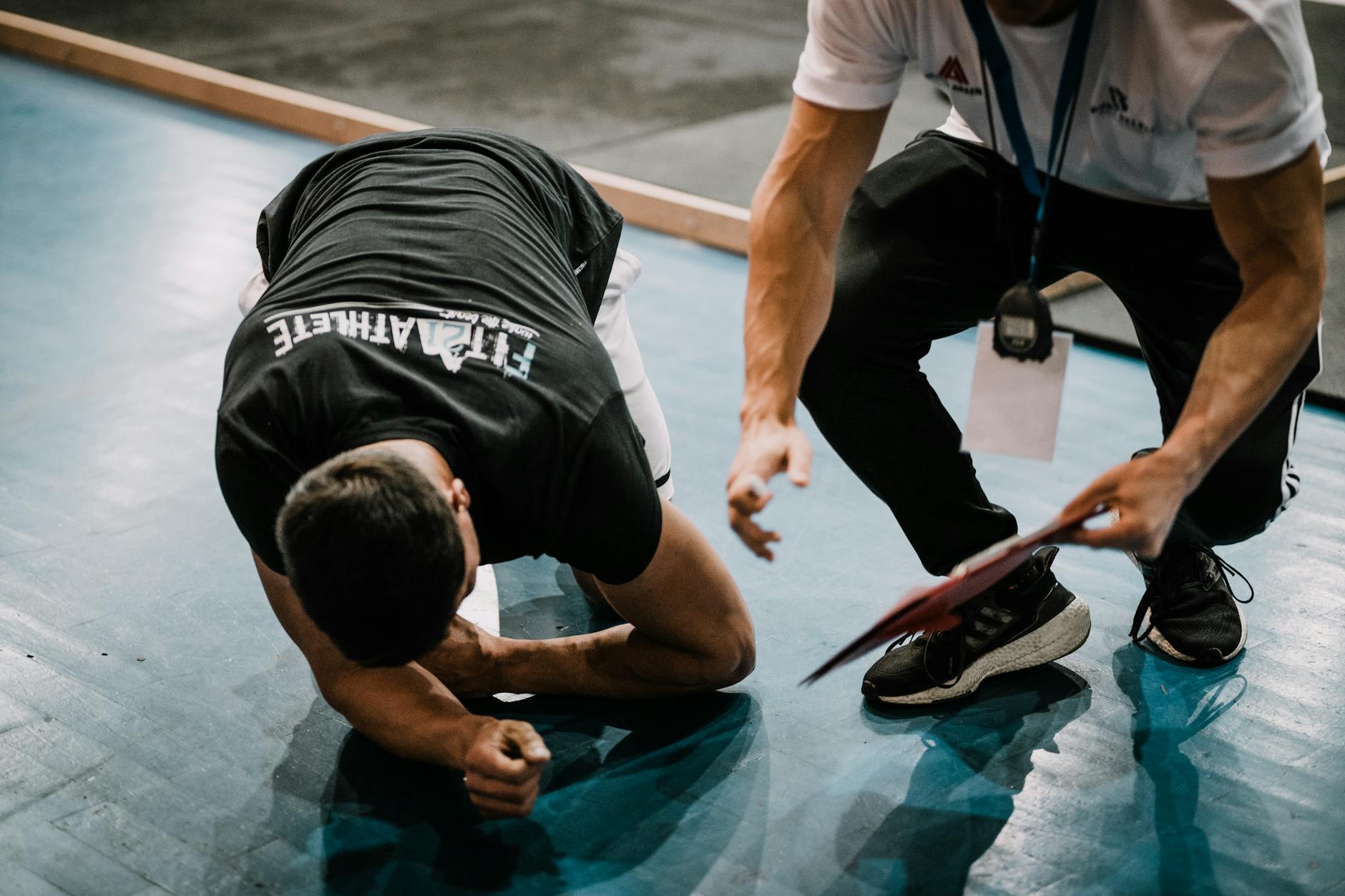
Categorizing movements into fundamental patterns allows you to create a universal language for cueing movement patterns. When you view a lift through the lens of a pattern rather than an isolated muscle group, you can troubleshoot more effectively. For instance, if a client struggles with their squat, you aren't just correcting legs; you are addressing a complex coordination task.
Mastering these archetypes allows for systematic progression. You can effectively apply sleep optimization and recovery strategies because you understand exactly which movement systems are being taxed during each session.
Troubleshooting Common Technique Flaws
Every trainer encounters "sticking points" in their clients' progress. When a movement breaks down, it is usually a matter of stability, mobility, or motor control. Instead of piling on multiple verbal corrections, try to identify the "bottleneck" that is causing the breakdown. Focus on one cue at a time to avoid paralysis by analysis.
If you find that your clients are hitting plateaus despite perfect form, it may be time to audit their nutrition via a protein intake guide. Visit ElitePTS personal training to see how we integrate holistic lifestyle coaching with technical instruction.
The Psychology of Coaching Communication
Reducing Cognitive Load
One of the biggest mistakes novice trainers make is talking too much during a set. When a client is under load, their capacity for processing complex instructions is severely diminished. Your cues should be short, punchy, and delivered at the exact moment they are needed, rather than a paragraph of instructions before the lift begins.
Think of yourself as a editor, not a lecturer. Every word you say should directly contribute to the quality of the movement. If a client is struggling with bracing, a simple "breathe into your belly" is far more effective than an explanation of intra-abdominal pressure.
Building Client Autonomy
The ultimate goal of effective exercise technique correction is to make the coach redundant. You want your clients to develop an internal feedback loop where they can self-correct during their solo training sessions. Encourage your clients to reflect on how a movement felt after every set. This builds cognitive engagement and deepens their understanding of their own body.
By fostering this independence, you ensure that your clients remain consistent even when you aren't in the room. This consistency is just as important as the actual training, much like how active recovery is vital for long-term health and performance.
Advanced Cueing Strategies for Expert Trainers
Tactile and Visual Cues
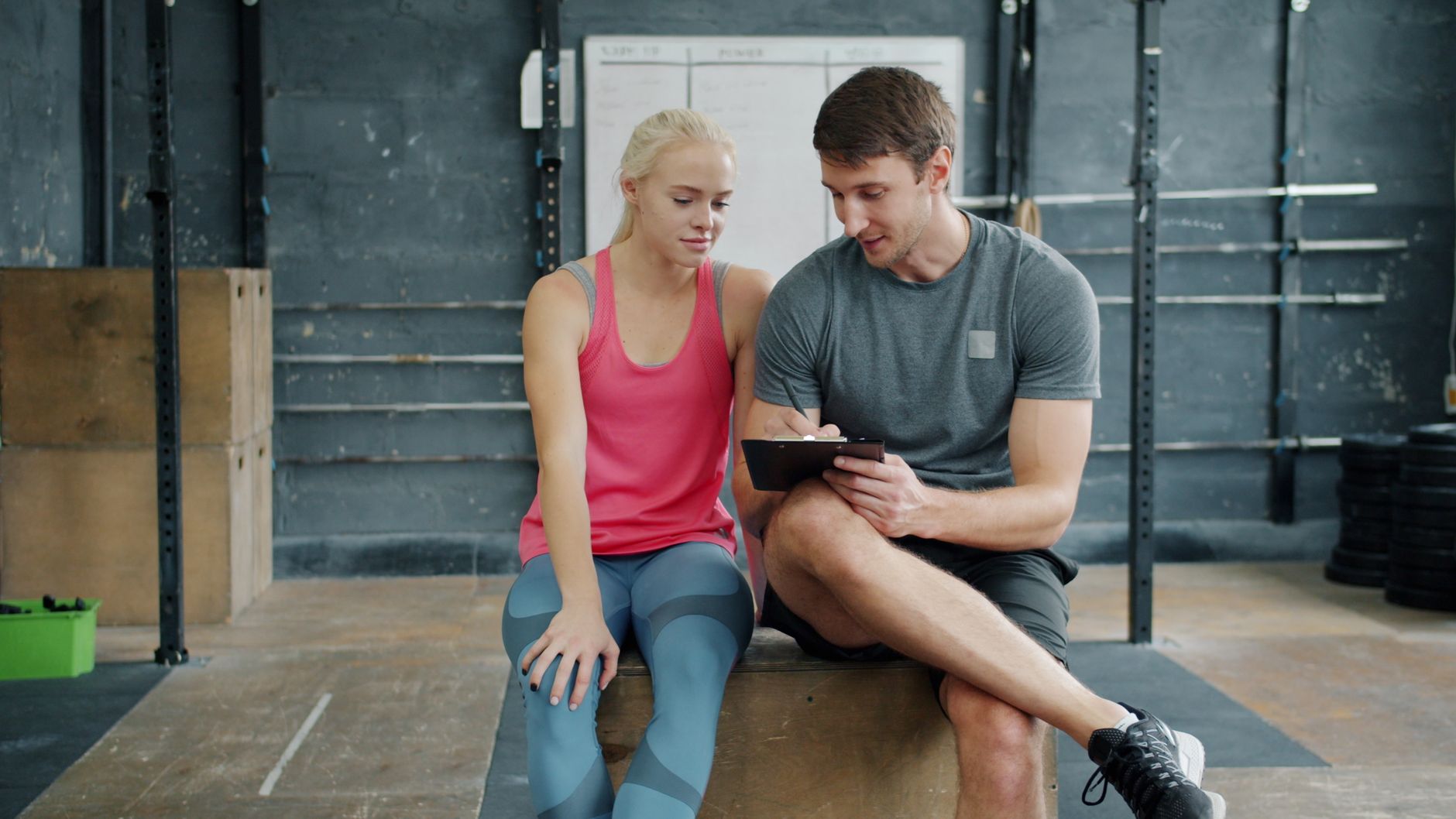
When verbal cues fall short, physical touch (where appropriate) and visual demonstration are your next lines of defense. A light touch on the lumbar spine can instantly cue a client to keep their back flat during a hinge. Similarly, demonstrating the movement perfectly from a profile angle provides a visual template that the brain can mimic.
Combine these techniques for a multi-sensory learning experience. Always ask for permission before using tactile cues, ensuring that you maintain a professional and respectful environment at all times.
The Power of Analogies
Analogies are powerful tools for translating complex biomechanical movements into simple concepts. Saying "crush a walnut between your shoulder blades" during a row provides a much clearer mental image than explaining scapular retraction. These metaphors stick with the client, helping them visualize the desired execution even during intense effort.
Use these creative cues to bridge the gap in your clients' understanding. If you need help refining your communication style, contact the team at ElitePTS today for mentorship opportunities.
FAQ: Frequently Asked Questions
How do I know when to stop correcting a client's form?
Correction is necessary when the movement deviates enough to compromise safety or significantly hinder progress. If the form is "good enough" for the intended stimulus, focus on intensity and effort. Don't chase perfection at the expense of progress.
Should I use internal or external cues for beginners?
Beginners often benefit from internal cues to help them feel the specific muscle working, but they should transition to external cues as soon as possible to develop functional movement patterns that translate to real-world strength.
How do I handle a client who is frustrated by constant correction?
Empathy is key. Explain the "why" behind your corrections. Let them know you are focusing on long-term longevity and results. Sometimes, giving them a "win" by focusing on their strengths before correcting their weaknesses can improve the dynamic.
Conclusion
Refining your skills in trainer cueing and exercise technique correction is a lifelong journey. As your clients rely on you to guide them through the complexities of physical transformation, your ability to communicate clearly and effectively becomes your most valuable asset. Remember that coaching is as much about human connection and psychology as it is about biomechanics and physiology.
By integrating these evidence-based strategies—focusing on external cues, reducing cognitive load, and using analogies—you will not only see improvements in your clients' lifting numbers but also in their overall movement confidence. Commit to continuous learning, practice your delivery, and watch how it elevates your professional status within the industry. Ready to take your coaching career to the next level? Reach out to our expert team at https://elitepts.com/contact for professional guidance and support.