

Understanding the Over-50 Client
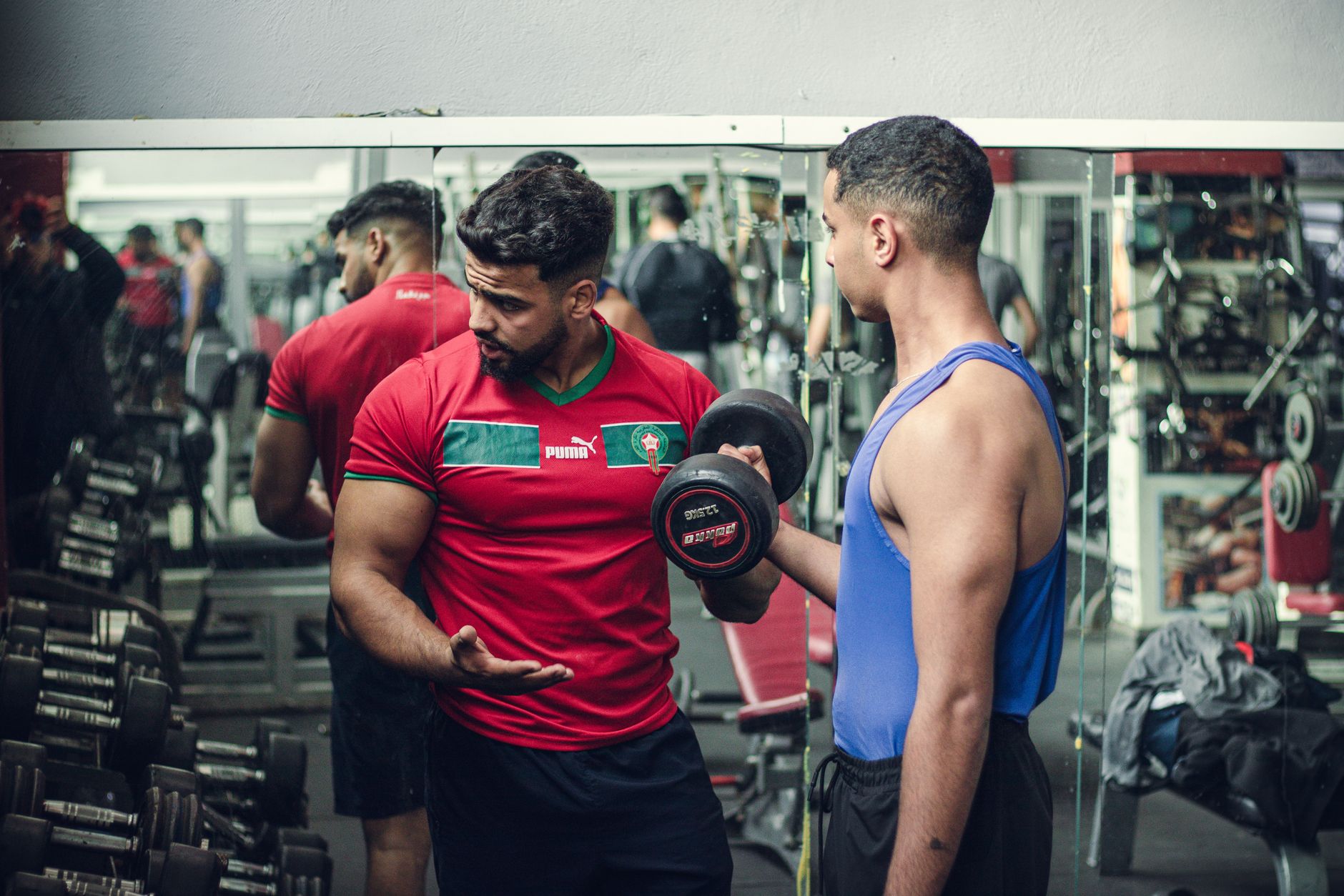
As the population ages, more adults over the age of 50 are seeking ways to improve their health and fitness. Training clients in this age group presents unique challenges and opportunities for personal trainers. With the right approach, trainers can foster not only physical improvements but also enhance quality of life for these individuals.
Defining Unique Needs in Older Adults

Understanding the unique needs of older adults is crucial for creating an effective training program. Clients over 50 often face specific physical and psychological challenges that can impact their fitness journey.
Physical Changes
With age, several physical changes occur, including:
- Decreased Muscle Mass: Sarcopenia, the loss of muscle mass, affects strength and mobility.
- Bone Density Loss: This increases the risk of fractures and necessitates careful exercise selection.
- Joint Stiffness: Arthritis and decreased synovial fluid can make movement painful.
Recognizing these challenges allows trainers to tailor workouts that enhance mobility and strength without risking injury.
Psychological Factors
Older adults may also deal with:
- Anxiety About Fitness: Many may have concerns about their ability to perform certain exercises.
- Motivation Issues: Changes in routine or past injuries may affect their motivation to engage in fitness.
- Perceived Barriers: They might feel intimidated by younger gym-goers or uncertain about how to use equipment.
Addressing these emotional and psychological factors is vital for creating a supportive environment.
Designing Effective Exercise Programs
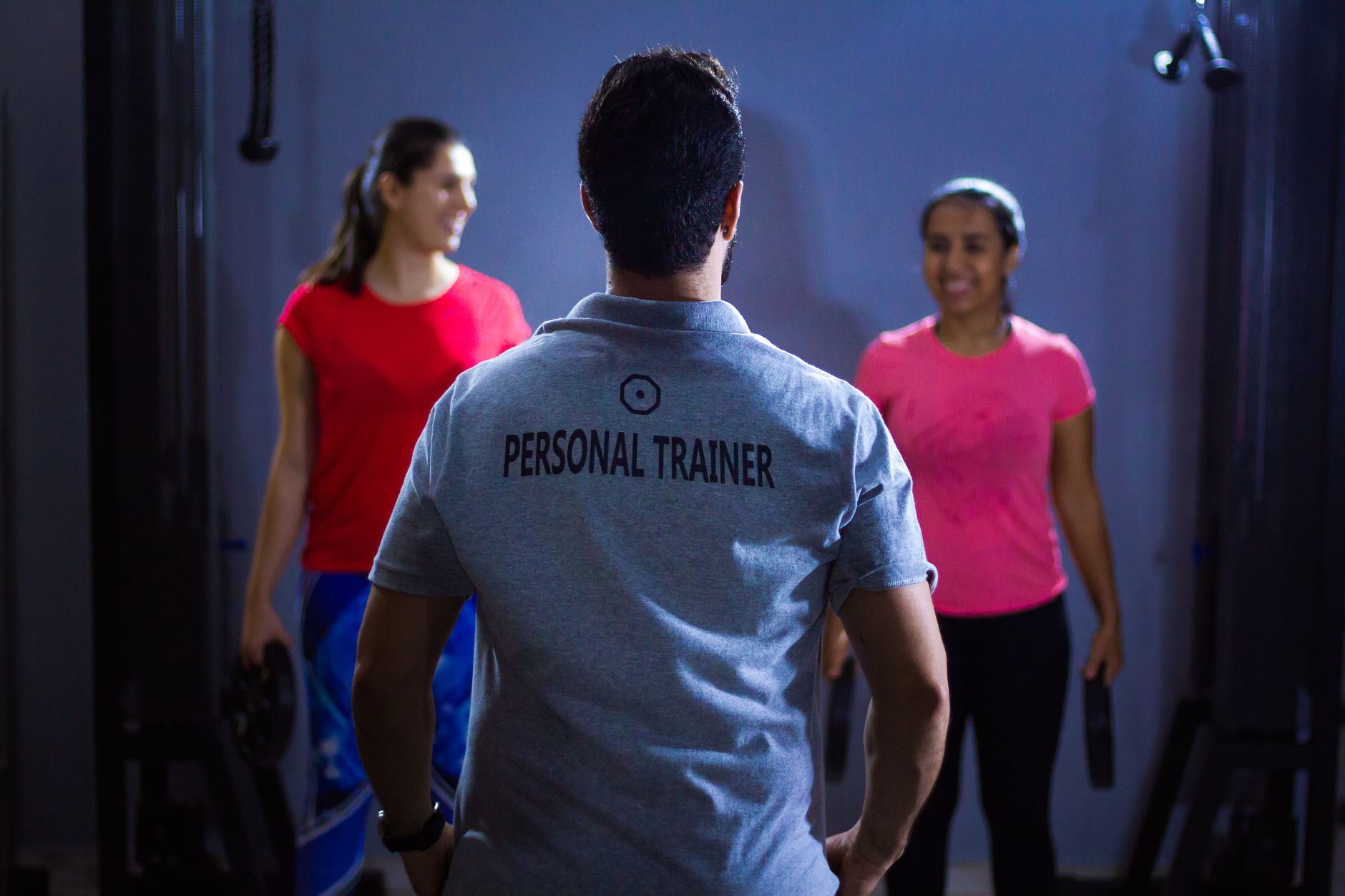
Creating tailored exercise programs is essential for meeting the physical and psychological needs of older clients. Various components should be incorporated into these programs to ensure optimal benefits.
Strength Training
Strength training is one of the most beneficial forms of exercise for older adults as it:
- Builds Muscle Mass: Helps counteract sarcopenia.
- Improves Bone Density: Resistance training can significantly enhance bone strength.
- Enhances Functional Capacity: Increases the ability to perform daily activities independently.
Integrating exercises such as bodyweight squats, deadlifts, and circuit training can yield excellent results. A gradual increase in resistance and volume is crucial; therefore, applying progressive overload techniques can be beneficial.
Cardiovascular Conditioning
Incorporating aerobic activity improves cardiovascular health and aids in weight management. Effective cardiovascular exercises include:
- Walking or Jogging: Low-impact and easily adjustable.
- Cycling: Stationary or outdoor cycling is excellent for joint health.
- Swimming: This provides a full-body workout with minimal joint strain.
For optimal cardiovascular benefits, clients should aim for at least 150 minutes of moderate-intensity aerobic activity each week, as recommended by the CDC.
Flexibility and Balance Training
Flexibility and balance training are critical components that help prevent falls and injuries in older adults.
Importance of Flexibility
Improving overall flexibility aids in:
- Range of Motion: Enhanced joint mobility reduces stiffness.
- Injury Prevention: Increased flexibility can minimize strain during activities.
- Posture Improvement: Corrects muscular imbalances that can arise with age.
Incorporating static stretching and dynamic warm-ups into training sessions is essential. Activities like yoga or Pilates can also be beneficial in enhancing flexibility.
Enhancing Balance
Balance-training exercises play a significant role in fall prevention and functional capability. Recommended practices include:
- Single-Leg Stands: Enhances proprioception and stability.
- Heel-to-Toe Walk: Challenges balance mechanics.
- Tai Chi: This low-impact activity encourages balance and coordination.
Adding these exercises into a workout routine can significantly improve clients’ confidence in their abilities.
Nourishing the Older Client

The nutritional needs of clients over 50 are crucial to their fitness success. Proper nutrition supports exercise efforts and promotes recovery.
Protein Intake
Older adults often require higher protein intake to maintain muscle mass. Recommendations suggest:
- Daily Intake: Approximately 1.2 to 2.0 grams per kilogram of body weight.
- Protein Sources: Include lean meats, dairy, legumes, and plant-based options.
Regular protein intake throughout the day can support muscle repair and growth, complementing resistance training.
Hydration and Micronutrients
Proper hydration is vital for older adults as the sense of thirst diminishes with age. Encourage clients to regularly consume:
- Water: Aim for at least 8 glasses a day, more if engaging in intense workouts.
- Essential Micronutrients: Vitamins D and B12, calcium, and potassium are crucial for overall health.
Educating clients about their dietary needs is a key component of effective training.
Common Misconceptions about Senior Fitness
Several misconceptions often deter older clients from engaging in fitness programs. Addressing these misconceptions can empower and motivate them.
Myth 1: Older Adults Should Avoid Strength Training
Contrary to this myth, strength training is essential for the prevention of muscle loss and for enhancing mobility. It can lead to improved strength and quality of life. Educating clients on safe practices and benefits is crucial.
Myth 2: Exercise is Dangerous for Seniors
While there are risks associated with physical activity, these are significantly outweighed by the benefits. With appropriate guidance, exercise can be a safe and rewarding part of an older adult’s life.
Creating a Supportive Environment
Creating a welcoming and encouraging atmosphere in training sessions can significantly enhance adherence to fitness programs for older clients.
Encouragement and Communication
Encouragement is key when working with over-50 clients. Establishing open lines of communication can help clients feel more confident and less intimidated. Strategies include:
- Setting Realistic Goals: Help clients set achievable milestones to foster motivation.
- Frequent Check-ins: Regularly assess their progress and address any concerns.
Positive reinforcement helps build rapport and trust between trainer and client.
Incorporating Community
Encouraging social interaction can also enhance motivation among older clients. Participating in group classes or engaging with others can provide a support system:
- Group Sessions: Engages clients and builds camaraderie.
- Online Communities: Foster motivations through virtual connections.
Creating a sense of belonging will help ensure lasting commitment to fitness.
FAQ Section
What are the best exercises for clients over 50?
Effective exercises include strength training, balance activities, and flexibility exercises, all essential for overall fitness.
How can I motivate my older clients?
Encouragement, setting achievable goals, and creating a supportive environment will greatly enhance motivation.
What common health concerns should I be aware of?
Common issues include arthritis, osteoporosis, and cardiovascular disease; understanding these is vital for safe programming.
How often should older adults work out?
Adults should aim for around 150 minutes of moderate-intensity activity weekly, including strength training at least twice a week.
Conclusion
Training clients over 50 presents unique opportunities for personal trainers to make a real impact on their clients' lives. By understanding their specific needs and offering appropriate support, trainers can unlock the potential of this vibrant age group. To learn how to further enhance your skills in personal training, contact us at ElitePTS.