



Introduction: The Revolution of Video Analysis in Fitness Training
In the ever-evolving world of fitness, maintaining optimal form during exercise is crucial for success and injury prevention. At ElitePTS, we’ve embraced the advanced technology of video analysis fitness to enhance our training methodologies. This innovative approach empowers personal trainers to assess their clients’ movements in real time, helping to refine techniques, boost performance, and ensure safe execution of exercises.
This article explores how Elite trainers utilize video analysis to improve client form, providing actionable insights and practical tips for fitness enthusiasts and athletes alike.
The Science Behind Video Analysis in Training

Understanding the physiological and biomechanical principles behind movement is essential for effective training. Let’s delve into the science:
Biomechanics and Proper Form
- Stability: Proper form ensures joint alignment and stability, reducing the risk of injury.
- Efficiency: Optimal movement patterns allow for better energy transfer and performance.
- Muscle Activation: Correct form enhances muscle activation for better strength development.
How Video Analysis Enhances Coaching
Incorporating form video analysis into training allows for detailed assessments of clients’ movements. Trainers can identify flaws that might not be visible in real time and provide immediate feedback for correction.
The Process of Video Analysis: Step-by-Step
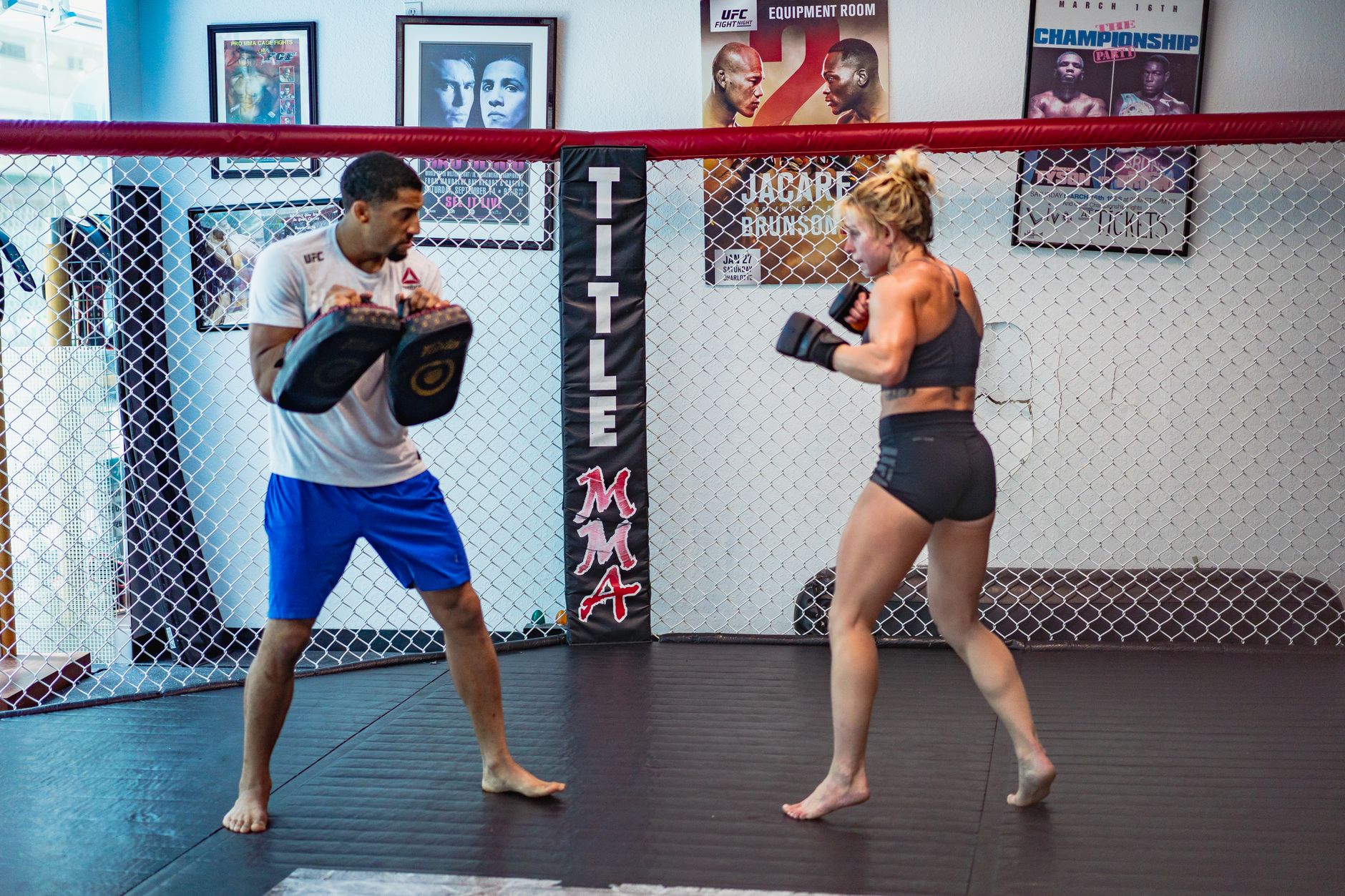
Elite trainers follow a streamlined process to implement video analysis effectively:
1. Initial Assessment
Before beginning video analysis, an initial assessment is performed to understand the client’s fitness level, goals, and any existing limitations.
2. Recording Sessions
During workouts, trainers capture videos using various angles to ensure comprehensive evaluation. High-speed cameras are often utilized for detailed analysis.
3. Review and Feedback
After reviewing the footage, trainers provide constructive feedback to the clients, pinpointing areas needing improvement. This could involve highlighting specific joints or movement patterns.
Benefits of PT Video Coaching
PT video coaching offers numerous benefits, including:
- Visual Learning: Clients gain a visual representation of their movements, enhancing understanding.
- Personalized Feedback: Tailored feedback helps clients make necessary adjustments quickly.
- Progress Tracking: Video footage enables tracking improvements over time, motivating clients to stay committed.
Common Techniques for Effective Movement Video Assessment

Effective movement video assessment involves several key techniques:
1. Angle Variation
Using multiple angles while recording allows trainers to assess the full range of motion and biomechanical efficiency. Cues can be made for any form adjustments.
2. Slow Motion Playback
Analyzing movements in slow motion reveals critical details about timing, muscle engagement, and potential areas of improvement.
3. Comparative Analysis
Trainers can compare a client's current form to ideal movement patterns, showing progress and areas needing attention.
Actionable Strategies for Utilizing Video Analysis
Fitness enthusiasts can implement video analysis independently or in collaboration with their trainers. Here are some strategies:
1. Recording Workouts
- Utilize your smartphone or a camera to record workouts, focusing on complex movements.
- Ensure good lighting and clear angles to capture your form properly.
2. Self-Assessment
Review recorded videos critically, looking for alignment issues, balance, and movement efficiency. Be your own coach!
3. Sharing with a Trainer
Send your footage to a personal trainer for professional feedback and tailored adjustments to your technique.
FAQs about Video Analysis in Fitness Training
What types of exercises are best for video analysis?
Squats, deadlifts, and Olympic lifts are excellent choices as they involve complex movements where form is critical.
How often should I use video analysis?
Regularly recording your workouts, at least once a month, can help track improvement and form corrections.
Can video analysis help prevent injuries?
Yes, it allows trainers and clients to identify and correct poor movement patterns that may lead to injury over time.
What equipment is needed for video analysis?
A smartphone or camera with video capability and a tripod for stability can suffice. Advanced trainers may use high-speed cameras for detailed assessments.
Conclusion: Elevate Your Training with ElitePTS
Video analysis is more than just a tool; it’s an integral part of modern fitness training, enabling trainers to refine their clients' forms and enhance their overall performance. By utilizing video analysis fitness techniques, you can unlock your full potential, minimize injury risks, and achieve your fitness goals.
At ElitePTS, we pride ourselves on using cutting-edge technology to elevate your training experience. Join us today and see how our personalized coaching can revolutionize your fitness journey!