



Why is a Cool-Down Routine Essential?
The cool-down routine is a vital part of any workout that is often overlooked. After intense exercise, your body goes through several physiological changes. A proper cool-down helps facilitate recovery, prevents injuries, and prepares your body for its next workout. Studies indicate that failing to cool down can lead to dizziness, stiffness, and prolonged muscle soreness.
Transitioning from high to low intensity gradually is key. This is where a well-structured cool down routine plays a significant role. It aids in regulating blood flow, maintaining cardiovascular health, and stabilizing your heart rate after exertion.
Physiological Changes During Post-Workout

Heart Rate Recovery
After a workout, your heart rate needs time to return to its resting state. A proper post workout cool down allows for a gradual decrease in heart rate, reducing cardiovascular stress.
Muscle Recovery
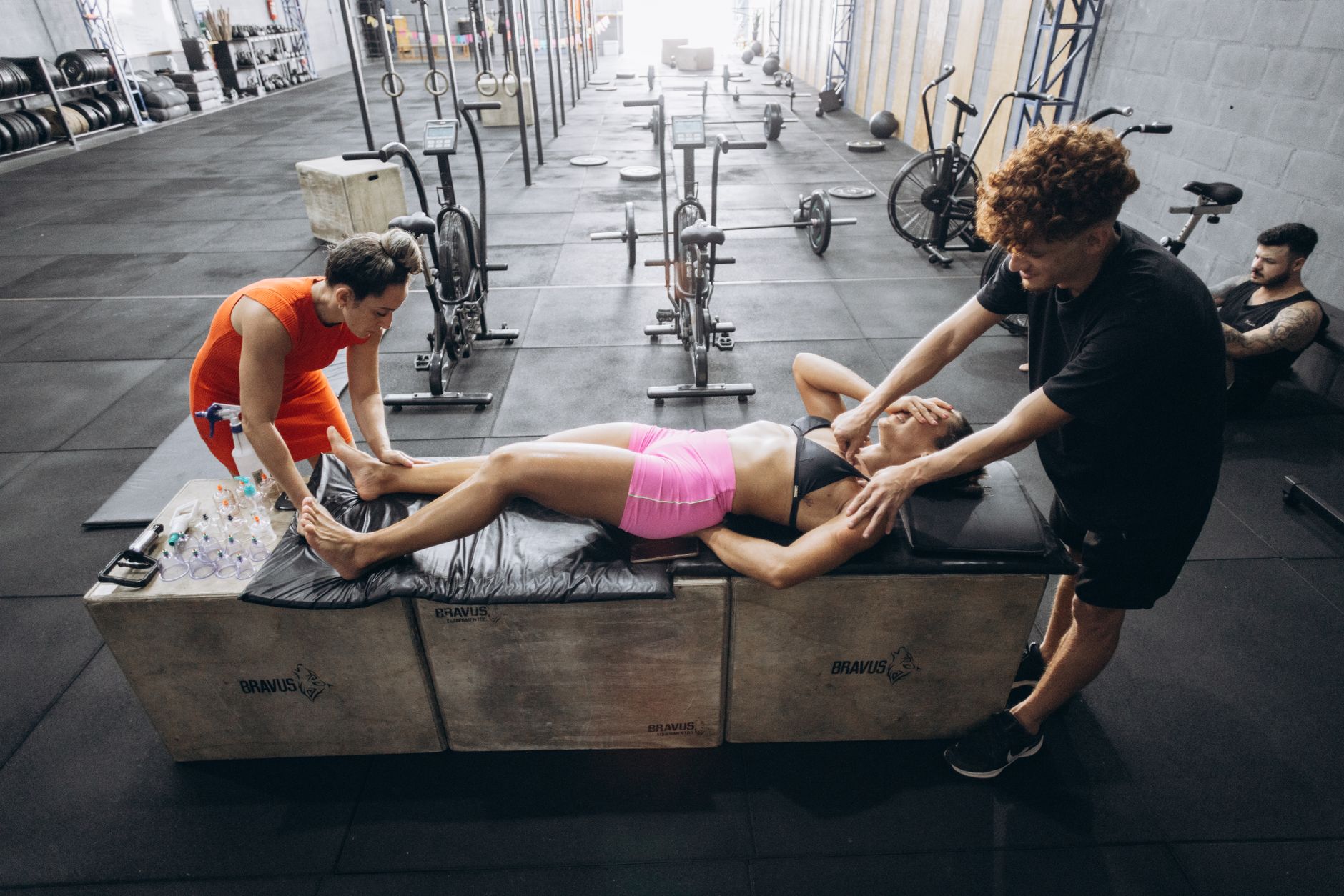
Warm down exercises can help flush out metabolic waste products like lactic acid from your muscles. This not only aids in recovery but also minimizes muscle soreness, allowing for a more effective training cycle.
Joint and Muscle Flexibility
As you transition your body from exercising, it's crucial to emphasize flexibility. Stretching after workout routines can enhance joint health and flexibility, reducing the risk of injury.
Components of an Effective Cool-Down

Gradual Decrease in Intensity
- Begin with gentle movements that mimic your workout but at a reduced intensity.
- Walk or jog lightly for approximately 5-10 minutes.
Targeted Stretching Exercises
- Focus on major muscle groups that were engaged during your workout.
- Hold each stretch for at least 15-30 seconds to maximize effectiveness.
Deep Breathing Techniques
Incorporate deep breathing exercises to help regulate your heart rate and provide additional relaxation.
Warm Down Exercises: Sample Routine
Walking or Light Jogging
Start your cool-down by walking or lightly jogging for 5-10 minutes. This lowers your heart rate and prevents blood pooling in the muscles.
Static Stretching Exercises
Focus on the following stretches:
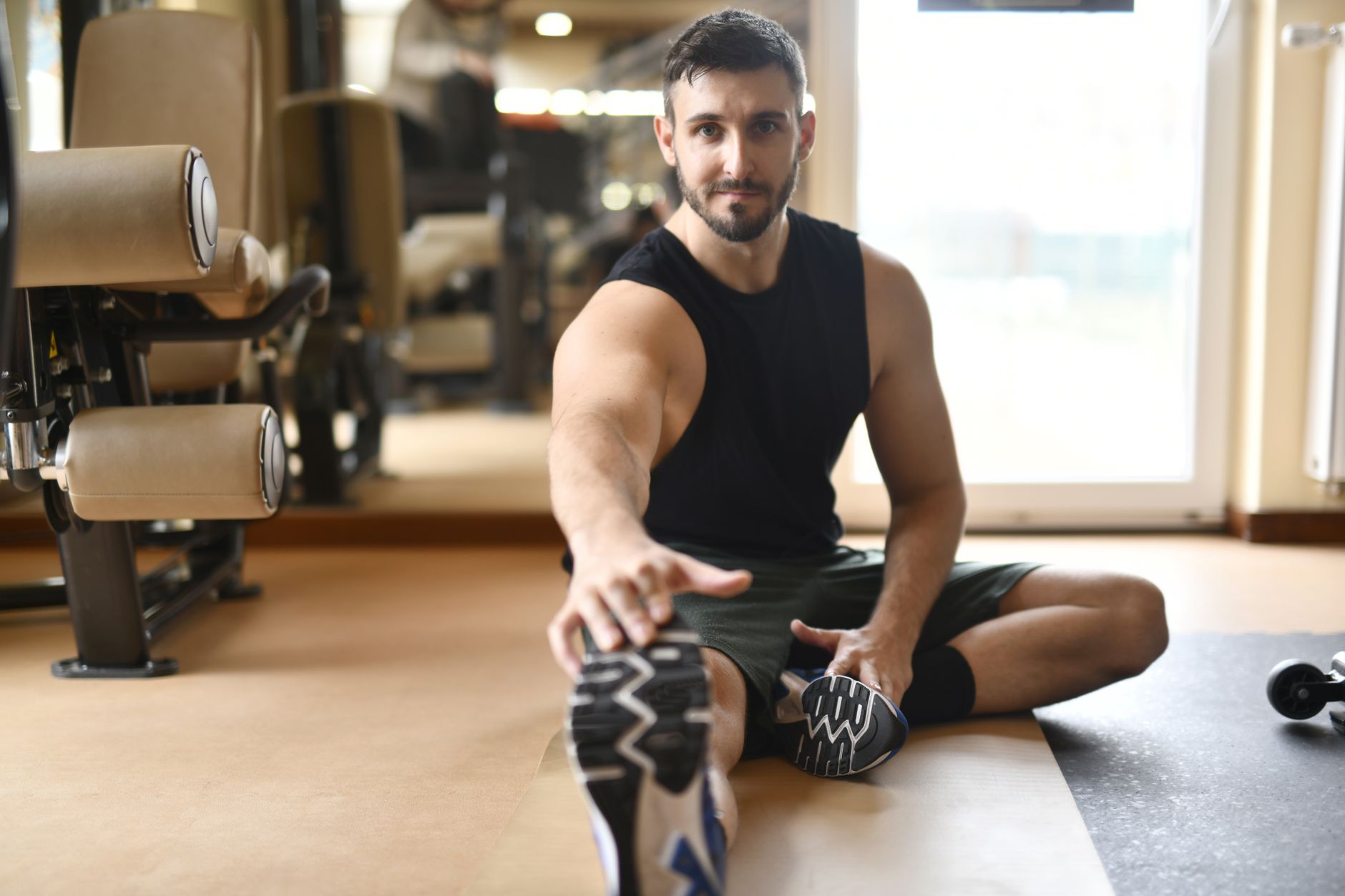
- Hamstring Stretch: Sit and extend one leg while reaching towards your toes.
- Quadriceps Stretch: Stand on one leg, pulling the opposite foot towards your buttocks.
- Shoulder Stretch: Pull one arm across your body while holding the other arm to deepen the stretch.
Foam Rolling
Foam rolling can be highly effective post-exercise. Using a foam roller helps to alleviate muscle tightness and improve blood flow.
The Psychological Benefits of Cooling Down
Preparation for the Next Workout
A systematic cool-down not only enables physical recovery but also sets a mental tone for your future exercises. It creates a transition period that allows you to reflect on the session.
Stress Relief
Engaging in a cooldown provides mental relaxation. Pairing physical movements with breathing exercises can significantly lower cortisol levels, leading to reduced stress.
Common Myths About Cooling Down
Myth: Cooling Down is Optional
Many believe that cooling down is an unnecessary step. However, research indicates its importance in preventing injuries and enhancing recovery.
Myth: Static Stretching is Enough
While stretching is indeed a critical component, decreasing the intensity gradually is vital for reducing injury risks effectively.
Frequently Asked Questions
What is an ideal length for a cool-down routine?
An ideal cool-down lasts 10-15 minutes, focusing on gradually reducing intensity and performing stretching exercises.
Can I skip my cool-down if I’m short on time?
Skipping your cool-down can increase recovery time and the risk of injury. It's advisable to prioritize it even on busy days.
Is there a difference between cooling down and stretching?
Cooling down involves lowering your heart rate and body temperature gradually, while stretching focuses on enhancing flexibility and muscle recovery.
What should I do if I feel dizzy after a workout?
If you experience dizziness, it’s crucial to sit down and hydrate, and engage in deep breathing. Always include a cool-down in your routine to prevent dizziness.
Conclusion
A well-structured cool-down routine is essential for athletes and fitness enthusiasts who wish to optimize recovery and performance. Incorporating simple yet effective warm down exercises, along with proper stretching after a workout, can significantly enhance your recovery process. At ElitePTS, we are committed to helping you achieve your fitness goals, ensuring you incorporate best practices for recovery. Schedule your session today to learn more about personalized training and recovery routines.