



Introduction: The Power of Yoga for Athletes
As an athlete, pushing your limits is part of the game. But what if enhancing your performance could be as simple as adding yoga to your training regimen? Yoga for athletes is not just a popular trend; it's a scientifically backed approach that offers extensive benefits for sports performance, recovery, and overall well-being.
The Science Behind Yoga and Athletic Performance
Understanding the foundational aspects of yoga and its evidence-based benefits is crucial for athletes serious about elevating their game. Studies have shown that practicing yoga can improve flexibility, strength, and mental focus—essential characteristics for any athlete.
Flexibility and Range of Motion
- Increased flexibility can lead to enhanced mobility, allowing athletes to execute techniques more fluidly.
- According to a study published in the Journal of Strength and Conditioning Research, athletes reported a significant increase in flexibility after 8 weeks of yoga practice.
Building Strength
- Yoga involves holding various poses that strengthen different muscle groups. This can significantly benefit sports that require endurance, balance, and power.
- A 2010 study indicated that yoga increases muscle strength without the risk of over-training common in traditional weight lifting.
Mental Focus and Concentration
- The mindfulness aspect of yoga helps athletes develop greater mental clarity, which can translate to improved performance during high-pressure situations.
- Research demonstrates that meditation practices incorporated in yoga can increase cognitive functions, enhancing focus during competitions.
Key Benefits of Incorporating Yoga into Your Training

Embracing yoga benefits for sports can provide athletes with both immediate and long-term advantages. Let's delve into the specific advantages athletes can experience.
Injury Prevention
- Yoga promotes better body awareness, helping athletes recognize signs of fatigue or strain before they lead to injuries.
- The combination of enhanced flexibility and strength assists in maintaining proper body alignment, significantly reducing the risk of injuries.
Improved Recovery
- Yoga enhances blood circulation, facilitating quicker muscle recovery post-exercise.
- Restorative yoga can be especially beneficial for recovery days, reducing muscle soreness and improving overall relaxation.
Enhanced Breathing Techniques
- Practicing breath control (Pranayama) allows athletes to improve their endurance and oxygen consumption.
- Effective breathing can enhance overall performance, allowing athletes to maintain a calm and controlled state during workout sessions.
Essential Yoga Poses for Athletes
Integrating specific yoga poses into your training can yield remarkable performance results. Here are a few essential poses tailored for athletes:
Downward Facing Dog (Adho Mukha Svanasana)
- This pose stretches the hamstrings, calves, and spine while strengthening the shoulders.
- It encourages blood flow to the brain and revitalizes energy levels.
Pigeon Pose (Eka Pada Rajakapotasana)
- The Pigeon Pose targets the hip flexors and glutes, essential areas for most athletic performances.
- This pose opens up the hips and aids in recovery from lower body workouts.
Cobra Pose (Bhujangasana)
- Great for spines and core strength, the Cobra Pose helps improve posture and flexibility.
- This pose can assist in more efficient movement patterns in sports that require upper body strength.
Yoga Practices to Enhance Athletic Performance
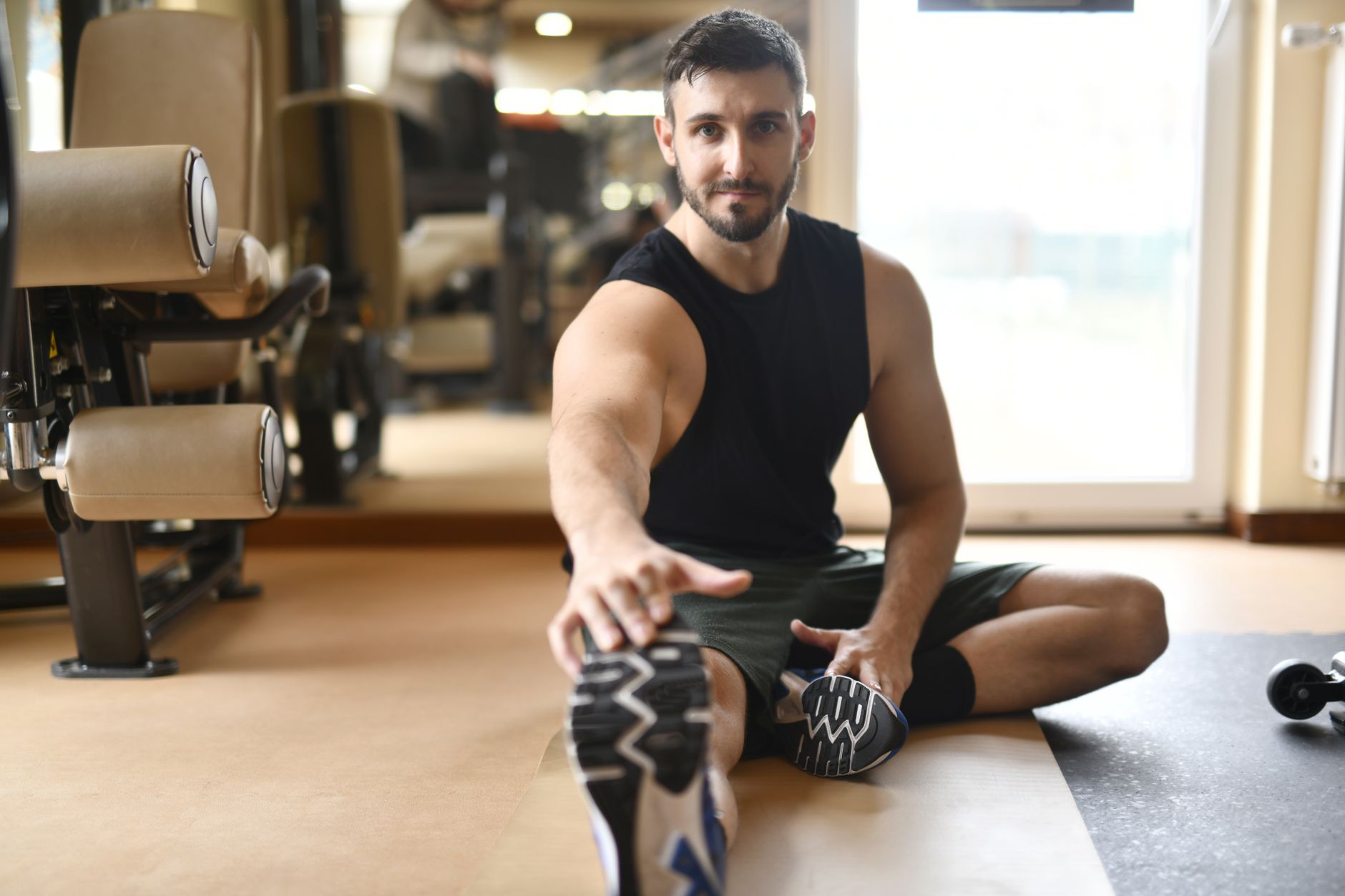
Utilizing comprehensive practices will maximize the benefits of yoga for athletes. Here’s a guide on how to practice effectively:
Establish a Consistent Routine
- Dedicate 2-3 sessions per week to yoga, ensuring you integrate flexibility and recovery sessions into your routine.
Combine Yoga with Strength Training
- Integrating yoga with strength training can lead to improved lifting techniques and reduce the potential for injuries.
Use Yoga for Sport-Specific Training
- Tailor your yoga sessions to complement your sport. For example, runners may focus on hamstring and hip flexibility, while weightlifters might work on core stability.
Yoga for Recovery: Restorative Practices
Recovery is vital for any athlete, and yoga can play a significant role in efficiently managing muscle recovery and alleviating stress.
Gentle Yoga Practices
- Incorporate poses like Child's Pose and Legs-Up-the-Wall into your cooldown routine, fostering relaxation.
Breath-Work and Meditation
- Focus on breath control techniques post-training to enhance relaxation and mind-body connection.
Frequently Asked Questions
Can yoga replace traditional conditioning for athletes?
No, yoga should complement a well-rounded training program rather than replace traditional conditioning. It enhances flexibility, recovery, and mental focus, vital for peak athletic performance.
How often should athletes practice yoga?
Most experts recommend 2-3 sessions of yoga each week for athletes to experience its benefits effectively, while integrating it with other training forms.
Can beginners benefit from yoga?
Absolutely! Yoga is accessible to all fitness levels and offers various modifications to accommodate beginners. Start slow and gradually advance to more challenging poses as you build strength and flexibility.
What types of yoga are best for athletes?
Vinyasa and Hatha yoga are great for athletes, focusing on strength and flexibility. Restorative yoga is also beneficial for recovery.
Conclusion: Step Up Your Game with Yoga
Yoga offers an invaluable resource for athletes seeking to improve performance, recovery, and overall well-being. Integrating yoga for athletes into your regimen can lead to a stronger, more resilient body and sharper mental focus. Experience these benefits at ElitePTS, where we tailor personal training and yoga sessions to meet your athletic goals. Start your journey today!