



Understanding the Postpartum Period
The postpartum period, often referred to as the fourth trimester, is a transformative time for women following childbirth. Physically and emotionally, new mothers experience significant changes, necessitating a well-rounded approach to fitness. Postpartum fitness coaching must be sensitive to these changes while empowering women to reclaim their bodies.
The Importance of Awareness
As a coach, understanding the physiological and psychological shifts women undergo after giving birth is crucial. Changes such as diastasis recti, pelvic floor dysfunction, and hormonal fluctuations can affect their ability to exercise safely and effectively. Awareness of these factors helps in developing tailored fitness programs.
Common Challenges Faced
- Physical Discomfort: Many women experience pain in their back, pelvis, or core.
- Lack of Time: Balancing motherhood and personal life can make regular exercise challenging.
- Emotional Factors: Hormonal changes can lead to feelings of anxiety or depression.
Fitness Assessment for Postpartum Women


A comprehensive fitness assessment is essential before starting any exercise program. This helps identify individual needs and limitations. Consider including a combination of physical evaluations and intuitive questioning about how the client feels both physically and emotionally.
Physical Assessments
Utilizing the following assessments can provide comprehensive insights:
- Functional Movement Screen (FMS): Assess movement patterns to identify limitations and dysfunctions.
- Strength Tests: Evaluate core, pelvic floor, and overall strength.
- Range of Motion Tests: Confirm proper flexibility and movement capabilities.
Consultation Questions
During assessment, include questions such as:
- What delivery method was used?
- Are you experiencing any pain during specific movements?
- How has your mood been since childbirth?
Creating a Safe Postpartum Fitness Plan
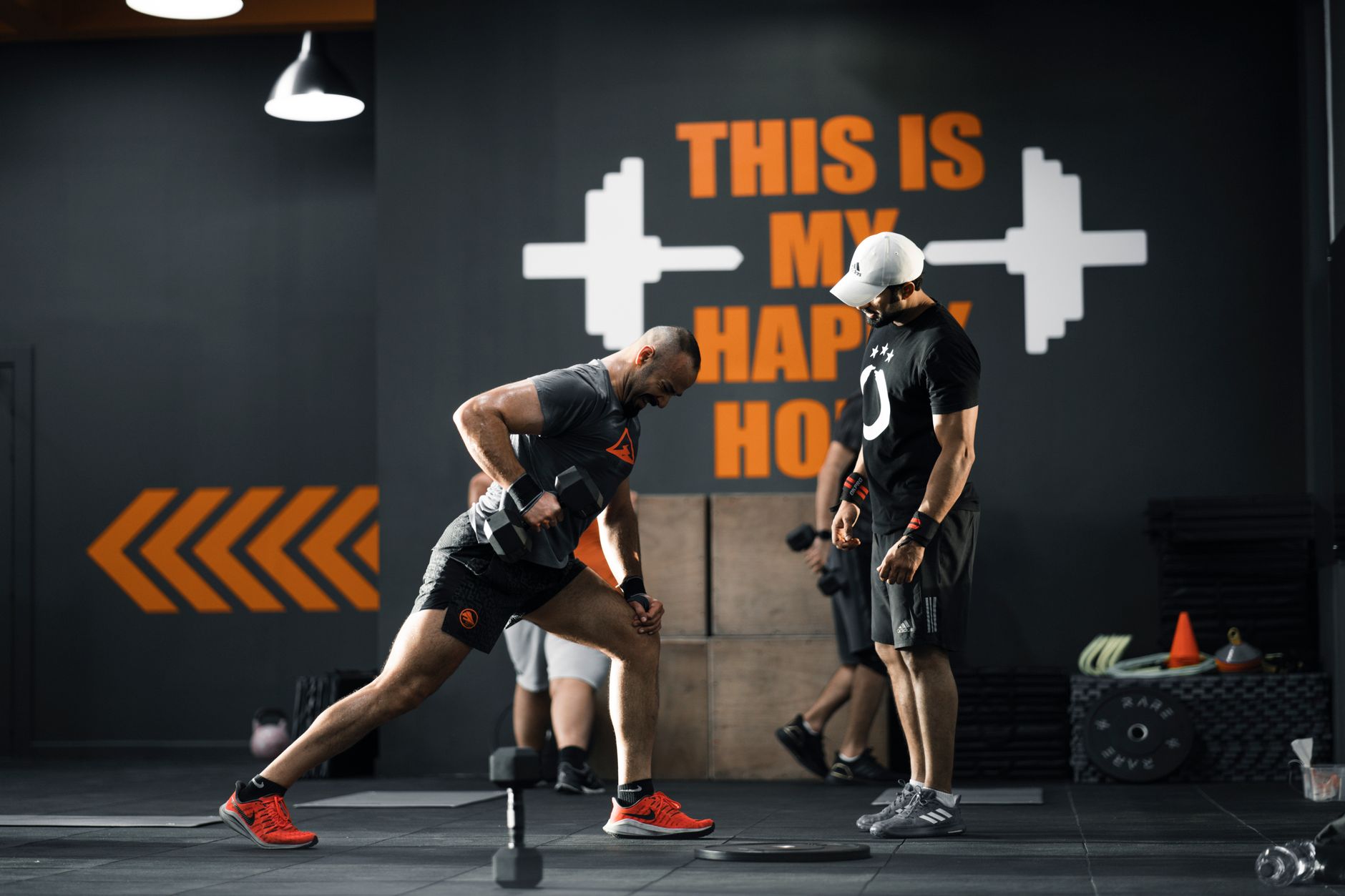
Safety should be the top priority when designing workout plans for postpartum women. Consider incorporating low-intensity workouts that focus on rebuilding strength and mobility before progressing to more rigorous routines.
Core Strength and Stability
After childbirth, focusing on core stabilization exercises is crucial. Introduce gentle exercises that enhance connection with the core and pelvic floor:
- Diaphragmatic Breathing: Teach the importance of breath in activating deep core muscles.
- Pelvic Floor Exercises: Recommend kegel exercises to help strengthen pelvic support.
- Modified Planks: Incorporate plank variations on knees to rebuild core stability safely.
Enhancing Overall Strength
As clients progress, integrating functional strength training can be beneficial:
- Bodyweight Exercises: Push-ups, squats, and lunges can be adapted for fitness levels.
- Resistance Training: Use bands or light weights to create progressive challenges.
- Balance Exercises: Promote stability and enhance overall functional movement.
Addressing Emotional and Mental Well-being
Understanding the emotional transition into motherhood is just as critical as the physical aspects. Encourage open communication about mental health and be attentive to signs of postpartum depression or anxiety.
Creating a Supportive Environment
Fostering a supportive coaching relationship can make a significant difference for postpartum women:
- Offering Encouragement: Regular positive reinforcement can boost morale and confidence.
- Group Workouts: Introduce group classes to foster community and shared experiences.
Mind-Body Connection
Incorporating mindful practices such as yoga or meditation can help improve mental clarity and relaxation, aiding the overall recovery process.
Nutrition for Recovery

Nutrition is a key factor in postpartum recovery and should complement any fitness plan. Encourage a balanced diet rich in whole foods to support energy levels and overall health.
Prioritizing Nutrient-Dense Foods
Women need ample nutrients to recover from childbirth, especially if they are breastfeeding:
- Protein: Essential for muscle repair and recovery.
- Healthy Fats: Support hormonal balance and brain health.
- Hydration: Adequate fluid intake is critical for overall health.
Meal Planning Tips
To help postpartum clients maintain a healthy diet, consider offering meal planning strategies:
- Batch Cooking: Preparing meals in advance can save time and ensure healthy eating.
- Healthy Snacks: Recommend portable and nutritious snacks to keep energy levels stable.
Setting Realistic Goals
Establishing realistic and achievable fitness goals can motivate postpartum women on their fitness journey. Help clients set specific, measurable, attainable, relevant, and time-bound (SMART) goals to keep them focused.
Short-Term Goals
Encourage clients to set short-term goals that focus on increasing strength and endurance initially:
- Consistent Weekly Workouts: Aim for 2-3 days of exercise per week.
- Progressive Movement Challenges: Gradually increasing workout intensity.
Long-Term Goals
Long-term goals may involve returning to pre-pregnancy fitness levels or trying new activities:
- Participating in Events: Encourage involvement in community fitness events.
- Reaching Strength Milestones: Celebrate reaching new personal fitness milestones.
Frequently Asked Questions
1. How soon can I start exercising postpartum?
It depends on individual recovery. Generally, light exercises can begin within days after an uncomplicated vaginal birth, while those with more complex deliveries may need to wait longer. Always consult with a healthcare provider.
2. Is it safe to do high-intensity workouts after childbirth?
High-intensity workouts may not be appropriate immediately postpartum. It’s crucial to listen to your body and progress gradually while working under professional guidance.
3. What exercises should I avoid after birth?
Avoid any exercises that cause pain or discomfort, especially heavy lifting and high-impact activities until cleared by a healthcare provider.
4. How can I improve my mental health postpartum?
Engage in regular physical activity, seek support from loved ones, consider professional counseling if needed, and practice mindfulness techniques.
Conclusion
Coaching postpartum women back to fitness requires a comprehensive understanding of their unique needs and goals. By providing support, crafting appropriate exercise plans, and promoting overall well-being, you can make a significant difference in their fitness journey. At ElitePTS, our expert trainers are here to help new mothers navigate this transformative phase. Join us in fostering strength and confidence in the postpartum journey!
Ready to take your training to the next level? Contact ElitePTS for science-backed personal training in San Diego, or explore our coaching services.
Ready to take your training to the next level? Contact ElitePTS for science-backed personal training in San Diego, or explore our coaching services.
Ready to take your training to the next level? Contact ElitePTS for science-backed personal training in San Diego, or explore our coaching services.
Ready to take your training to the next level? Contact ElitePTS for science-backed personal training in San Diego, or explore our coaching services.
Ready to take your training to the next level? Contact ElitePTS for science-backed personal training in San Diego, or explore our coaching services.
Ready to take your training to the next level? Contact ElitePTS for science-backed personal training in San Diego, or explore our coaching services.
Ready to take your training to the next level? Contact ElitePTS for science-backed personal training in San Diego, or explore our coaching services.
Ready to take your training to the next level? Contact ElitePTS for science-backed personal training in San Diego, or explore our coaching services.
Ready to take your training to the next level? Contact ElitePTS for science-backed personal training in San Diego, or explore our coaching services.
Ready to take your training to the next level? Contact ElitePTS for science-backed personal training in San Diego, or explore our coaching services.
Ready to take your training to the next level? Contact ElitePTS for science-backed personal training in San Diego, or explore our coaching services.