



Introduction
In the world of fitness, small group training has emerged as a popular and effective alternative to one-on-one sessions or large classes. These semi private sessions provide an opportunity for clients to benefit from personalized attention while still enjoying the camaraderie that comes with training in a group setting. However, conducting effective small group training sessions requires a unique approach that balances group dynamics, individualized coaching, and structured programming.
This article will explore proven techniques and strategies that fitness professionals can utilize to deliver engaging and results-driven group PT coaching. We'll delve into the elements that contribute to successful small group fitness programming, including session structure, client engagement, and the importance of assessment and feedback.
Understanding Small Group Training

Defining Small Group Training
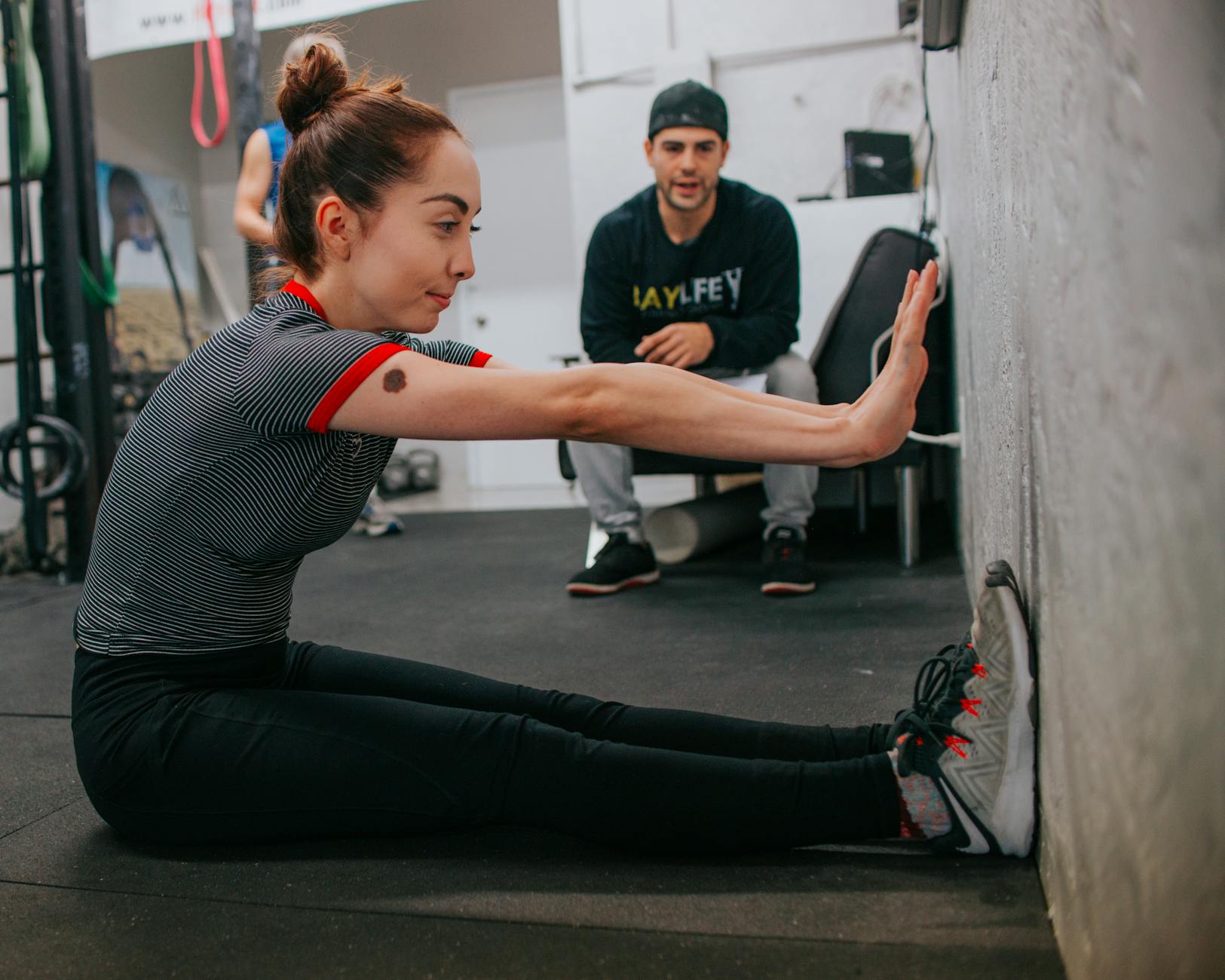
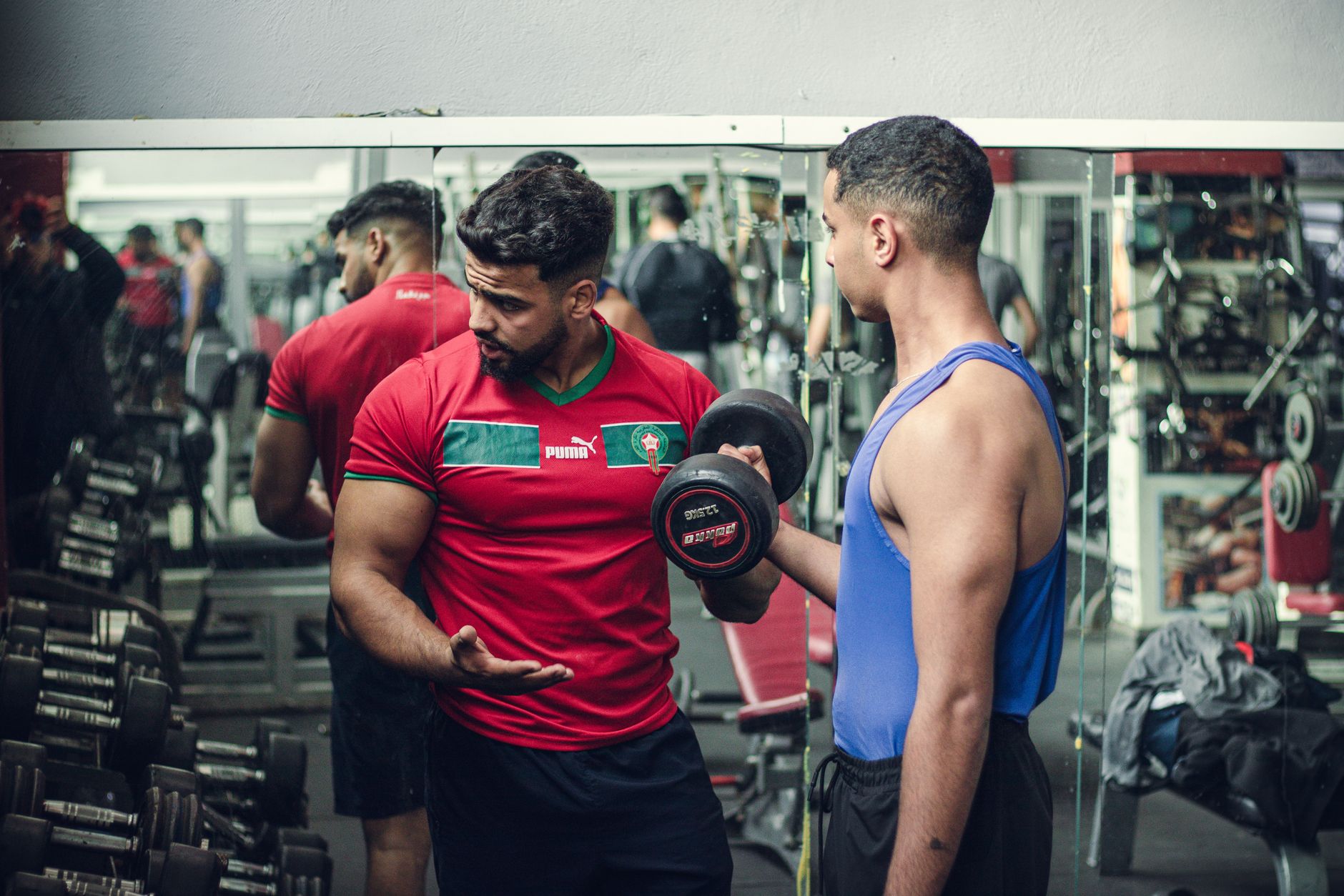
Small group training typically involves a trainer working with 2 to 10 participants, allowing for a more tailored experience than larger classes but still fostering a sense of community. This format not only increases motivation but also enhances accountability among participants.
- Encourages teamwork and mutual support.
- Reduces the cost for clients compared to individual training.
- Increases trainer efficiency while maximizing client engagement.
Benefits of Small Group Training
Many clients prefer small group training for various reasons. Some of the benefits include:
- Cost-effectiveness: Clients receive valuable training at a lower rate.
- Social interaction: Clients can connect with peers, fostering a supportive community.
- Increased motivation: Clients often push each other to perform better.
Designing Engaging Small Group Training Sessions
Curriculum Development
To run effective small group training sessions, it's crucial to develop a well-organized curriculum that meets the diverse needs of the group. Small group fitness programming should be built around the following principles:
- Assessing the skill levels and goals of all participants.
- Incorporating a variety of exercises to maintain engagement.
- Designing progressive levels of difficulty to cater to different fitness levels.
Having a diverse range of activities helps to keep sessions engaging and also prevents plateauing in fitness progression. It’s beneficial for trainers to familiarize themselves with each participant’s background to tailor the programming effectively.
Structuring the Training Session
Session structure is critical for facilitating an effective small group training experience. Consider the following format:
- Warm-up: 5-10 minutes of dynamic stretching and mobility work.
- Core workout: Focus on strength or cardio exercises based on the group’s objectives.
- Cool down: End with stretching and a brief discussion on nutrition or recovery.
Each section should have a specific duration and a clear focus to keep participants on track and engaged throughout the entire session.
Enhancing Group Dynamics
Building Cohesion Among Participants
Creating an environment that fosters positive group dynamics is essential for effective small group training. A few strategies to consider include:
- Encouraging introductions: Allow group members to share their goals and backgrounds.
- Creating teams: Break participants into pairs or small teams for certain exercises.
- Facilitating social interaction: Incorporate team challenges or games to enhance interpersonal connections.
Cohesion not only contributes to client retention but also enhances the overall training experience.
Using Feedback to Adjust to Participant Needs
Regular feedback is vital for assessing the effectiveness of the training program. Trainers should:
- Implement periodic assessments to track progress.
- Encourage participants to provide feedback on workouts and coaching styles.
- Be flexible and adjust programming based on group dynamics and individual progress.
Creating an open line of communication will foster trust and ensure that participants feel valued as they work toward their fitness goals.
Incorporating Technology in Group Training
Utilizing Fitness Apps and Tools
Technology can play a significant role in enhancing the small group experience. Consider incorporating:
- Fitness tracking apps: Use apps that allow participants to track their workouts and progress.
- Wearable devices: Encourage the use of heart rate monitors or pedometers to enhance motivation.
- Social media groups: Create a private group for participants to share progress and encouragement.
These tools can help maintain engagement outside of the training sessions and foster a sense of accountability.
Live Streaming and Virtual Sessions
With the rise of virtual training, offering online group sessions can help attract a wider audience. Benefits of live streaming include:
- Accessibility: Participants can join from anywhere, making it easier for them to stay committed.
- Record keeping: Having recordings of sessions can serve as a resource for clients.
- Flexibility: Providing different scheduling options meets varied client needs.
Creating a Positive Training Environment
Establishing a Supportive Culture
Creating a welcoming environment is key to the success of small group training. Strategies include:
- Positive reinforcement: Regularly celebrate successes, no matter how small.
- Inclusive atmosphere: Ensure that everyone feels comfortable and included, regardless of fitness level.
- Personalized attention: Make a effort to connect with each participant individually.
A supportive culture encourages retention and helps to build a loyal client base.
Addressing Common Challenges in Small Group Training
While group training has its benefits, it also presents unique challenges. Trainers should be prepared to address potential issues such as:
- Different fitness levels: Offer modifications and progressions for exercises to suit varying abilities.
- Lack of engagement: Keep sessions dynamic and interesting to retain participants’ focus.
- Conflict resolution: Be ready to mediate any conflicts that arise among participants.
Adapting to these challenges will ensure that sessions remain productive and enjoyable for everyone involved.
FAQs About Small Group Training
What is the ideal size for a small group training session?
While the size can vary, a group of around 4 to 8 participants tends to work best. This allows for personal attention while maintaining a collaborative environment.
How do I measure progress in group training?
Progress can be monitored through fitness assessments, attendance records, personal bests, and participant feedback. Setting group goals can also be a motivating factor.
Can beginners join small group training sessions?
Absolutely! Small group training is ideal for beginners as the trainer can provide individualized attention and modifications to accommodate different fitness levels.
What should participants bring to a small group training session?
Participants should bring a water bottle, a towel, appropriate workout gear, and any personal equipment needed for specific workouts, such as resistance bands or mats.
Conclusion
Running effective small group training sessions requires a tailored approach to meet the diverse needs of participants. By focusing on developing engaging programs, fostering group dynamics, and creating a positive training environment, trainers can unlock the full potential of small group training. As a fitness coach, your commitment to delivering exceptional experiences can help clients achieve their fitness goals while building a thriving community around your training sessions. Take the next step in enhancing your training by implementing these strategies and watch your small group fitness program flourish!