



Understanding Small Group Training
Small group training is an innovative approach that combines the benefits of personal training and group fitness classes. It typically involves groups of 4 to 10 participants, allowing for personalized coaching in a more intimate environment. This training style not only enhances workout motivation but also fosters a sense of community among participants.
To effectively implement small group training, it's essential to consider the dynamics of group PT coaching, the structure of semi private sessions, and tailored small group fitness programming.
Key Benefits of Small Group Training

- Cost-Effectiveness: Participants benefit from more affordable rates compared to one-on-one training.
- Social Interaction: Group environments can improve motivation and accountability.
- Enhanced Coaching: Trainers can provide focused attention while maintaining a dynamic workout environment.
- Skill Development: The collaborative nature encourages learning from peers and trainers.
Pre-Session Planning
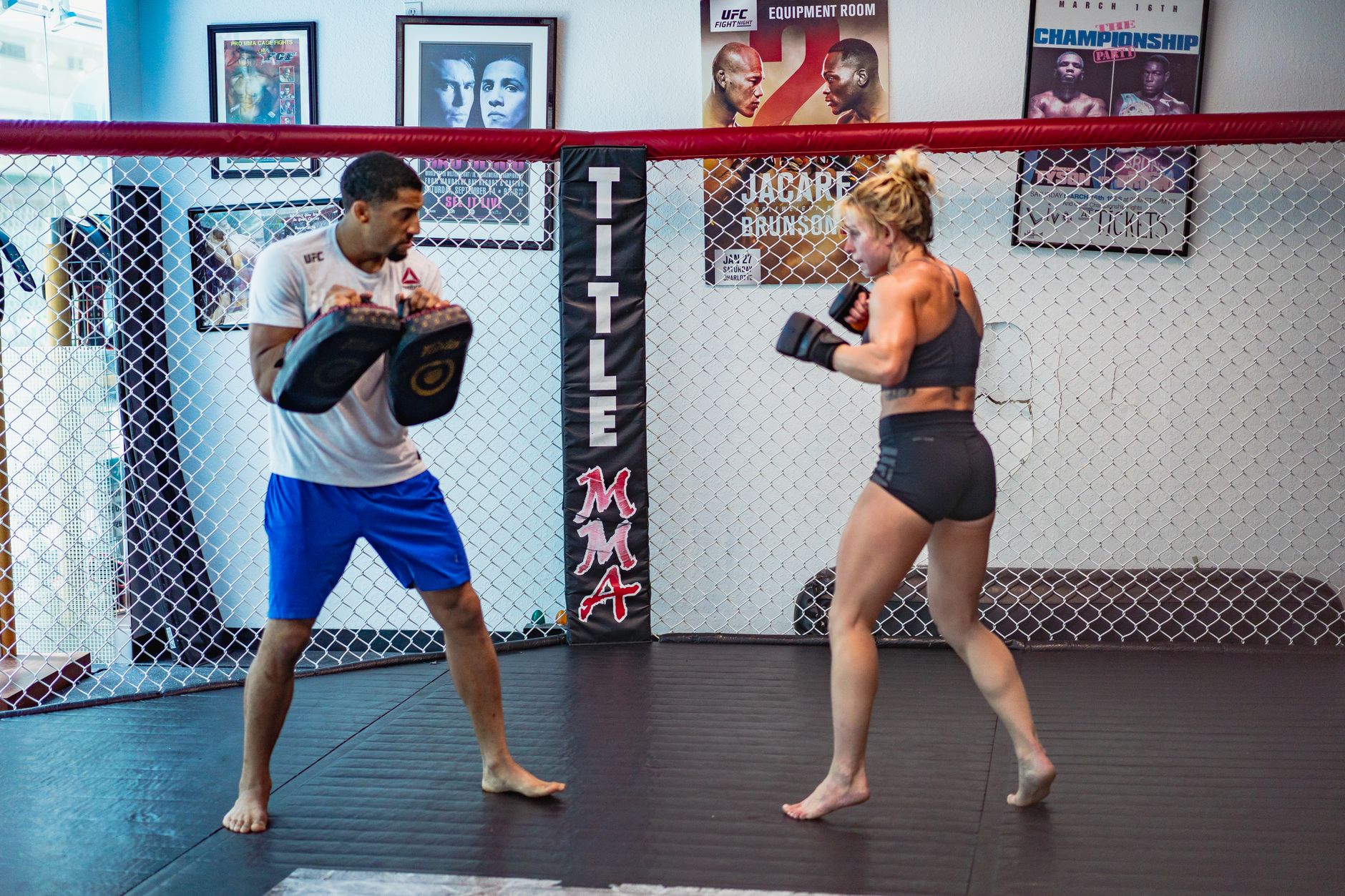
A successful small group session starts with meticulous planning. Here’s how to prepare:
Define Goals and Objectives
- Identify participant fitness levels and tailor goals accordingly.
- Set specific, measurable objectives for each session.
Select Appropriate Equipment
Choose equipment that can cater to varying fitness levels and is versatile enough for a range of exercises. Consider resistance bands, dumbbells, kettlebells, and bodyweight exercises.
Session Structure
Structuring your sessions effectively is crucial in driving results. Here’s a suggested format:
Warm-Up (10-15 minutes)
- Incorporate dynamic stretching to prepare muscles and joints.
- Engage participants with fun movement-based games to enhance group bonding.
Main Workout (30-45 minutes)
Organize the main workout into circuits or specific training modules focused on:
- Strength Training: Use compound movements to maximize efficiency.
- Cardio Conditioning: Integrate high-intensity interval training (HIIT) for effective fat loss.
- Flexibility and Cool Down: Allow time for progressive stretching and recovery.
Coach-Participant Interaction

Effective group PT coaching hinges on robust communication and engagement between the trainer and participants. Consider the following strategies:
Facilitate Open Communication
- Encourage participants to ask questions and express concerns about the workout.
- Utilize feedback forms post-session to better refine future programs.
Build Relationships
Get to know the participants by name, their goals, and personal stories to create a supportive atmosphere that promotes accountability.
Creating Inclusive Environments
Diversity in a training group is common, and it’s crucial to ensure that all participants feel included:
Modify for All Fitness Levels
- Provide variations for exercises to accommodate beginners and advanced athletes.
- Encourage participants to set personal goals instead of comparing themselves to others.
Encourage Team Building
Integrate partner workouts or team challenges to promote camaraderie and enhance motivation among participants.
Utilizing Technology and Tools
Incorporating technology can elevate the training experience:
Fitness Apps and Tracking Tools
- Suggest apps for tracking progress and workouts.
- Use wearable technology to monitor heart rates and exertion levels during sessions.
Group Messaging Platforms
Establish a group chat where participants can interact, share achievements, and motivate each other outside of sessions.
Measuring Success and Keeping Participants Engaged
The success of small group training can be evaluated through various performance metrics:
Regular Assessments
- Conduct fitness assessments every 4-6 weeks to track improvements.
- Use performance indicators and body measurements to celebrate progress.
Engagement Strategies
Keep participants engaged with:
- Monthly challenges and rewards for achievements.
- Social events or fitness outings to strengthen community bonds.
FAQ
What are semi private sessions?
Semi private sessions involve a small group of individuals, typically 2-4 participants, receiving personalized training guidance, fostering both personal attention and a shared experience.
How do I effectively lead a small group session?
Effective leaders are organized, communicate clearly, adapt exercises for different skill levels, and foster an environment that encourages interaction and engagement.
What type of exercises work best in small groups?
Compound movements, HIIT workouts, and flexibility exercises are particularly effective as they can be easily scaled and adapted for all fitness levels.
How can I keep participants motivated?
Motivation can be boosted by fostering a sense of community, recognizing achievements, introducing friendly competition, and ensuring sessions are fun and varied.
Conclusion
Running effective small group training sessions requires careful planning, strong communication, and a deep understanding of participant needs. By integrating these strategies and focusing on inclusive, dynamic programming, trainers can create a thriving training environment. At ElitePTS, we specialize in helping trainers develop and refine their small group fitness programming. Join us today and elevate your training sessions to new heights!