



Introduction
As personal trainers and fitness coaches, our primary goal is to facilitate our clients' success in their fitness journeys. One of the key components in achieving that goal is mastering the art of trainer cueing. Effective cueing not only enhances exercise technique but also ensures safety and promotes the development of proper movement patterns. In this comprehensive guide, we will delve into the science behind cueing and offer practical strategies for exercise technique correction. Whether you’re an emerging trainer or an experienced coach, this guide aims to elevate your coaching skills and improve client outcomes.
The Science of Cueing
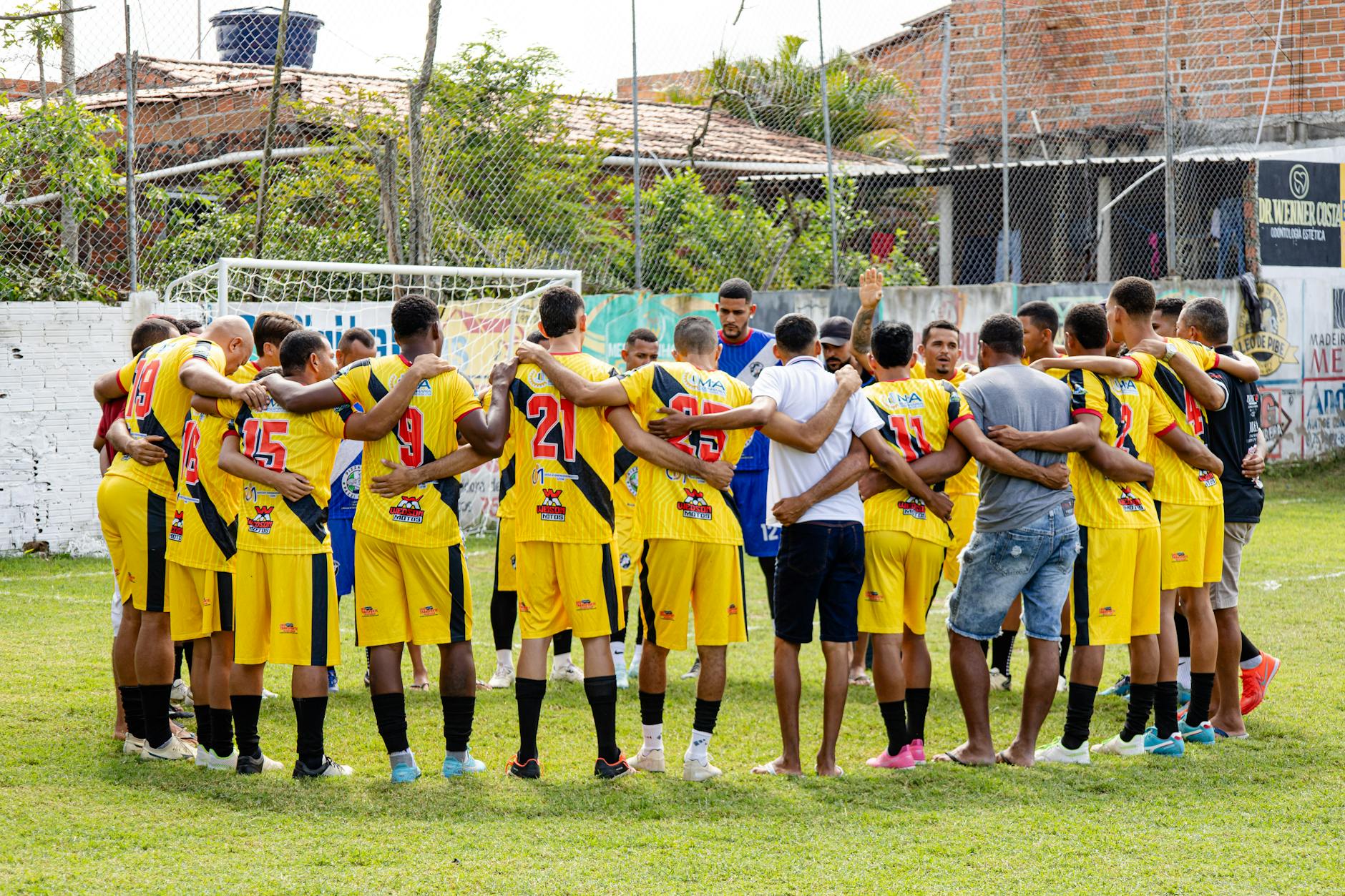
Understanding the science behind PT coaching cues is essential for effective communication during training sessions. The fundamentals of cueing revolve around the principles of motor learning, which dictate how we acquire and refine motor skills.
The Importance of External vs. Internal Cues
Research indicates that external cues (focusing on the outcome of the movement) are often more effective than internal cues (focusing on body movements) when it comes to enhancing performance and execution.
- External Cue Examples: “Push the ground away,” or “Bring your elbows to your sides.”
- Internal Cue Examples: “Keep your chest up,” or “Engage your core.”
External cues help facilitate better motor performance by directing attention away from body mechanics and focusing on task completion, thus improving skills over time.
Feedback Mechanisms
Providing timely feedback is vital for learning proper techniques. This feedback can be verbal, non-verbal, or even video-based. Consider the following:
- Verbal Feedback: Calls out immediate corrections.
- Non-Verbal Feedback: Demonstrating correct form.
- Video Feedback: Analyzing recordings with clients post-session.
Research shows that immediate feedback significantly enhances learning efficiencies.
Effective Techniques for Cueing Movement Patterns
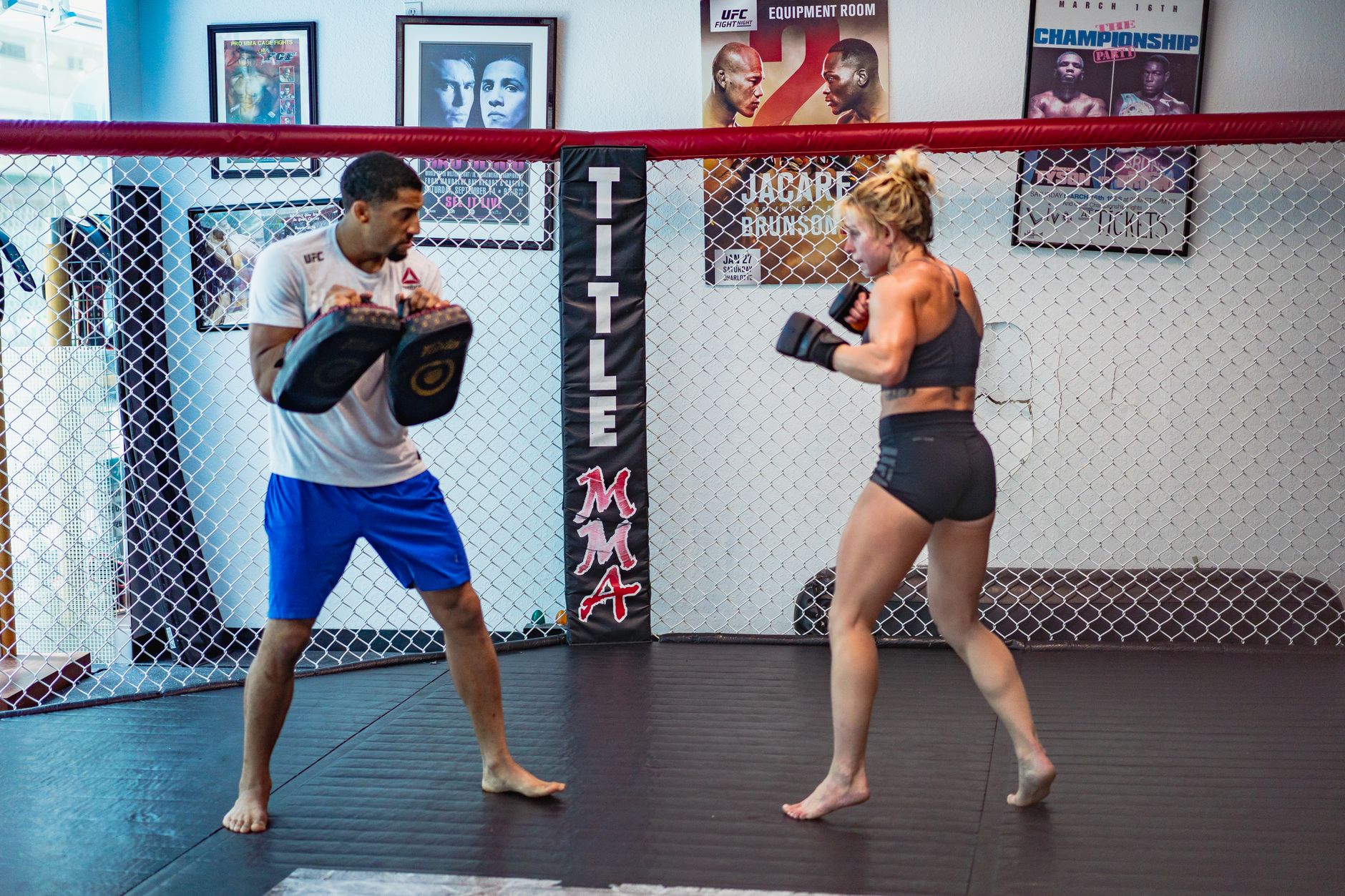
Mastering the technique of cueing movement patterns is essential to ensuring that clients are executing exercises correctly. Explore the following methods:
The Power of Visualization
Encouraging clients to visualize movements can significantly improve their execution. Effective visualization can lead to better technique by strengthening the mind-muscle connection.
- Approach: Ask clients to imagine completing the move in a controlled and powerful manner.
- Tool: Use analogies that relate to their everyday life, such as “Imagine driving your heels into the ground like a strong base.”
Demonstration and Modelling
Demonstrating the correct technique allows clients to see what is expected. Key points include:
- Modeling the Exercise: Perform the exercise yourself, providing a visual cue.
- Use of Mirrors: Encourage clients to watch themselves for self-correction.
Demonstrations boost comprehension and enable quicker learning.
Common Technique Errors and How to Correct Them
Understanding common exercise errors is crucial for effective exercise technique correction. Here are some frequent mistakes with ways to correct them:
Squat Depth and Form
Many clients struggle with proper squat depth and form. Major considerations include:
- Common Mistake: Allowing the knees to collapse inward.
- Correction Technique: Cueing clients to “push their knees out” during the descent helps maintain proper alignment.
Deadlift Techniques
Improper deadlift form can lead to injuries. To correct common errors:
- Common Mistake: Rounding the back during the lift.
- Correction Technique: Cue clients to “keep the chest proud” and “pull the shoulders back and down.”
Utilizing tactile feedback can also be helpful; placing a hand on the back can remind clients to maintain proper form.
Developing a Cueing Strategy

Implementing a consistent cueing strategy during training sessions can significantly enhance client learning experiences.
Customized Cues for Different Clients
Every client is different, so personalizing cues to fit their unique movement patterns and learning styles can lead to better results:
- Identify Learning Styles: Some athletes may respond better to visual cues, while others may prefer verbal or tactile feedback.
- Progressive Complexity: Start with simple cues, progressing to more complex cues as their understanding grows.
Utilizing Technology for Cueing
Incorporating technology such as apps that showcase proper technique can significantly enhance the learning process:
- Applications: Use apps that provide coaching tips based on movement analysis.
- Wearable Tech: Implement technology that provides feedback on body positioning in real time.
These tools allow trainers to offer more precise, data-driven cues that cater to individual needs.
Building Confidence Through Positive Reinforcement
Building a client’s confidence in their abilities can foster a more effective learning environment. Consider the following approaches:
Positive Feedback Loops
Communicating effectively can create positive reinforcement, making clients more receptive to correction:
- Integrate Praise: Always include compliments alongside corrections to maintain motivation.
- Set Achievable Goals: Establish small, measurable objectives that promote gradual improvement and success.
Positive reinforcement improves the overall training experience and encourages clients to push through challenges.
Encouraging Self-Assessment
Empowering clients to evaluate their performance can boost confidence:
- Reflective Practice: After completing exercises, ask clients how they feel and what they think they could improve.
- Peer Feedback: Encourage them to observe and provide feedback to each other during group sessions.
This approach fosters a sense of ownership over their fitness journey.
Frequently Asked Questions
What is the primary purpose of cueing in fitness training?
The primary purpose of cueing in fitness training is to provide clear, specific guidance to clients, ensuring they execute exercises safely and effectively.
How can I improve my cueing skills as a trainer?
Improving cueing skills involves understanding your clients’ learning styles, practicing various cue types (external/internal), and seeking feedback on your coaching approach.
What are some examples of effective coaching cues?
Effective coaching cues include visual analogies, direct physical touch for alignment, or specific positional commands such as “engage your core” or “drive your heels into the ground.”
How often should I provide feedback during training sessions?
Feedback frequency depends on the client’s skill level; beginners may require more immediate feedback, while advanced clients might benefit from less frequent corrections to promote independence.
Conclusion
Mastering trainer cueing and exercise technique correction is essential for any personal trainer dedicated to delivering effective coaching. By applying the techniques outlined in this guide, you can significantly improve your clients’ performance and safety while enhancing their fitness experience. For personalized coaching and more insights into advanced training techniques, contact ElitePTS today to elevate your training practice.