


Introduction
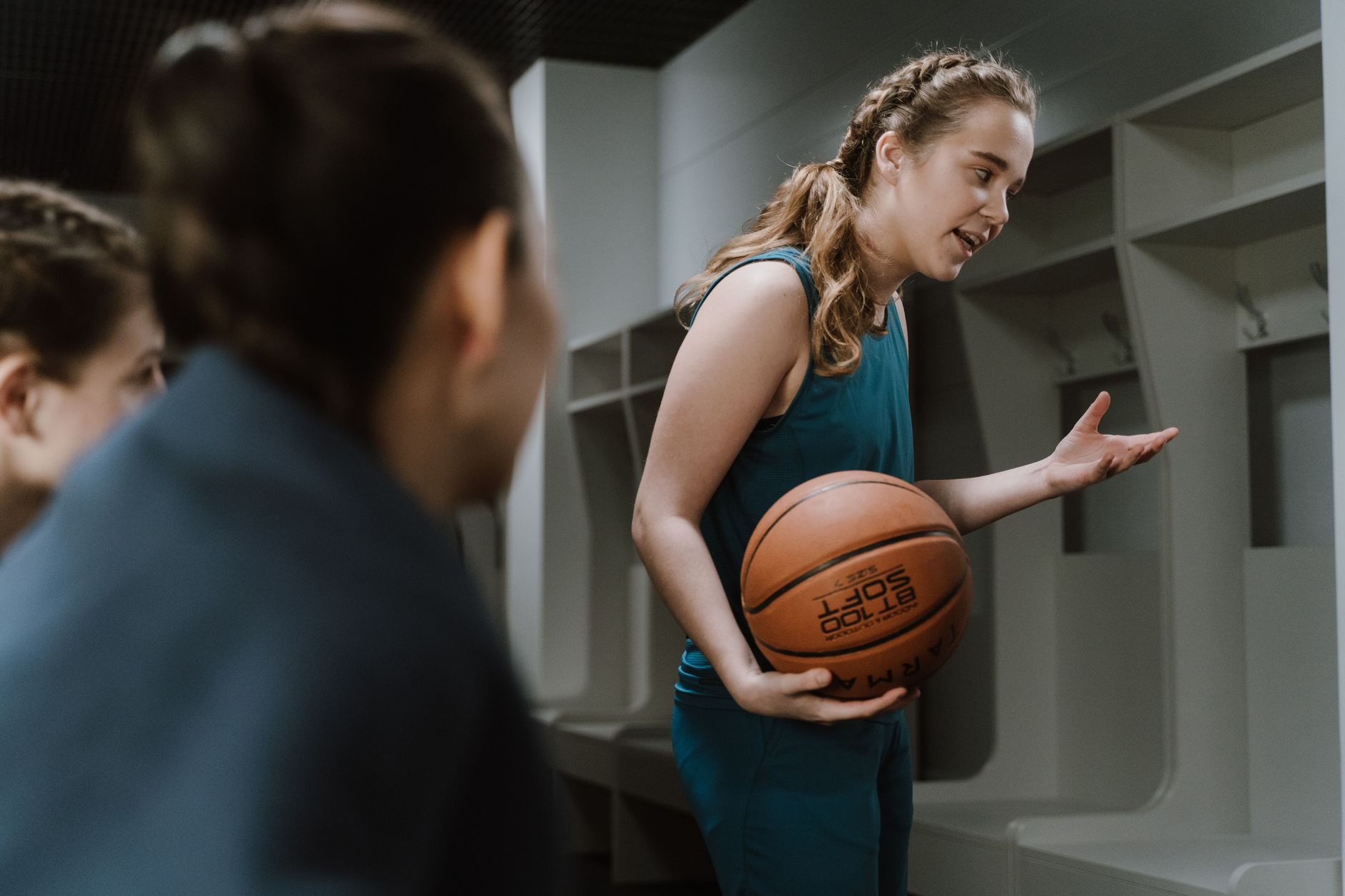
In the world of fitness, not all trainers are created equal. While an average trainer might help clients achieve basic fitness goals, an elite personal trainer goes beyond, offering tailored guidance, motivation, and education that empowers their clients to reach peak performance and overall well-being. In this article, we delve into the qualities that separate average trainers from the best fitness coaches and how you can identify and become one.
The Importance of Specialization
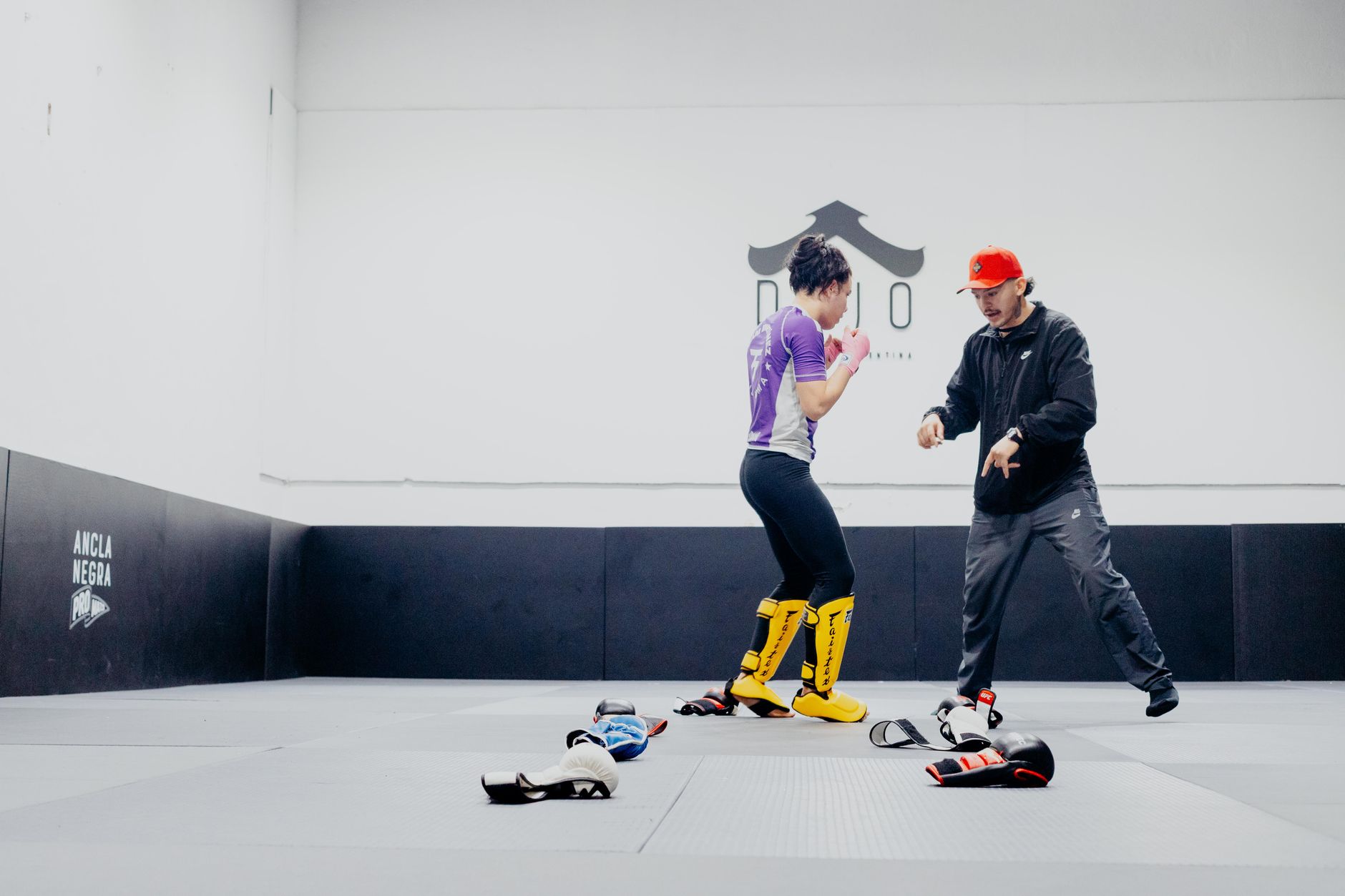

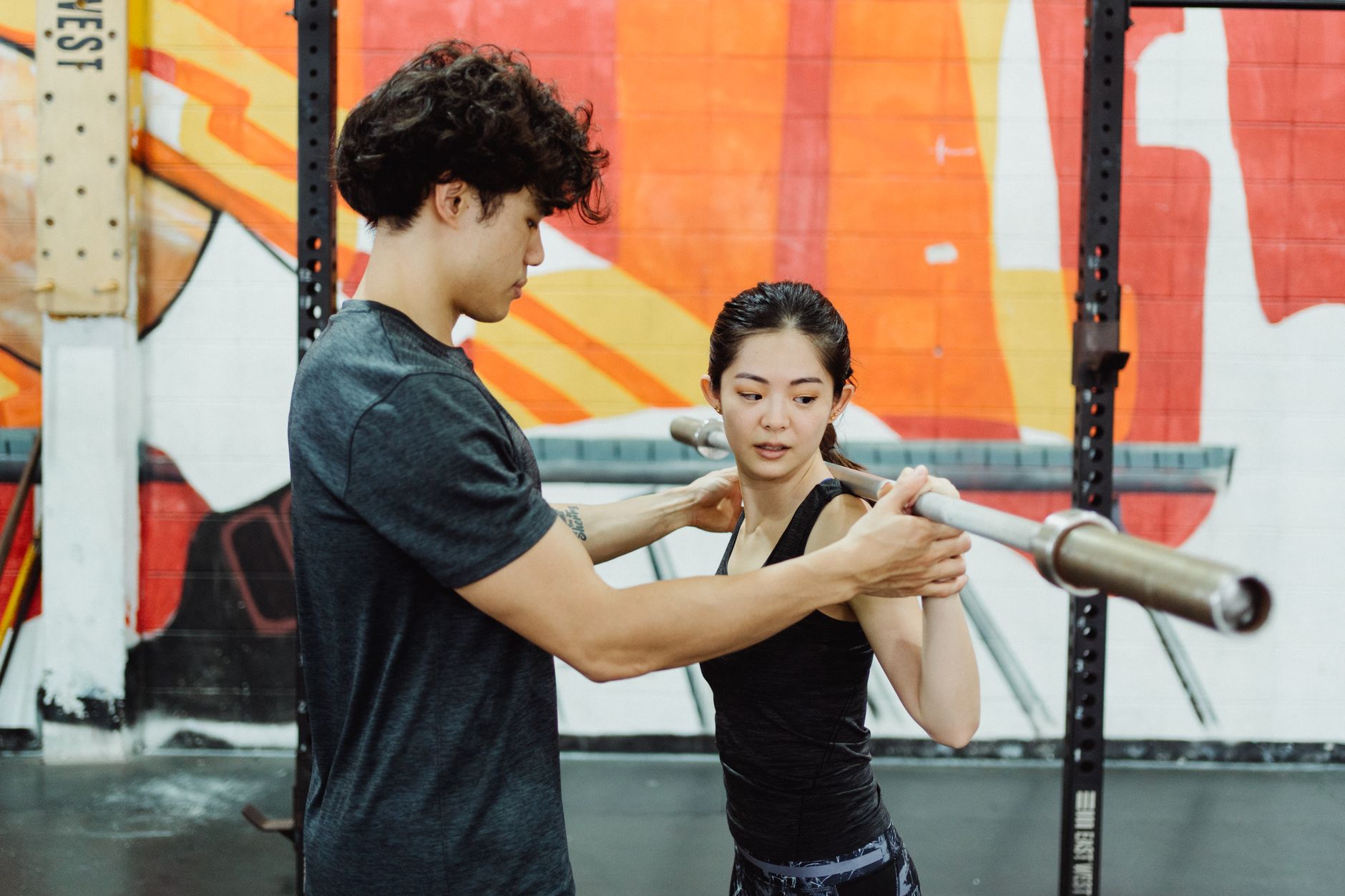
One of the defining characteristics of elite coaches is their specialization. They understand the diverse range of fitness needs and how to cater to them effectively.
Understanding Client Needs
Elite coaches take the time to assess individual client needs, gathering data about their fitness levels, goals, and any limitations. This personalized approach ensures that all training regimens are effective and safe.
- Conduct thorough assessments.
- Set realistic and measurable goals.
- Continuously monitor progress and adjust plans.
Staying Updated with Trends
The field of fitness is always evolving, with new research and exercise techniques emerging regularly. Elite personal trainers stay informed about these changes and adjust their programs accordingly.
- Regularly read relevant scientific journals.
- Attend workshops and fitness seminars.
- Network with other professionals in the field.
Communication Skills
Effective communication is essential for any coach. How elite trainers deliver information to clients can significantly influence training success.
Active Listening
Elite coaches practice active listening, ensuring they fully understand their clients' concerns and motivations. This creates a safer training environment and fosters a strong coach-client relationship.
- Give clients your undivided attention.
- Ask probing questions to gain deeper insights.
- Provide feedback that encourages improvement.
Clear Instructions and Feedback
Clarity in communication helps clients understand exercises and routines better. Elite trainers regularly provide constructive feedback to improve clients’ technique and motivation.
- Use simple language.
- Demonstrate exercises personally.
- Use visual aids, if necessary.
Motivation Techniques
Motivating clients is another critical area that distinguishes elite personal trainers from average trainers. Motivation is the driving force that keeps clients engaged in their fitness journeys.
Setting and Celebrating Milestones
Elite coaches work with clients to set achievable milestones, celebrating their successes to enhance motivation and commitment.
- Establish short-term and long-term goals.
- Use progress tracking tools to visualize achievements.
- Celebrate both big and small victories.
Building a Supportive Environment
An elite trainer fosters an environment that promotes positivity and support, making clients feel comfortable and confident.
- Encourage camaraderie among clients.
- Create engaging group challenges.
- Offer consistent and positive reinforcement.
Knowledge of Exercise Science
Understanding the underlying principles of exercise science is essential for any fitness professional. Elite personal trainers possess extensive knowledge that allows them to make informed decisions for their clients’ training.
Understanding Anatomy and Physiology
Knowledge of anatomy and physiology enables a trainer to design safe and effective programs tailored to individual fitness levels.
- Understand muscle groups and movements.
- Develop programs that prevent injury and promote recovery.
- Base exercise choices on biomechanical principles.
Nutritional Guidance
An elite trainer often provides nutritional guidance, emphasizing its importance in achieving fitness goals and enhancing overall health.
- Stay updated on nutritional knowledge.
- Offer clients tailored dietary advice.
- Integrate nutritional discussions into training sessions.
Commitment to Client Progress
Elite personal trainers are fully committed to their clients’ success. They invest time and resources into their education and training methods.
Regularly Updating Skills
Continuous professional development is crucial for elite coaches. They seek additional certifications and education to remain at the forefront of the industry.
- Obtain advanced certifications in specialized areas.
- Participate in workshops and training retreats.
- Regularly review and revise training methodologies.
Building Long-Term Relationships
Elite coaches focus on building long-term relationships with their clients, enhancing trust and accountability.
- Check in with clients outside of sessions.
- Maintain open lines of communication.
- Provide personalized support through challenges.
Empathy and Emotional Intelligence
Elite trainers possess high levels of empathy and emotional intelligence, allowing them to connect deeply with their clients.
Understanding Client Emotions
Recognizing and responding to the emotional states of clients helps trainers to tailor their coaching approach accordingly.
- Be aware of verbal and non-verbal cues.
- Adjust coaching strategies based on client mood and attitude.
- Provide support during challenging periods.
Creating a Positive Experience
An empathetic coach creates an enjoyable training atmosphere, crucial for retention and progress.
- Encourage a positive mindset.
- Incorporate fun and variety into workouts.
- Build a community that values health.
FAQ
What are the essential qualifications for becoming an elite personal trainer?
While there is no set path, essential qualifications include a certification from a reputable organization, specialized training in areas like nutrition or strength and conditioning, and ongoing education in fitness trends.
How can I identify an elite personal trainer?
Look for a trainer with a solid educational background, demonstrated success with diverse clients, excellent communication skills, and a commitment to continuous learning.
Can an average trainer become elite?
Absolutely! By focusing on developing the key characteristics of elite coaches, such as communication skills, ongoing education, and emotional intelligence, any trainer can elevate their practice.
What role does client feedback play in a trainer’s success?
Client feedback is critical as it helps trainers refine their techniques, address areas for improvement, and enhance the overall training experience.
Conclusion
Becoming an elite personal trainer involves much more than just certifications and gathering clients. It requires a commitment to understanding your clients’ needs, communication, empathy, and a dedication to continuous education. At ElitePTS, we strive to cultivate these qualities in our trainers, ensuring that they provide top-notch service and support. Are you ready to elevate your fitness journey? Join ElitePTS today and experience the difference of training with an elite coach!