



Introduction
In the world of personal training, achieving measurable results is essential for both trainers and clients. The rise of technology has made it easier than ever to collect data related to client progress and performance. By using fitness metrics tracking, trainers can develop individualized programs that drive success. This article explores how utilizing data-driven training can enhance your clients' results, supported by scientific principles and practical tips.
Understanding Fitness Metrics

Before delving into data-driven training, it’s crucial to understand what we mean by fitness metrics. These are quantitative measures that give insight into a client's physical condition, performance, and progress over time.
What are Common Fitness Metrics?
- Body Composition: Measures of fat versus lean mass are indicators of health and fitness.
- Strength Levels: Data from weightlifting can track improvement in physical strength.
- Endurance Metrics: Time and distance for cardiovascular activities indicate fitness levels.
Importance of Tracking Metrics
Tracking metrics is fundamental in personal training, as it allows trainers to:
1. Set realistic goals: Use baseline metrics to establish achievable objectives for clients.
2. Adjust training protocols: Monitor progress and modify programs as needed for continued improvement.
Implementing Data-Driven Training
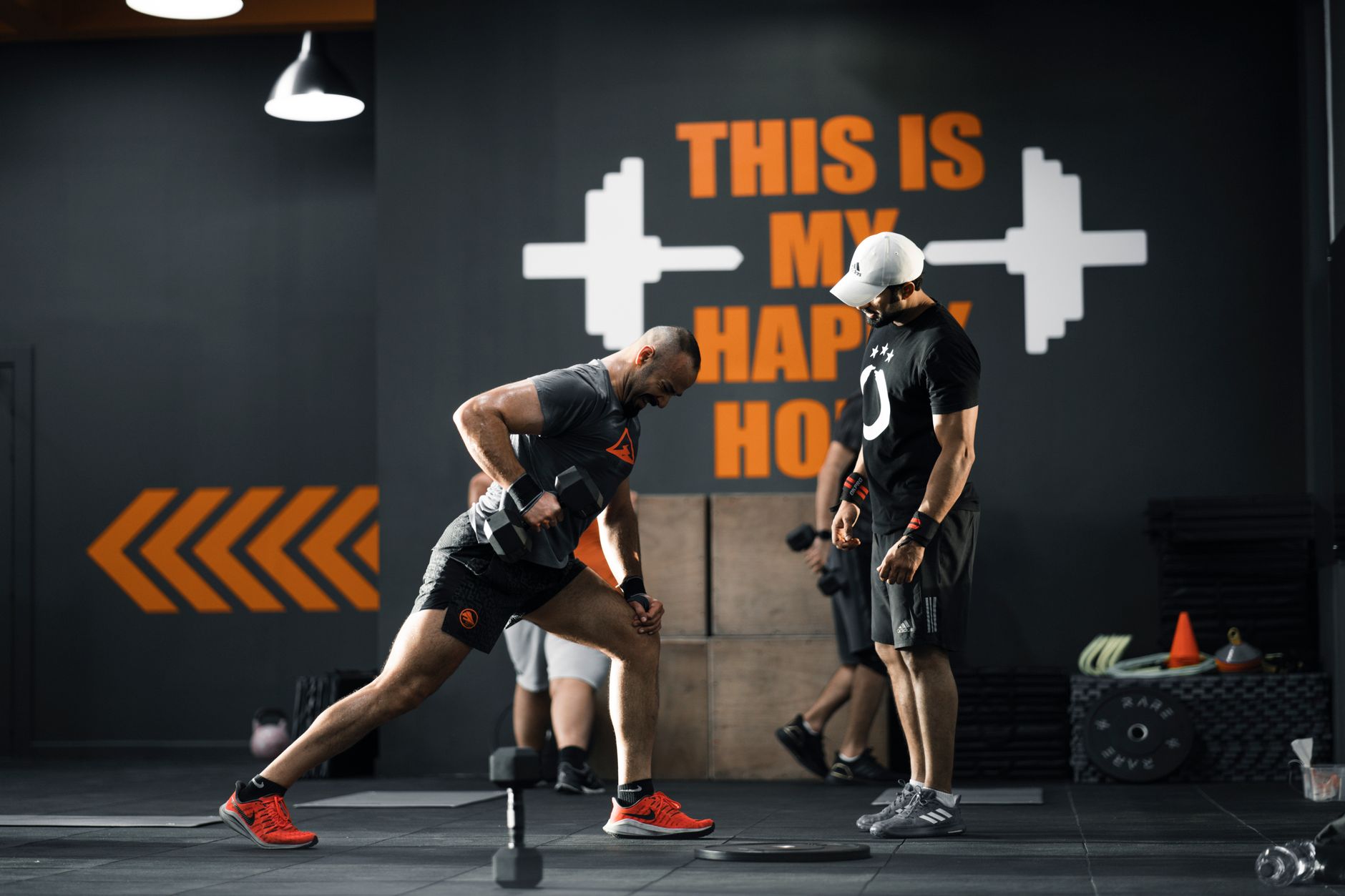
As personal trainers, integrating data-driven approaches into your practice can significantly enhance the service you provide to clients. Here’s how to implement this strategy effectively.
Utilizing Technology for Data Collection
From wearables to apps, technology is a game-changer in client progress tracking. Some tools include:
- Fitness Trackers: Devices that monitor heart rate, calories burned, and activity levels.
- Mobile Apps: Software solutions that allow clients to log workouts, nutrition, and metrics.
- Body Composition Analyzers: Devices that provide insights into fat and muscle mass.
Establishing Baselines
Your first step in PT measurement is to establish baseline data for each client. This allows for personalized programs rooted in hard data:
- Fitness assessments: Conduct initial evaluations in strength, flexibility, and endurance.
- Health screenings: Gather data on heart rate, blood pressure, and any pre-existing medical conditions.
- Client questionnaires: Understand client goals and past experiences with fitness.
Analyzing Data for Better Outcomes
Once you collect data, analyzing it becomes crucial for informing your training programs. Here’s how to do it effectively.
Identifying Trends and Patterns
Look for trends in client data over time. This can provide insights into:
1. Progress rate: Determine how quickly clients are achieving their goals.
2. Training triggers: Identify factors that lead to improved performance or setbacks.
Utilizing Performance Dashboards
Many trainers now employ performance dashboards to visualize data. Here’s how they can help:
- Ease of interpretation: Graphs and charts help quickly understand complex data.
- Client engagement: Sharing dashboard results with clients fosters accountability and motivation.
Practical Tips for Effective Metrics Usage

To maximize the effectiveness of your data-driven training, consider these actionable tips:
Select Relevant Metrics
Not all metrics are created equal. Choose those that align with your clients' goals and the training program's nature.
Regularly Review and Adjust
Data tracking isn’t a one-time event. Schedule regular reviews to assess progress and make necessary adjustments. This could be bi-weekly or monthly based on individual needs.
Educate Your Clients
Clients should understand the metrics you’re tracking and why they matter. Provide education on how these data points can help their training experience and outcomes.
Overcoming Common Challenges in Data Tracking
While data tracking is valuable, there can be challenges, such as client resistance and data overload. Here are some strategies to address these issues.
Client Engagement Strategies
- Communicate benefits: Clearly articulate how metrics contribute to achieving fitness goals.
- Create a supportive environment: Encourage clients to trust the process and stay engaged with regular feedback.
Simplifying Data Presentation
Avoid overwhelming clients with too much data at once. Focus on tracking a few key metrics that showcase significant results.
FAQs About Data-Driven Training
What are the best metrics to track for general fitness?
For general fitness, tracking body composition, cardiovascular endurance, and strength levels is ideal.
How often should I track my clients' progress?
Progress should ideally be reviewed every 4-6 weeks, allowing adjustments based on data trends.
Can metrics be misleading?
Yes, metrics can sometimes present an incomplete picture. Context matters, so combine quantitative data with qualitative assessments.
What tools are best for tracking fitness metrics?
Some of the best tools include fitness apps, wearables, and performance management software that visualize data for trainers and clients.
Conclusion
Utilizing fitness metrics tracking to bolster client results can drastically improve the effectiveness of your personal training services. By embracing a data-driven approach, you empower clients on their fitness journey, helping them achieve their goals more efficiently. At ElitePTS, we specialize in personalized training methods backed by science and innovation. Join us today to transform your training approach and enhance client success!