



Introduction
In the world of personal training, success hinges not only on motivational techniques but also on science and data. As personal trainers, we aim to maximize client results, and one of the most effective ways to achieve this is through fitness metrics tracking. By utilizing data-driven training approaches, trainers can better tailor programs to meet individual client goals, leading to significant improvements in performance, motivation, and results.
Understanding Fitness Metrics


Fitness metrics refer to specific data points used to measure a client’s performance, health, and improvement over time. These can include body measurements, strength assessments, endurance tests, and even lifestyle factors. Understanding these metrics is crucial for establishing a baseline and setting realistic fitness goals.
Common Types of Fitness Metrics
- Body Composition: Measures body fat percentage, muscle mass, and other components.
- Strength Levels: Includes metrics such as maximum lift weights and repetitions.
- Endurance Indicators: Such as VO2 max and performance in duration-based exercises.
The Importance of Baselines
Establishing a baseline is critical for any training program. It allows trainers and clients to identify starting points and track progress accurately. Baselines can be acquired through initial assessments that track metrics like body fat percentage and strength levels.
Implementing Data-Driven Training
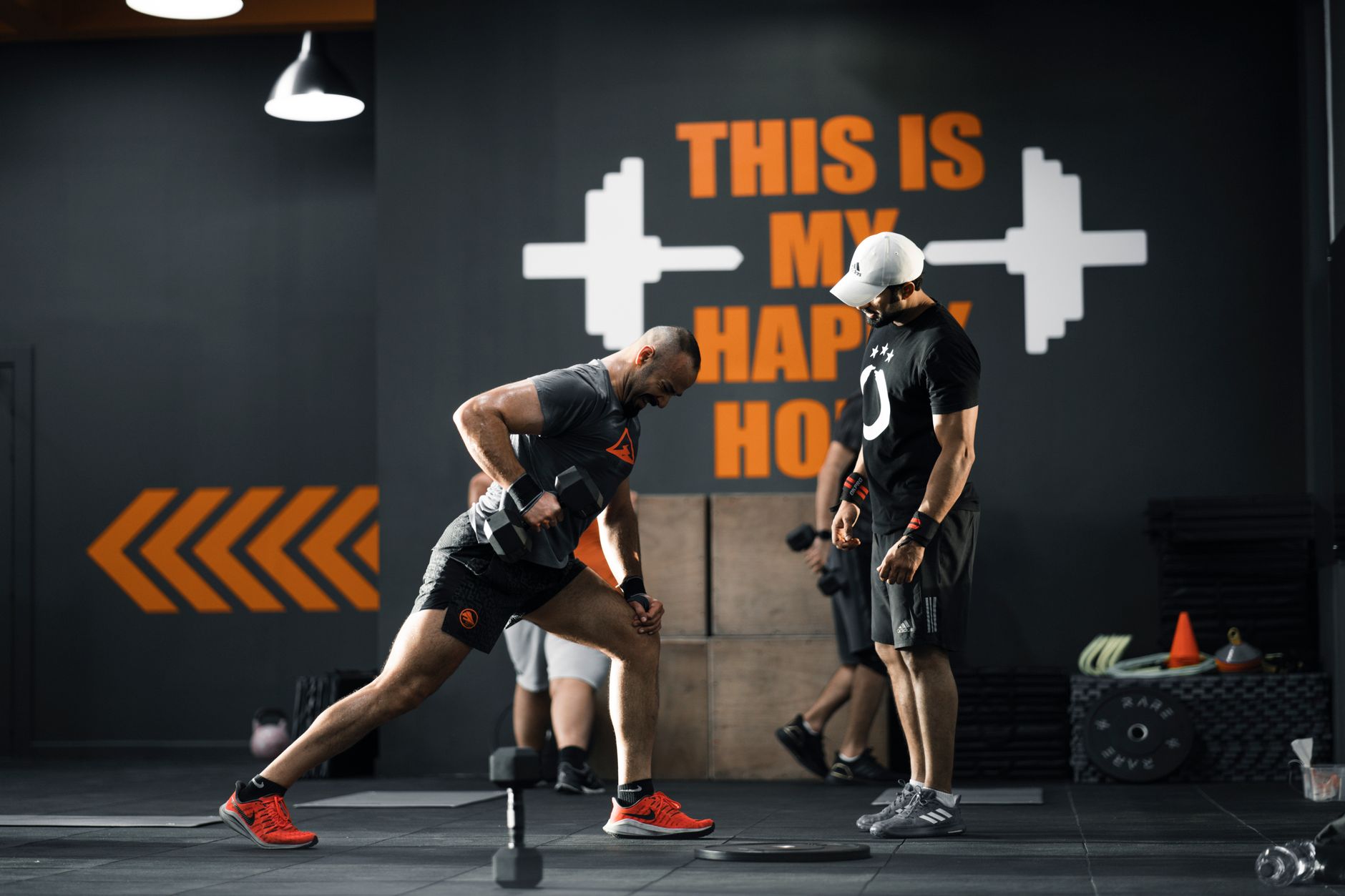
Data driven training combines scientific methodologies with practical applications. This approach relies heavily on continuous assessment and adaptation to optimize client outcomes.
Collecting Data Effectively
- Regular Assessments: Schedule periodic assessments to gather ongoing metrics.
- Client Feedback: Use surveys or discussions to understand subjective progress.
- Wearable Technology: Introduce fitness trackers that collect heart rate, activity levels, and more.
Staying Objective with Data
Utilizing metrics helps maintain objectivity throughout the personal training process. With concrete data, trainers can make informed recommendations rather than relying solely on anecdotal evidence.
Client Progress Tracking and Motivation
One of the key aspects of client success is tracking progress effectively. This not only shows clients their advancements but also keeps them motivated throughout their journey.
Visualizing Progress with Charts and Graphs
Using tools to create visual representations of progress is an excellent way to motivate clients. Graphs displaying weight loss or performance improvements can have a powerful impact on client morale.
Setting Micro-goals
Client progress tracking should include setting achievable micro-goals. This keeps clients engaged and gives them short-term targets to celebrate on their journey.
The Role of Personal Trainers in Data Analysis

Personal trainers must not only collect data but also analyze and interpret it effectively. This interpretation is essential in adjusting training programs to better fit client needs.
Analyzing Client Trends
- Recognizing Patterns: Track trends over time to spot improvements or regressions.
- Adjusting Workouts: Use analyzed data to refine workout plans based on individual progress.
- Personalization: Customize programs to align with data-driven insights for optimal results.
Utilizing Technology
Various software solutions and applications exist to assist personal trainers with data management. These technologies simplify data collection and analysis, allowing trainers to focus more on coaching.
Building Client Relationships through Data
Sharing data insights with clients helps build trust and rapport. Clients appreciate transparency and understanding how metrics translate into their personal successes.
Communicating Insights
- Regular Check-ins: Schedule consistent discussions about progress metrics.
- Education: Teach clients the significance of various fitness metrics and how they relate to their goals.
- Encouragement: Use positive language to reaffirm progress, even when metrics fluctuate.
Creating Accountability
Using data allows trainers to hold clients accountable. When metrics are clear and transparent, clients are more likely to stay committed to their programs.
FAQs About Fitness Metrics Tracking
What is fitness metrics tracking?
Fitness metrics tracking involves measuring various indicators of health and performance to assess progress over time.
How often should I track my fitness metrics?
It’s advisable to track metrics regularly, such as weekly for workouts and monthly for body composition changes, to see clear trends.
Can I track my progress without a trainer?
Yes, clients can track their progress using apps, wearables, or traditional methods like journals, but guidance from a trainer can enhance accuracy.
Why are data-driven approaches important in personal training?
They provide objective insights, enable personalizations of programs, and help keep clients motivated through visible progress.
Conclusion
Incorporating fitness metrics tracking and data-driven approaches into personal training can dramatically improve client outcomes. At ElitePTS, we believe in the power of combining science with fitness to achieve exceptional results. If you're ready to elevate your training journey, join us today and experience the difference!