



Introduction
In the age of digital transformation, the fitness industry has been revolutionized through technology, allowing trainers to connect with clients worldwide without the geographical barriers of traditional in-person sessions. However, this shift brings its own challenges, primarily focused on maintaining remote coaching accountability. As a trainer, ensuring your clients remain accountable to their fitness goals is crucial for their success and your reputation as a coach. This article will guide you through effective strategies to foster maximum accountability in remote coaching, exploring innovative methods that go beyond mere check-ins.
Understanding Remote Coaching Accountability


Remote coaching accountability refers to the systematic methods that personal trainers implement to ensure clients remain committed and engaged in their fitness journey, despite the physical distance. This accountability is foundational not only for client adherence but also for the overall effectiveness of an online fitness program. Let’s break down what remote coaching accountability entails:
- Commitment to Goals: Holding clients accountable to their fitness goals.
- Communication: Frequent interaction to reinforce motivation.
- Monitoring Progress: Using tools to track performance and progress.
Why Accountability Matters in Virtual Training
Accountability acts as a core support structure for clients who often find themselves lost in the solo nature of remote training. When people believe they are being observed, they tend to perform better.
Without the physical presence of a coach, clients may struggle with:
- Motivation: The absence of immediate encouragement can lead to a lack of effort.
- Commitment: It becomes easier to dismiss workout days without accountability.
Effective Check-in Systems for Remote Trainers
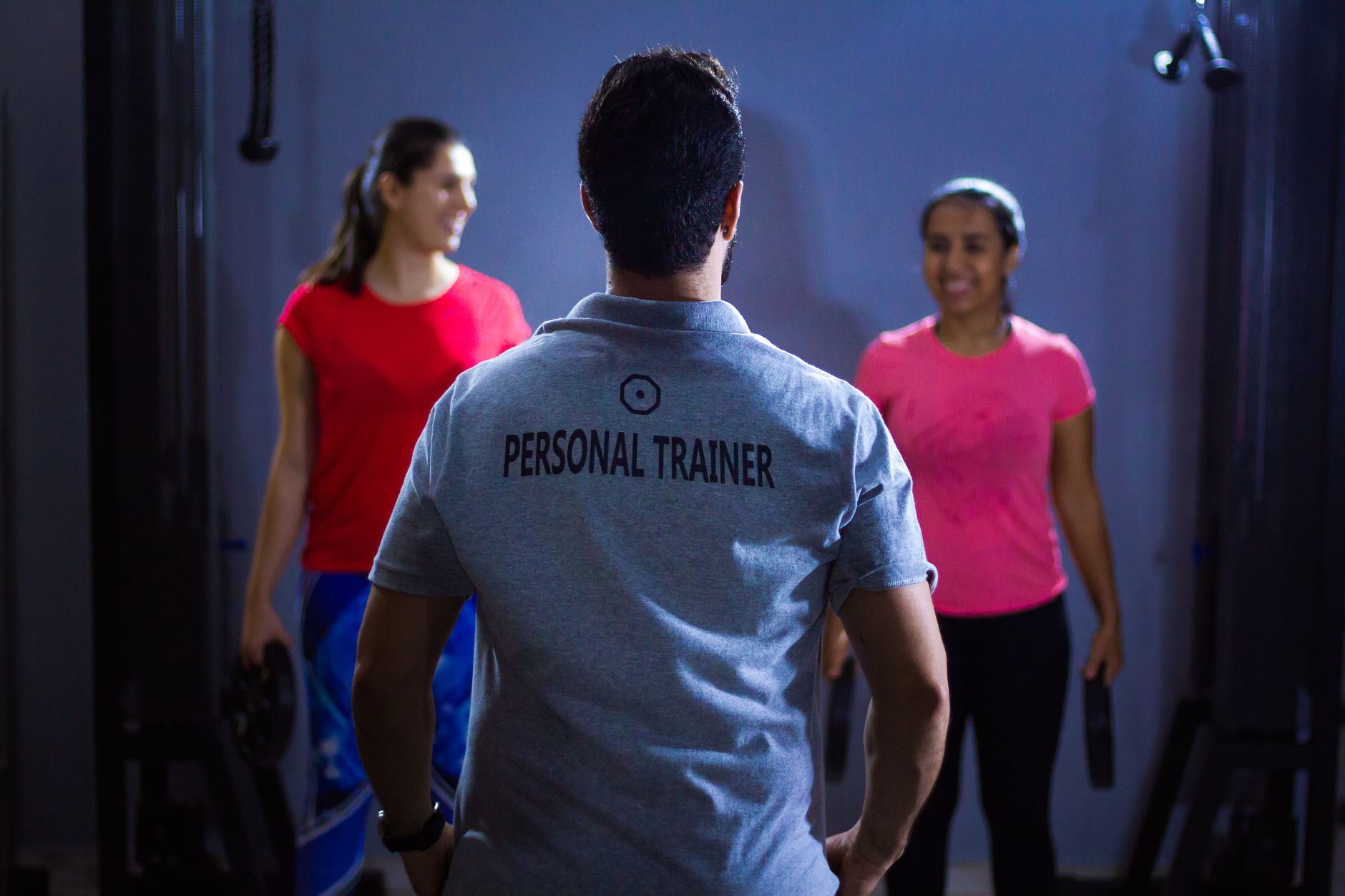
Integrating an effective check-in system into your virtual coaching strategy can significantly enhance accountability. There are several approaches to consider:
Automated Check-in Tools
Using software designed for fitness accountability can save time and ensure consistency. For example, clients can receive automated reminders for their workouts, nutrition logging, and weekly progress checks.
Popular tools include:
- TrueCoach: Allows trainers to send workouts and track client progress.
- Trainerize: Offers accountability features such as check-ins and messaging.
Weekly Video Check-ins
Consider scheduling weekly video check-ins to discuss progress and obstacles. This personal interaction can enhance motivation and create a deeper connection.
During these sessions, focus on:
- Discussing Progress: Review completed workouts and progress metrics.
- Identifying Barriers: Help clients overcome challenges they faced in the week.
Building a Virtual Coaching System that Works
A robust virtual coaching system lays the groundwork for your remote coaching practices. Here’s how to design a reliable system:
Creating Structured Programs
Well-structured programs not only outline fitness goals but also include specific timelines and metrics for success. Each program should cater to individual client needs, ensuring they feel personalized.
Your program structure could include:
- Weekly Workout Plans: A clear outline of daily exercises.
- Nutrition Targets: Clear guidelines on nutrition intake, possibly integrating apps for logging.
Utilizing Digital Communication Platforms
Your choice of communication channels can influence client engagement. Platforms like Slack, Zoom, or WhatsApp enable seamless communication. Establishing a default communication routine helps clients feel more supported and connected.
Options may include:
- Daily Messaging: Short check-ins or motivational messages throughout the week.
- Group Coaching Calls: These foster community and collaborative accountability.
Leveraging Technology for Accountability

Innovative tools and technologies can enhance the experience of remote clients, ensuring they remain invested in their fitness plans. Some technologies to consider include:
Fitness Tracking Devices and Apps
Encourage clients to use fitness trackers that provide real-time insights on their workouts and activity levels. These devices offer an additional layer of accountability.
Popular options include:
- Fitbit: Tracks activity levels and syncs with various platforms.
- MyFitnessPal: Helps clients monitor their nutrition and caloric intake.
Online Progress Tracking Tools
Implement progress tracking tools that allow clients to visualize their fitness journey. These tools can keep motivation high and accountability strong.
Your tracking system might involve:
- Weight Tracking Charts: Allow clients to record their weight changes.
- Workout Logs: Regular input of completed workouts and exercises.
Providing Support and Motivation
As a remote coach, it’s vital to maintain a support atmosphere for clients. Here’s how to create a supportive structure:
Creating a Feedback Loop
Regularly obtaining feedback helps you adjust programs to meet client needs better. If they feel their concerns are addressed, it boosts their commitment to the program.
Methods for feedback collection may include:
- Monthly Surveys: Ask clients for input on what’s working and what isn’t.
- One-on-One Check-Ins: Personal feedback discussions will yield the best results.
Motivational Challenges
Launch friendly challenges to motivate clients and foster community engagement. These could be centered around achieving specific fitness milestones or tracking consecutive workout days.
Types of challenges to consider include:
- 30-Day Transformation: A series of workouts and nutritional focuses.
- Consistent Check-in Challenge: Reward clients who complete their check-ins for a month.
FAQs About Remote Coaching Accountability
What tools can enhance accountability in remote coaching?
To enhance accountability, consider tools such as automated check-in software, fitness trackers, and structured communication platforms like Zoom or WhatsApp. These facilitate regular engagement and progress assessment.
How often should I check in with clients?
It’s recommended to have weekly check-ins alongside daily or bi-weekly communications to maintain motivation and ensure clients stay on track with their goals.
How do I keep clients motivated in a remote coaching setup?
Utilize personalized feedback, incorporate challenges, and maintain open communication to keep clients engaged and motivated. Make adjustments to their programs as necessary based on their feedback.
Can accountability improve client retention rates?
Absolutely! Clients who feel accountable are more likely to stay committed to their programs, ultimately leading to better results and higher retention rates.
Conclusion
In summary, fostering accountability in remote coaching is essential not only for your clients' success but also for building a reputable coaching business. By leveraging structured check-in systems, utilizing technology, and providing unwavering support and motivation, you can ensure your clients remain committed to their fitness goals. Embrace these strategies and watch your virtual coaching practice thrive. Start implementing these accountability measures today and transform your coaching efforts!
Ready to take your training to the next level? Contact ElitePTS for science-backed personal training in San Diego, or explore our coaching services.
Ready to take your training to the next level? Contact ElitePTS for science-backed personal training in San Diego, or explore our coaching services.
Ready to take your training to the next level? Contact ElitePTS for science-backed personal training in San Diego, or explore our coaching services.
Ready to take your training to the next level? Contact ElitePTS for science-backed personal training in San Diego, or explore our coaching services.
Ready to take your training to the next level? Contact ElitePTS for science-backed personal training in San Diego, or explore our coaching services.
Ready to take your training to the next level? Contact ElitePTS for science-backed personal training in San Diego, or explore our coaching services.
Ready to take your training to the next level? Contact ElitePTS for science-backed personal training in San Diego, or explore our coaching services.
Ready to take your training to the next level? Contact ElitePTS for science-backed personal training in San Diego, or explore our coaching services.
Ready to take your training to the next level? Contact ElitePTS for science-backed personal training in San Diego, or explore our coaching services.
Ready to take your training to the next level? Contact ElitePTS for science-backed personal training in San Diego, or explore our coaching services.
Ready to take your training to the next level? Contact ElitePTS for science-backed personal training in San Diego, or explore our coaching services.
Ready to take your training to the next level? Contact ElitePTS for science-backed personal training in San Diego, or explore our coaching services.
Ready to take your training to the next level? Contact ElitePTS for science-backed personal training in San Diego, or explore our coaching services.