



Introduction: The Power of Data in Personal Training
In today’s fitness landscape, the integration of data-driven training is becoming more than just a trend; it is a necessity for personal trainers aiming to deliver outstanding results for their clients. As a fitness professional, understanding how to leverage fitness metrics tracking can empower you to tailor your training programs, motivate your clients, and ultimately enhance their performance. This article dives deep into how personal trainers can utilize data and metrics to improve client results.
The Importance of Client Progress Tracking
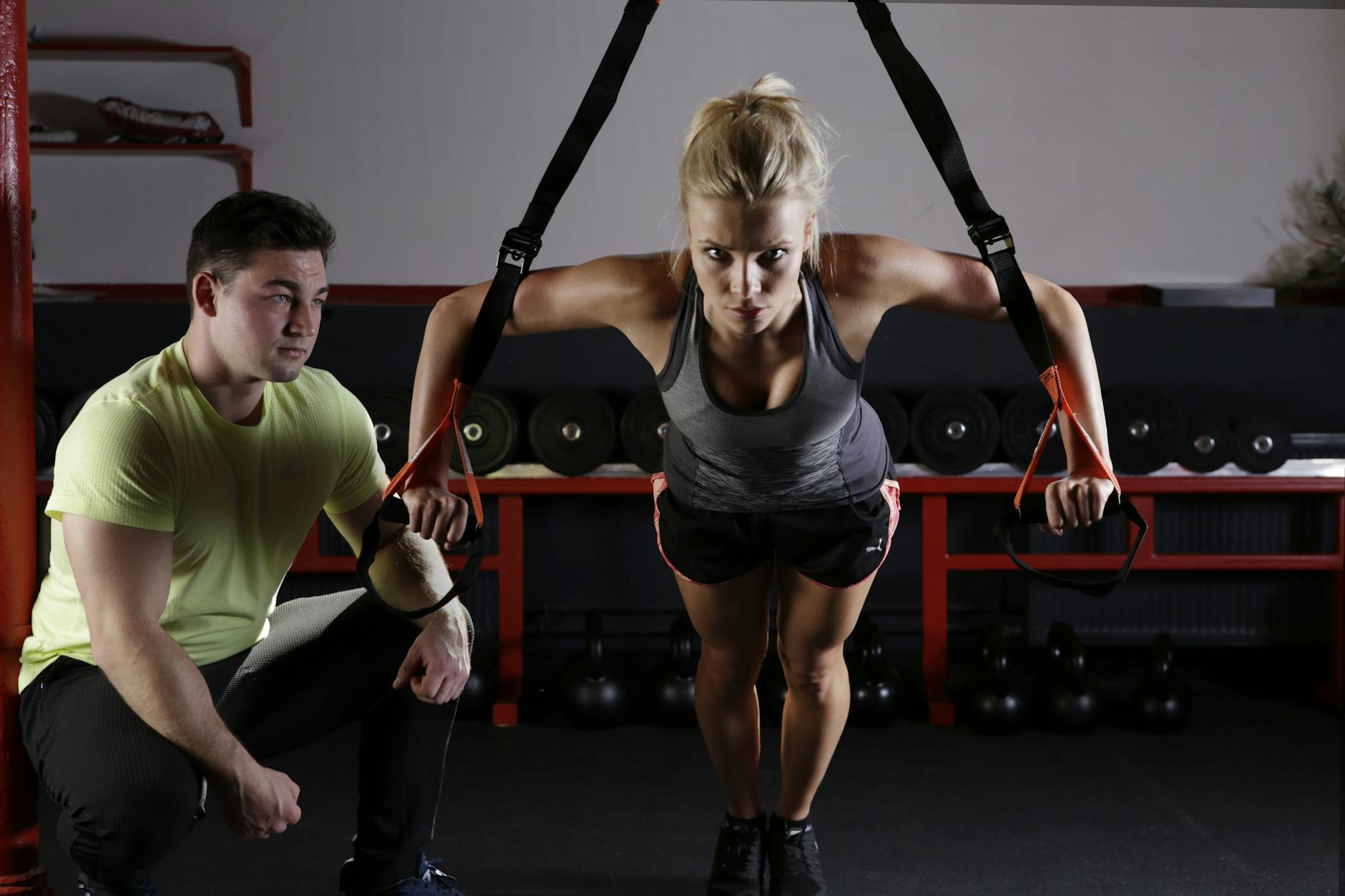

Tracking client progress is essential not only for assessing improvements but also for keeping clients motivated and engaged. By setting measurable goals and regularly monitoring progress, trainers can better adjust programming to match a client's evolving needs.
Understanding Key Performance Indicators (KPIs)
- Body Composition: Tracking weight, body fat percentage, and muscle mass can show changes over time.
- Performance Metrics: These may include strength gains, speed, endurance, and flexibility measurements.
- Subjective Measures: Client self-reports on fatigue, perceived exertion, and satisfaction can provide valuable insights.
Tools for Effective Progress Tracking
- Apps and Software: Utilize technology to streamline data collection and visualization of progress.
- Wearable Devices: These gadgets can monitor heart rate, calories burned, and even sleep patterns.
- Custom Spreadsheets: Make your own trackers tailored to specific client goals and metrics.
Implementing Data-Driven Training Programs
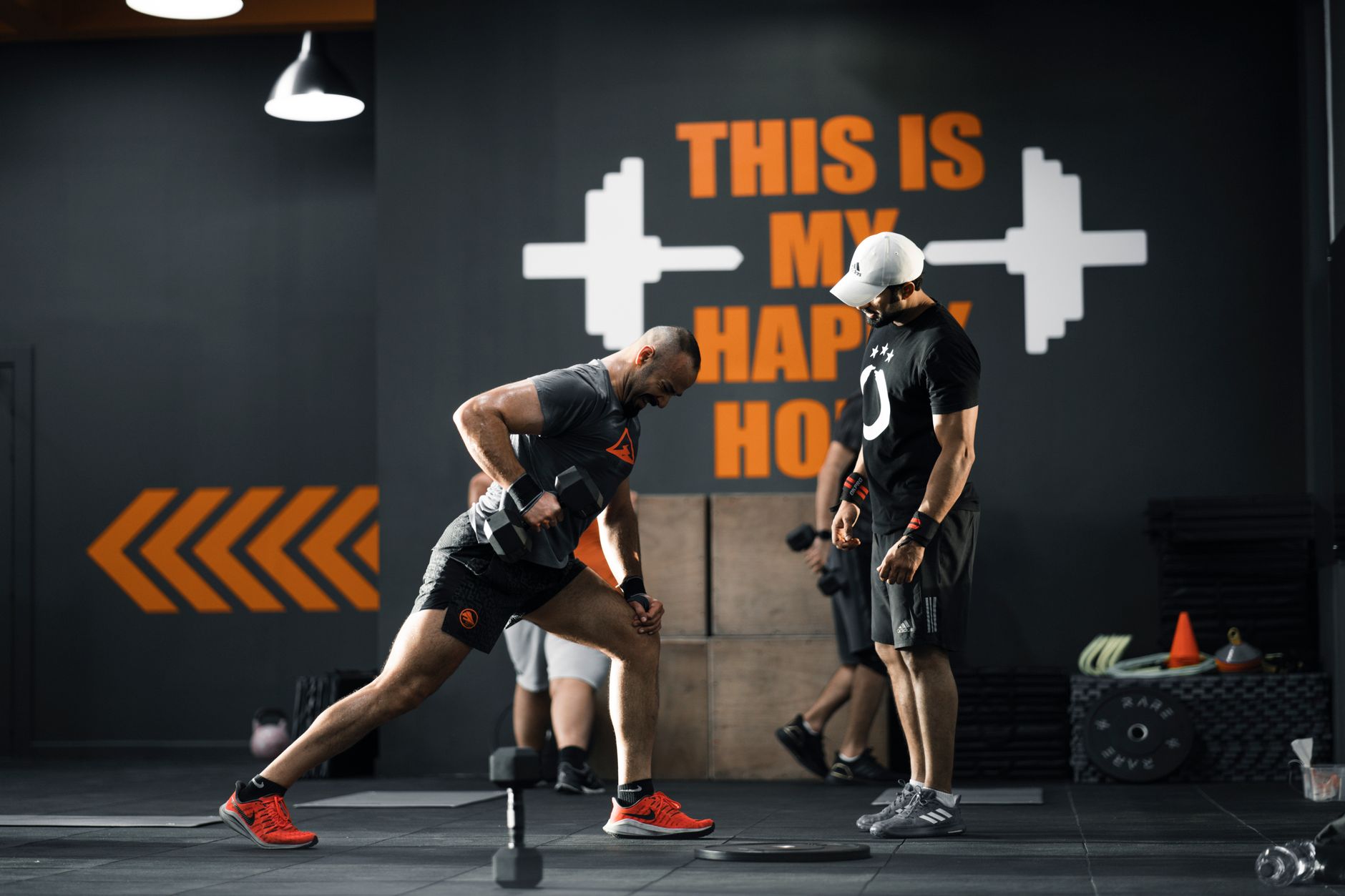
Having access to a wealth of data allows trainers to create programs that are not only personalized but also adaptable. The principles of data-driven training involve understanding how to apply these data points effectively.
Program Design Based on Data
Using collected data, trainers can design training programs that cater to the strengths and weaknesses of their clients. Consider the following strategies:
- Progressive Overload: Use metrics to determine how to gradually increase intensity, volume, or frequency.
- Deload Phases: Identify when to reduce training load based on fatigue data to avoid burnout and injury.
- Goal Setting: Align training goals with measurable data points to ensure clear focus and motivation.
Adapting Programs with Real-Time Feedback
The ability to adapt a training plan in real-time is one of the most powerful advantages of using metrics:
- Immediate Adjustments: If a client consistently underperforms in specific exercises, adjustments can be made swiftly.
- Motivation Through Visualization: Share progress visuals with clients to keep them engaged and motivated.
- Accountability: Regular updates can keep clients accountable to their goals.
Analyzing Training Outcomes with Performance Analytics
Performance analytics encompasses assessing the overall outcome of training programs and measuring success against predefined goals.
Data Collection Methods
- Pre and Post Assessments: Conduct initial assessments for baseline data and follow-ups to gauge progress.
- Feedback Surveys: Regularly ask clients to evaluate their own perceptions of their performance improvements.
- Session Reviews: Document each training session to evaluate effectiveness and areas for improvement.
Evaluating Long-Term Client Success
- Retention Metrics: Measure how long clients stay engaged and the results they achieve to assess long-term satisfaction.
- Referrals: Satisfied clients are more likely to refer others, providing you with invaluable feedback.
Case Studies: Success Stories with Data-Driven Approaches

There are numerous cases where trainers have utilized client progress tracking and data analytics to yield impressive results. Here are a few examples:
Case Study 1: Transforming Body Composition
A trainer worked with a client looking to lose weight. By implementing a comprehensive data tracking system, including body measurements and workout intensity:
- Weight was reduced by 15 pounds over 3 months.
- Body fat percentage decreased by 5%.
- Client reported increased energy and motivation.
Case Study 2: Enhancing Athletic Performance
Another trainer focused on a competitive athlete. Using a mix of performance analytics and data from wearable tech:
- The athlete improved their 5k run time by over a minute.
- Identified optimal recovery times led to fewer injuries.
Best Practices for Personal Trainers
To effectively utilize data, trainers should keep certain best practices in mind:
1. Stay Educated on Tools and Trends
The fitness industry is rapidly evolving. Stay updated with the latest technologies and methodologies in PT measurement and client monitoring.
2. Foster Open Communication
Encourage clients to provide feedback on their experience and share their own perceptions of progress, fostering a collaborative relationship.
3. Celebrate Milestones
- Recognize both small and large achievements to maintain motivation and boost retention.
- Create a reward system based on measurable success.
FAQs Regarding Data and Metrics in Personal Training
What is the best way to track client progress?
The best way to track client progress is through a combination of quantitative data (like weight and reps) and qualitative feedback (like client satisfaction and perceived effort).
How often should progress be assessed?
Regular assessments should occur every 4-6 weeks, but depending on the client's goals, weekly check-ins may be beneficial for immediate adjustments.
Can technology replace personal trainers?
While technology can assist greatly in tracking and analytics, the personalized coaching, motivation, and relationship that trainers provide cannot be fully replaced.
What tools can I use to gather data?
Consider using apps like Trainerize or MyFitnessPal, wearable tech like Fitbit or Apple Watch, and customized client tracking spreadsheets to gather and analyze data effectively.
Conclusion
Implementing fitness metrics tracking into your practice not only enhances the experience for your clients but significantly improves their results. By embracing data-driven training, you empower yourself to create more effective and tailored fitness programs. At ElitePTS, we excel in combining cutting-edge training methodologies with personalized support, helping clients achieve their goals like never before. Join us today to elevate your personal training experience!