



Introduction: The Power of Performance Testing
In the world of personal training, understanding how clients perform is crucial to tailoring effective fitness programs. Fitness performance testing not only provides baseline measurements but also highlights progress over time. Whether you're a seasoned trainer or just starting out, employing the right techniques can maximize your clients' results.
Why Performance Testing Matters


Performance testing for general population fitness clients offers valuable insights. Here’s why it is essential:
- Baseline Data: Establishing a point of reference helps track progress.
- Personalization: Clients have unique fitness levels; testing allows customized programming.
- Accountability: Regular assessments keep clients motivated and accountable.
- Identifying Weaknesses: Spotting areas for improvement leads to better results.
Common PT Assessment Tools
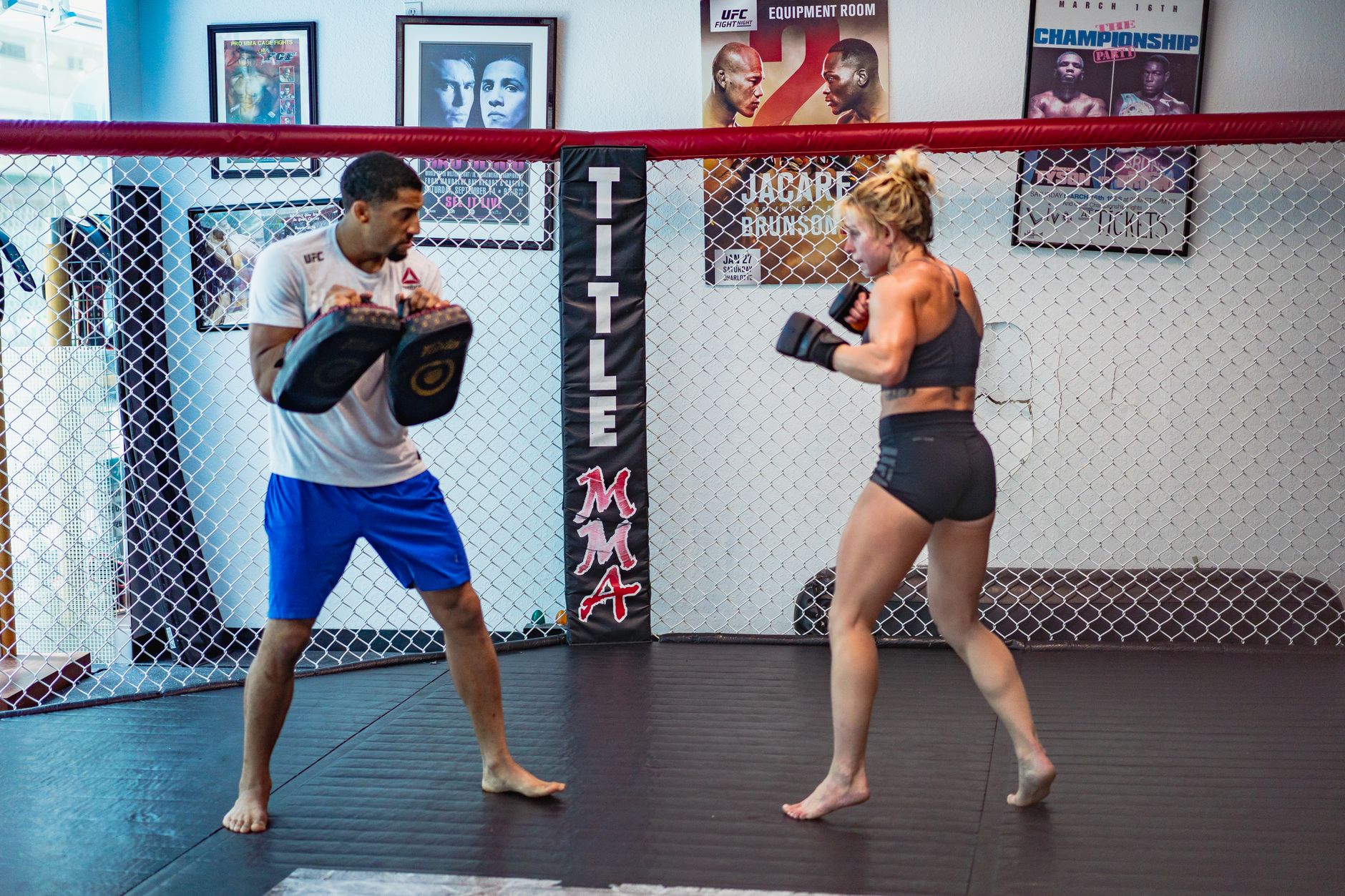
There are several PT assessment tools that personal trainers can utilize to gauge client performance effectively. Here are the most popular ones:
1. Functional Movement Screen (FMS)
The FMS is a widely recognized tool in personal training for assessing movement patterns. It screens seven fundamental movement patterns:
- Deep Squat
- Hurdle Step
- Inline Lunge
- Shoulder Mobility
- Active Straight Leg Raise
- Trunk Stability Push-up
- Rotary Stability
By using the FMS, trainers can identify limitations and asymmetries that may predispose clients to injuries.
2. Cardiovascular Endurance Tests
Measuring cardiovascular health is essential. Common tests include:
- YMCA Submaximal Cycle Test
- 12-Minute Cooper Test
- 1.5 Mile Run Test
These assessments help understand a client’s aerobic capacity and overall cardiovascular fitness.
3. Strength and Power Tests
Evaluating strength and power can be done using:
- 1-RM Testing for various lifts (e.g., bench press, squat)
- Vertical Jump Test
These tests allow trainers to track changes in strength and muscle power.
Implementing Client Fitness Testing
Integrating client fitness testing into your training program effectively is crucial. Here are actionable strategies:
1. Establish Testing Frequency
Testing should occur regularly. Recommended frequencies include:
- Initial Assessment
- Every 6-8 Weeks
- After Major Program Changes
2. Create a Comfortable Environment
To ensure honest results, create a pressure-free environment. Establish rapport and encourage clients to do their best without fear of judgment.
3. Educate Clients
Explain the purpose of each test and how it contributes to their fitness journey. This awareness can bolster their motivation.
Key Metrics to Track

While testing is essential, knowing what to track is equally important:
- Functional Movement Scores: Monitor improvements in FMS results.
- Cardiovascular Endurance: Track distances or times in cardiovascular tests.
- Strength Progression: Log weight increases or improvements in reps over time.
Common Mistakes in Performance Testing
Avoid these pitfalls when conducting performance assessments:
1. Skipping Warm-ups
Always ensure that clients warm up properly before testing to prevent injuries and to enhance performance.
2. Overcomplicating Assessments
Keep assessments simple and focused on essential movements. Too many tests can overwhelm clients and dilute results.
3. Ignoring Lifestyle Factors
Consider factors like sleep, nutrition, and stress, which can significantly affect test outcomes. Discuss these with clients before testing.
Integrating Holistic Health into Performance Testing
Incorporate holistic health measures alongside physical testing:
- Nutrition Tracking: Assess dietary habits to support performance goals.
- Sleep Quality: Discuss sleep patterns and their impact on recovery.
- Mental Well-being: Evaluate stress levels and mental health, crucial for performance.
Frequently Asked Questions
What is the purpose of fitness performance testing?
The primary purpose is to assess an individual's fitness level, pinpoint strengths and weaknesses, and tailor training programs accordingly.
How often should I perform fitness assessments?
Typically, fitness assessments should occur every 6-8 weeks but may vary based on individual goals and program changes.
Can I do performance testing at home?
Some assessments, like bodyweight movements or timed runs, can be done at home with proper guidance. However, more advanced testing usually requires a professional setting.
What if my clients don’t meet their goals?
If clients don’t meet their goals, reassess their training strategy, revisit their nutrition and lifestyle, and provide motivational support to encourage ongoing progress.
Conclusion
Incorporating performance testing into your training regime can significantly enhance your clients' fitness journeys. By understanding their limitations and strengths, you can create personalized training plans that drive results. Explore the range of PT assessment tools available and stay at the forefront of fitness coaching with ElitePTS. Ready to elevate your training methodology? Contact us today!